
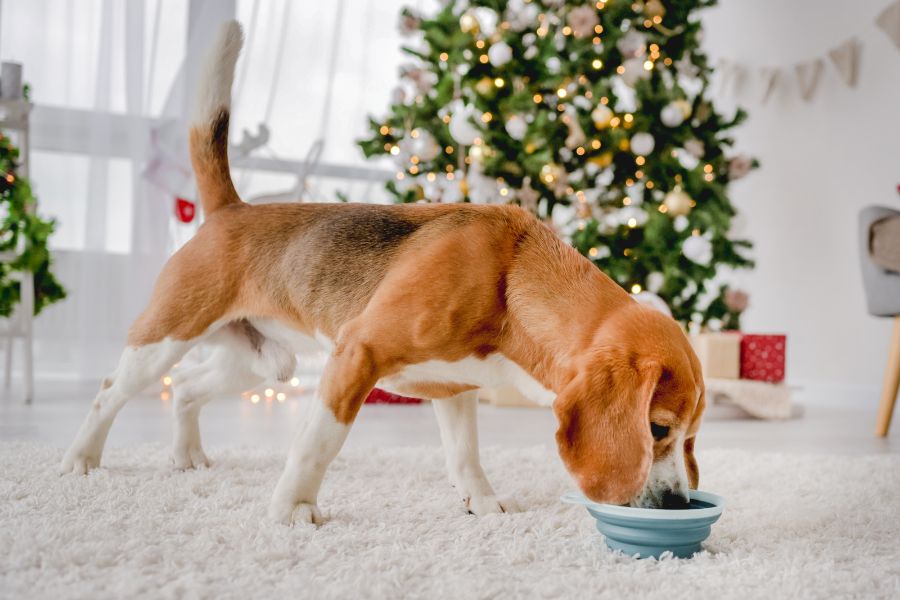
The holidays are filled with festive meals, treats, and family gatherings, but many popular dishes can be dangerous for pets. Understanding toxic holiday foods for pets is essential to keep your dog or cat safe during celebrations. This guide covers common Christmas foods for pets to avoid, warning signs of food poisoning, and practical holiday pet food warnings every owner should know.
Why Holiday Foods Are Risky for Pets
Holiday meals are richer, sweeter, and fattier than everyday food. Pets are naturally curious and often beg for scraps, which increases the risk of accidental poisoning or digestive issues. Even small amounts of certain foods can cause serious problems, including vomiting, pancreatitis, seizures, or organ failure.
During the holidays, emergency veterinary visits often increase due to food-related incidents. Knowing what foods are unsafe is one of the easiest ways to protect your pet.
Toxic Holiday Foods for Pets to Avoid
Some foods are dangerous year-round, but they are especially common during holiday gatherings. Below are the most important toxic holiday foods for pets to keep off the menu.
Chocolate and Cocoa Products
Chocolate contains theobromine and caffeine, both of which are toxic to dogs and cats. Dark chocolate and baking cocoa are especially dangerous. Symptoms may include restlessness, rapid heart rate, tremors, and seizures.
Grapes, Raisins, and Currants
These ingredients are often found in stuffing, desserts, and baked goods. Even small amounts can lead to sudden kidney failure in dogs. Cats are less likely to ingest them, but the risk remains.
Onions, Garlic, and Leeks
These ingredients are common in savory holiday dishes like stuffing, gravies, and roasts. They can damage red blood cells in pets, leading to anemia. Cooked, raw, powdered, or dried forms are all unsafe.
Alcohol and Raw Dough
Alcoholic drinks, desserts, and raw yeast dough can cause dangerous drops in blood sugar, coordination problems, and breathing issues. Raw dough can also expand in the stomach, causing severe bloating.
Xylitol and Artificial Sweeteners
Xylitol is often found in sugar-free desserts, gum, and baked goods. It can cause a rapid insulin release in dogs, leading to low blood sugar and potential liver failure.
Christmas Foods for Pets That Are Surprisingly Dangerous
Some foods seem harmless but can still cause health issues.
- Cooked bones: Can splinter and cause choking or internal injuries
- Fatty meats and skin: May trigger pancreatitis
- Nutmeg and spices: Can cause neurological symptoms
- Macadamia nuts: Lead to weakness, vomiting, and tremors
These Christmas foods for pets should always be avoided, even in small bites.
Holiday Pet Food Warnings for Cat Owners
Cats may be more selective, but they are not immune to holiday food risks. Dairy-based treats can cause digestive upset, and fish or meat seasoned with garlic or onions can be toxic. Tinsel, ribbons, and food wrappers can also be accidentally ingested, leading to intestinal blockages.
Signs Your Pet Ate Something Toxic
If your pet sneaks a forbidden treat, early recognition is critical. Watch for these common symptoms:
- Vomiting or diarrhea
- Excessive drooling
- Lethargy or weakness
- Tremors or seizures
- Loss of appetite
If you notice any of these signs or suspect ingestion of a toxic food, contact a veterinarian near me immediately. Quick action can make a life-saving difference.
Safer Holiday Treat Alternatives for Pets
You do not need to exclude your pet from the festivities. Instead, offer safe alternatives designed for animals.
- Plain cooked turkey without seasoning or skin
- Carrots or green beans in moderation
- Commercial holiday-themed pet treats approved by veterinarians
Always introduce new treats slowly and in small amounts.
How to Prevent Holiday Food Accidents
Prevention is the best approach when it comes to holiday pet food warnings. Simple steps can greatly reduce risk.
- Keep food out of reach on counters and tables
- Remind guests not to feed pets table scraps
- Secure trash cans with lids
- Supervise pets during meals and parties
Planning ensures everyone enjoys the holidays safely.
Conclusion
The holidays should be a joyful time for every family member, including pets. By understanding toxic holiday foods for pets and practicing smart prevention, you can avoid emergencies and focus on making memories. If you are conveniently located in Seminole, FL, and searching for a trusted veterinarian near me for holiday safety advice or urgent care, Oakhurst Veterinary Hospital offers experienced, compassionate support to help protect your pet year-round.
FAQs
Q1: What are the most toxic holiday foods for pets?
Ans: Chocolate, grapes, raisins, onions, garlic, xylitol, and alcohol are among the most dangerous holiday foods for pets.
Q2: Can dogs eat small amounts of Christmas dinner leftovers?
Ans: No, even small portions can cause digestive upset or toxicity due to spices, fat, or hidden ingredients.
Q3: Are cats at risk from holiday foods too?
Ans: Yes, cats can be harmed by seasoned meats, dairy, onions, and certain decorations associated with holiday meals.
Q4: What should I do if my pet eats a toxic food?
Ans: Contact a veterinarian near me or an emergency clinic immediately, and do not induce vomiting unless instructed.
Q5: Are there safe Christmas foods for pets?
Ans: Yes, plain cooked meats and pet-approved treats are safer options when given in moderation.
Related Articles