

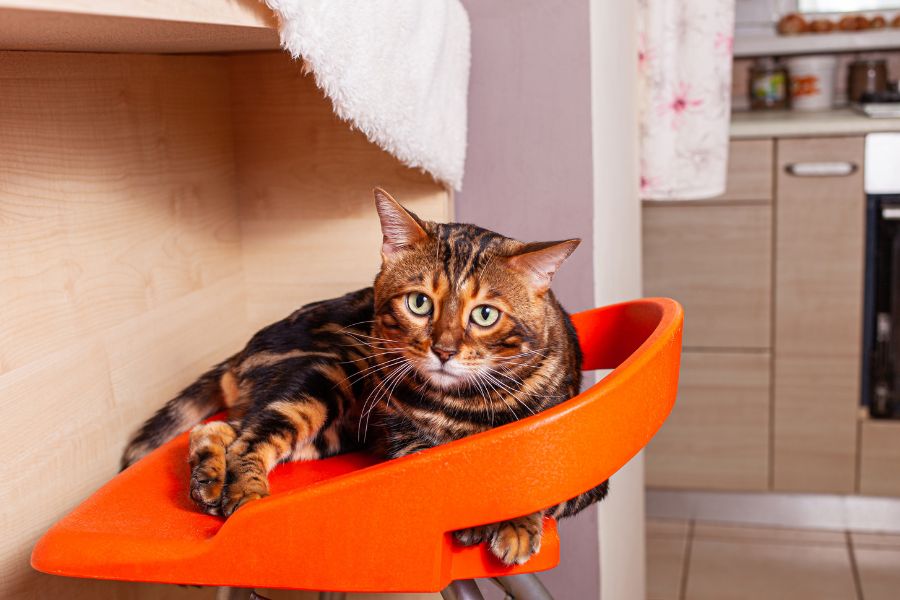
Cats are naturally curious and independent animals. Many love to explore, climb, hunt, and roam. This is because some pet owners believe that letting cats outdoors gives them a happier life. However, research and veterinary experience consistently show that indoor cats live much longer than outdoor cats. While the outdoors may seem exciting, it also exposes cats to serious dangers that can significantly shorten their lifespan. If you are a cat owner in Seminole, FL, understanding these risks can help you make the safest choice for your pet.
Average Lifespan: Indoor vs. Outdoor Cats
The difference in lifespan is significant:
- Indoor cats typically live 12–18 years, and many reach their early 20s.
- Outdoor cats often live only 2–7 years, depending on their environment.
This gap exists because outdoor cats face daily threats that indoor cats simply avoid.
1. Traffic and Road Accidents
One of the biggest dangers to outdoor cats is vehicle traffic. Even in quiet neighborhoods around Seminole, cars pose a serious threat.
Cats may run into the street while chasing prey or exploring. They do not always understand the speed or danger of vehicles. Sadly, car accidents are a leading cause of injury and death in outdoor cats. Indoor cats are fully protected from this risk.
2. Exposure to Infectious Diseases
Outdoor cats frequently come into contact with other cats and wildlife. This increases their risk of contracting serious diseases, including:
- Feline Leukemia Virus (FeLV)
- Feline Immunodeficiency Virus (FIV)
- Rabies
- Upper respiratory infections
- Parasites such as fleas, ticks, and intestinal worms
These illnesses can weaken the immune system and shorten a cat’s life. Even vaccinated cats can still face risks when exposed repeatedly. Regular wellness exams and vaccinations are essential, especially for cats that spend time outdoors.
3. Fights and Traumatic Injuries
Cats are territorial animals. Outdoor cats may fight over space, food, or mating rights. These fights often result in:
- Bite wounds
- Abscesses
- Eye injuries
- Broken bones
Even small puncture wounds can turn into serious infections if not treated quickly. Indoor cats rarely experience these types of injuries because they are not exposed to territorial disputes.
4. Predators and Wildlife in Florida
Florida wildlife presents real dangers to free-roaming cats. Outdoor cats may encounter:
- Coyotes
- Birds of prey
- Snakes
- Raccoons
- Stray dogs
These encounters can lead to severe injury or death. Additionally, wildlife can carry diseases that spread to cats. Keeping cats indoors protects them from unpredictable animal encounters.
5. Exposure to Toxic Substances
Outdoor environments contain many hidden toxins that cats may accidentally ingest, including:
- Lawn pesticides
- Fertilizers
- Antifreeze
- Rodent poison
- Toxic plants
- Contaminated water
Cats groom themselves frequently, if they walk through chemicals or lick contaminated surfaces, they can ingest harmful substances. Indoor living greatly reduces this risk.
6. Risk of Getting Lost or Stolen
Outdoor cats may wander too far from home. They can become trapped in garages, sheds, or construction areas. Some are picked up by animal control, and others are unfortunately stolen. Even microchipped cats are not always returned. Indoor cats avoid the stress and danger of getting lost.
7. Better Weight Management and Nutrition
Outdoor cats may hunt prey or find food from multiple sources. This can lead to:
- Unbalanced diets
- Parasite exposure
- Digestive problems
- Obesity
Indoor cats typically have controlled feeding schedules and balanced nutrition. This allows owners to monitor appetite and detect changes early. Proper nutrition plays a major role in extending lifespan
8. Easier Monitoring of Health Changes
Indoor cats are easier to observe daily. Owners are more likely to notice:
- Changes in appetite
- Increased thirst
- Litter box changes
- Weight loss
- Behavioral differences
Early detection of illness improves treatment success. Routine checkups at a veterinary clinic near you can help catch health concerns before they become serious.
Are Indoor Cats Happy?
Some pet owners worry that indoor cats may become bored or unhappy. However, indoor cats can live very fulfilling lives when their environment is enriched.
Ways to keep indoor cats happy include:
- Cat trees and climbing towers
- Scratching posts
- Interactive toys
- Puzzle feeders
- Window perches
- Scheduled playtime
Mental stimulation is key; when properly enriched, indoor cats are both safe and satisfied.
Safe Alternatives to Free Roaming
If you want your cat to experience fresh air safely, consider these options:
Catio Enclosures
A secure outdoor enclosure allows your cat to enjoy sunshine without exposure to traffic or predators.
Harness Training
Some cats can be trained to walk on a harness under supervision.
Screened Patios
A secure patio area provides safe outdoor viewing.
These alternatives give cats stimulation without the high risks of roaming freely.
Do Indoor Cats Still Need Veterinary Care?
Absolutely, indoor cats still require:
- Annual wellness exams
- Vaccinations
- Dental care
- Parasite prevention
- Senior health screenings
Common health problems in indoor cats include:
- Dental disease
- Obesity
- Diabetes
- Kidney disease
- Hyperthyroidism
The Role of Preventive Care in Longevity
Preventive care is one of the biggest factors in extending a cat’s life. Regular exams allow early diagnosis of diseases that may not show obvious symptoms. If you’ve been looking for a reliable veterinary clinic, scheduling routine visits can make a lasting difference in your cat’s lifespan.
Indoor cats live longer because they face fewer daily dangers. They are protected from traffic accidents, infectious diseases, wildlife, toxins, and territorial fights. With proper enrichment, balanced nutrition, and routine veterinary care, indoor cats can live long, happy lives well into their senior years. If you are searching for a trusted “veterinarian near me”, Oakhurst Veterinary Hospital in Seminole, FL, provides preventive care to help cats live long, healthy lives. If you want to give your cat the safest future possible, consider transitioning to indoor living and maintaining regular checkups with a trusted veterinary provider by scheduling routine appointments.
FAQs
1. How much longer do indoor cats live?
Ans: Indoor cats often live 12–18 years or more, while outdoor cats typically live 2–7 years due to environmental risks.
2. Is it cruel to keep my cat indoors?
Ans: No, indoor cats can live happy lives with proper enrichment, toys, climbing areas, and daily interaction.
3. Can indoor cats still get sick?
Ans: Yes, indoor cats can develop chronic conditions like kidney disease or diabetes. Regular vet visits are important for early detection.
4. What are the biggest dangers for outdoor cats?
Ans: Traffic accidents, infectious diseases, wildlife predators, toxins, and injuries from fights are the main threats.
5. How can I safely give my cat outdoor time?
Ans: Options include catios, screened patios, or supervised harness walks.
6. How often should my indoor cat see a veterinarian?
Ans: Most indoor cats should have a wellness exam once a year. Senior cats may need visits every six months.
Related Articles