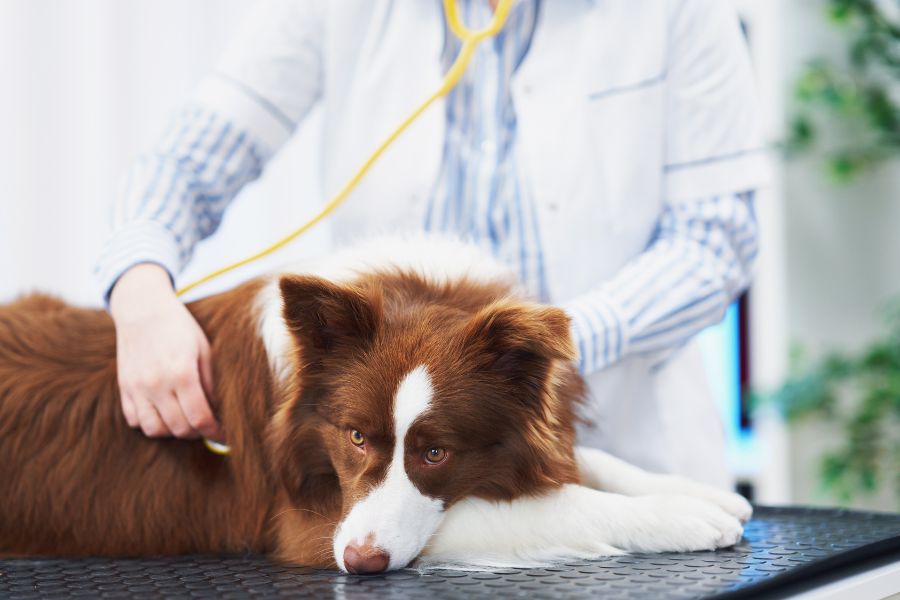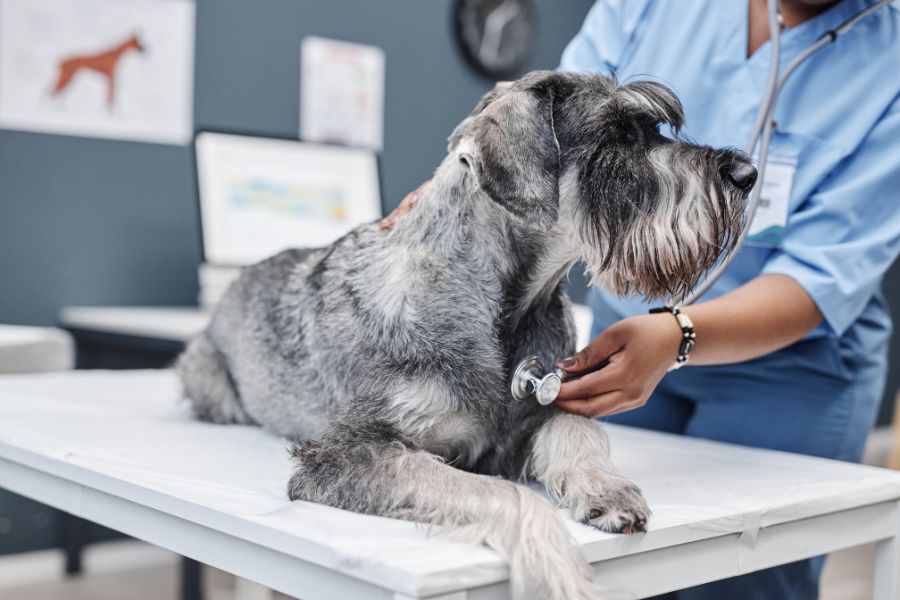

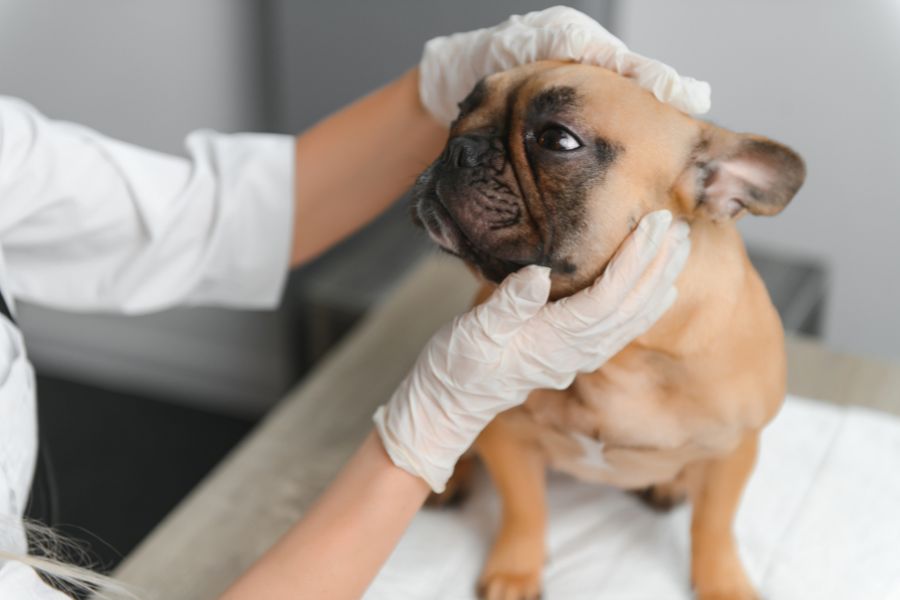
Kennel Cough is a highly contagious respiratory condition that affects dogs of all ages, especially those in social environments like boarding facilities or dog parks. Recognizing early symptoms and understanding whether it can spread to humans is essential for every pet owner. In this guide, we’ll break down the signs of kennel cough, how it spreads, treatment options, and when to seek veterinary care.
What Is Kennel Cough?
Kennel Cough is a common term used to describe a group of infectious respiratory diseases in dogs, also known as canine infectious tracheobronchitis. It is caused by a combination of viruses and bacteria, with Bordetella bronchiseptica being the most common culprit.
This condition spreads quickly in places where dogs gather, such as:
- Boarding kennels
- Dog daycare centers
- Grooming salons
- Dog parks
Because it spreads through airborne droplets, even brief contact with an infected dog can transmit the illness.
Common Symptoms of Kennel Cough
One of the most recognizable signs of Kennel Cough is a persistent, dry cough that often sounds like a honking goose. However, symptoms can vary depending on the severity of the infection.
Key symptoms include:
- Dry, hacking cough
- Gagging or retching after coughing
- Runny nose
- Sneezing
- Mild fever
- Lethargy
In mild cases, dogs may still appear active and eat normally. However, more severe infections can lead to complications like pneumonia, especially in puppies, senior dogs, or pets with weakened immune systems.
How Contagious Is Kennel Cough?
Kennel Cough is extremely contagious. It spreads through:
- Airborne droplets from coughing or sneezing
- Direct contact with infected dogs
- Contaminated surfaces like water bowls or toys
Dogs can become infected within a few days of exposure. Symptoms usually appear within 3 to 10 days.
Important tip:
If your dog shows symptoms, isolate them from other pets immediately to prevent the spread.
Can Humans Get Kennel Cough?
One of the most common concerns pet owners have is whether Kennel Cough can affect humans.
The short answer:
It is very rare, but possible under certain conditions.
The bacteria Bordetella bronchiseptica can occasionally infect humans, especially those with weakened immune systems, such as:
- Elderly individuals
- People undergoing chemotherapy
- Individuals with chronic respiratory diseases
For healthy adults and children, the risk is extremely low. Still, practicing good hygiene is important:
- Wash your hands after handling your dog
- Avoid close face contact if your dog is sick
- Clean shared surfaces regularly
Diagnosis and Veterinary Treatment
If you suspect your dog has Kennel Cough, a veterinarian will typically diagnose it based on symptoms and recent exposure history.
Treatment options may include:
- Cough suppressants to reduce irritation
- Antibiotics if a bacterial infection is confirmed
- Anti-inflammatory medications
- Rest and hydration
Most mild cases resolve within 1 to 3 weeks. However, it is important to follow your vet’s advice to prevent complications.
Home Care Tips for Dogs with Kennel Cough
While veterinary guidance is essential, supportive care at home can help your dog recover faster.
Helpful home care practices:
- Keep your dog in a warm, stress-free environment
- Use a humidifier to ease breathing
- Avoid collars; use a harness instead to reduce throat irritation
- Ensure access to fresh water at all times
Avoid exposing your dog to smoke, dust, or cold air, as these can worsen symptoms.
Prevention: How to Protect Your Dog
Preventing Kennel Cough is easier than treating it. Vaccination is one of the most effective ways to reduce the risk.
Preventive measures include:
- Bordetella vaccination (intranasal or injectable)
- Avoiding crowded dog areas during outbreaks
- Keeping your dog’s immune system strong with proper nutrition
- Regular veterinary checkups
While vaccines do not guarantee complete immunity, they significantly reduce the severity of symptoms.
When Should You See a Vet?
Although Kennel Cough is often mild, some cases require immediate veterinary attention.
Contact your vet if your dog has:
- Persistent cough lasting more than 7 days
- Difficulty breathing
- Loss of appetite
- High fever
- Nasal discharge with pus
Early intervention can prevent the condition from worsening into serious respiratory issues
Kennel Cough is a common but manageable condition when caught early. By recognizing symptoms, taking preventive measures, and seeking timely veterinary care, you can ensure your dog recovers quickly and stays healthy.
If your dog is showing signs of illness, don’t wait. Contact Oakhurst Veterinary Hospital in Seminole, FL, today to schedule an exam and get expert care tailored to your pet’s needs.
FAQs:
Q1: How long does kennel cough last in dogs?
Ans: Most cases of kennel cough resolve within 1 to 3 weeks, depending on severity and treatment.
Q2: Is kennel cough dangerous for puppies?
Ans: Yes, puppies are more vulnerable and can develop serious complications like pneumonia if untreated.
Q3: Can vaccinated dogs still get kennel cough?
Ans: Yes, but symptoms are usually milder and recovery is faster.
Q4: Should I walk my dog if it has kennel cough?
Ans: Avoid walks in public areas to prevent spreading the infection to other dogs.
Q5: What triggers kennel cough symptoms?
Ans: Exposure to infected dogs, stress, and weak immunity are common triggers.