
Parvovirus is one of the most dangerous viral infections affecting pets, especially puppies and unvaccinated dogs. It spreads quickly, survives in the environment for months, and can become life-threatening without fast treatment. In this guide, you’ll learn how parvovirus spreads, the warning signs to watch for, and the best ways to protect your pet from infection.
What Is Parvovirus
Parvovirus, often called canine parvo, is a highly contagious virus that mainly affects dogs. It attacks rapidly dividing cells in the body, especially in the intestines and bone marrow. This leads to severe vomiting, diarrhea, dehydration, and a weakened immune system.
Parvo is most common in puppies between 6 weeks and 6 months old, but any unvaccinated dog can become infected.
Why Parvovirus Is So Serious
Parvovirus can cause:
- Severe bloody diarrhea
- Repeated vomiting
- Rapid dehydration
- Weakness and lethargy
- Weight loss
- Secondary infections
- Death if untreated
Immediate veterinary care greatly improves survival chances.
How Parvovirus Spreads
Understanding how parvovirus spreads is the first step in preventing it. The virus is shed through the feces of infected dogs and can spread in several ways.
Direct Contact With Infected Dogs
Dogs can catch parvo by sniffing, licking, or interacting with an infected dog. Even a brief encounter can spread the virus.
Contact With Contaminated Surfaces
Parvovirus is extremely hardy and can survive on:
- Food bowls
- Leashes
- Kennels
- Floors
- Grass
- Sidewalks
- Bedding
- Human shoes and clothing
This means your dog does not need to meet a sick dog directly to become infected.
Shared Public Spaces
Dog parks, sidewalks, pet stores, boarding facilities, and apartment dog areas can all be sources of exposure if sanitation is poor.
Which Pets Are Most at Risk
Some pets are more vulnerable to parvovirus than others.
Puppies
Young puppies have immature immune systems and may not be fully vaccinated yet.
Unvaccinated Dogs
Dogs that missed vaccines or boosters face the highest risk.
Recently Adopted Pets
Shelter dogs or rescue puppies may have unknown vaccine histories and exposure risks.
Certain Breeds
Some breeds, such as Rottweilers, Doberman Pinschers, and Labrador Retrievers, may have a higher risk of severe illness.
Signs of Parvovirus in Pets
Recognizing symptoms early can save your pet’s life. Contact a veterinarian right away if you notice:
- Vomiting
- Severe diarrhea, often bloody
- Loss of appetite
- Fever
- Extreme tiredness
- Belly pain
- Rapid weight loss
- Dehydration
Symptoms can worsen quickly, sometimes within hours.
How Parvovirus Is Diagnosed
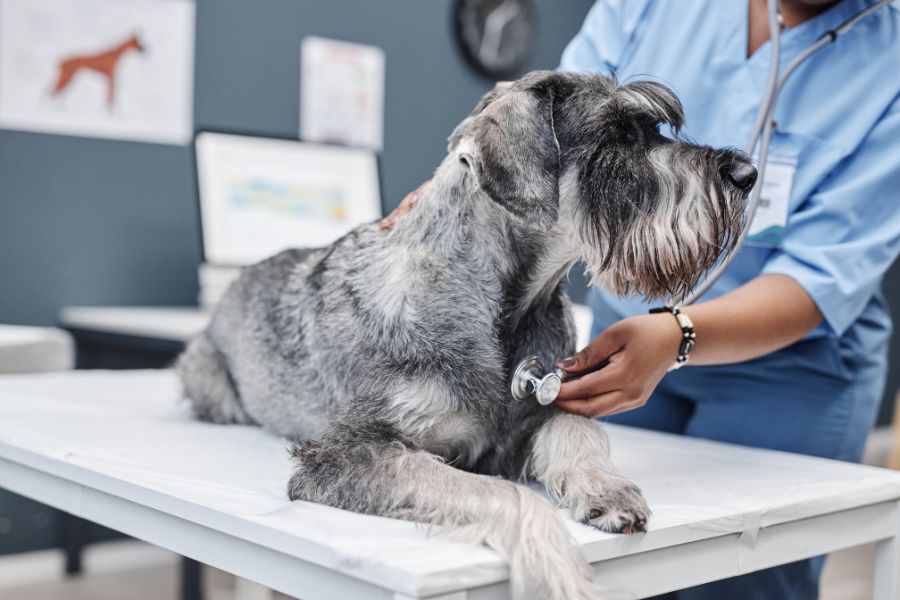
Veterinarians usually diagnose parvovirus through:
- Physical examination
- Fecal testing
- Blood work
- Hydration assessment
- Medical history review
Quick testing helps begin treatment faster, which improves outcomes.
How Parvovirus Is Treated
There is no direct cure that kills parvovirus, so treatment focuses on supporting the body while the immune system fights the virus.
Common Treatments Include:
- IV fluids for dehydration
- Anti-nausea medication
- Antibiotics for secondary infections
- Nutritional support
- Pain management
- Hospital monitoring
Many pets need hospitalization for several days.
How to Stop Parvovirus From Spreading
Preventing parvovirus is far easier than treating it. Here are the best ways to stop the spread.
Keep Vaccinations Current
Vaccination is the most effective defense against parvo.
Typical puppy vaccine schedule includes:
- First vaccine at 6 to 8 weeks
- Boosters every 3 to 4 weeks until about 16 weeks
- Adult boosters as recommended by your veterinarian
Avoid High-Risk Areas for Puppies
Until vaccinations are complete, avoid:
- Dog parks
- Public potty areas
- Pet store floors
- Shared dog spaces
Carry puppies when visiting public areas if needed.
Clean and Disinfect Properly
Parvovirus resists many household cleaners. Veterinary-approved disinfectants or diluted bleach solutions are often needed on hard surfaces.
Isolate Sick Pets
If one pet is infected:
- Separate them from other pets
- Use separate bowls and bedding
- Wash your hands after handling
- Clean waste immediately
Wash Shoes and Hands
The virus can travel indoors on shoes, clothing, and hands. Good hygiene lowers risk.
Can Cats Get Parvovirus
Cats can be affected by a related virus called feline panleukopenia, sometimes referred to as feline parvo. It is different from canine parvovirus but equally serious. Cats also need proper vaccination protection.
Recovery and Long-Term Outlook
Many pets recover from parvovirus when treated early and aggressively. Recovery depends on:
- Age of the pet
- Speed of treatment
- Severity of symptoms
- Overall health status
Pets that survive usually return to normal lives with proper follow-up care.
When to Call a Veterinarian
Do not wait if your puppy or dog has vomiting and diarrhea, especially if they are unvaccinated. Parvo can progress fast, and delays can become dangerous.
Emergency care is especially important if your pet:
- Cannot keep water down
- Seems weak or collapsed
- Has bloody stool
- Stops eating entirely
Parvovirus is a fast-moving, highly contagious disease, but it is also highly preventable with vaccines, sanitation, and quick medical attention. Knowing how it spreads helps you keep your pet safe and healthy. If you are residing in Seminole or surrounding areas, such as Largo, St. Petersburg, Redington Beach, or Clearwater, and you are experiencing symptoms or need vaccine guidance, schedule an appointment today with Oakhurst Veterinary Hospital in Seminole, FL.
FAQs
Q1: How long can parvovirus live in the environment?
Ans: Parvovirus can survive for months in soil or on surfaces, especially in shaded outdoor areas.
Q2: Can vaccinated dogs get parvovirus?
Ans: Vaccinated dogs have a much lower risk, but no vaccine is 100% guaranteed. Illness is usually milder if it occurs.
Q3: How do indoor dogs get parvovirus?
Ans: The virus can be carried inside on shoes, clothing, hands, or contaminated objects.
Q4: What is the first sign of parvovirus in dogs?
Ans: Early signs often include tiredness, loss of appetite, vomiting, and diarrhea.
Q5: Can parvovirus be cured at home?
Ans: No, parvovirus requires prompt veterinary treatment due to dehydration and serious complications.