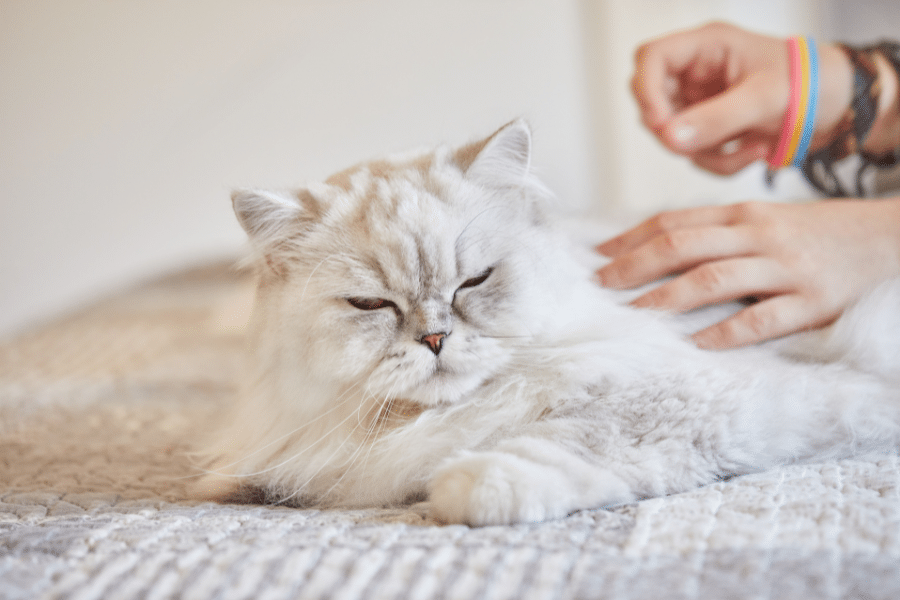

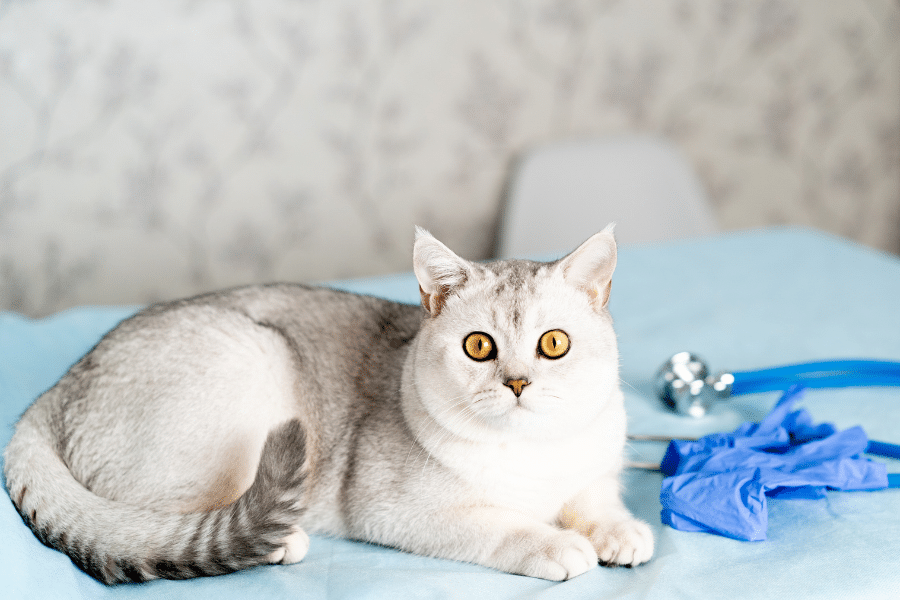
When your cat suddenly walks away from the food bowl or ignores the water dish, it can be easy to think they are simply being picky. Cats, however, often hide signs of illness, and a noticeable change in eating or drinking habits deserves attention. A cat not eating or drinking may be dealing with dental pain, stomach upset, stress, an underlying illness, or another problem that needs veterinary care. At Oakhurst Veterinary Hospital in Seminole, FL, understanding these changes can help pet owners know when to monitor a cat and when to seek help. This guide explains common causes, warning signs, what a veterinarian may check, and when urgent care is needed.
Why Is My Cat Not Eating or Drinking?
A cat may stop eating or drinking because of stress, pain, nausea, dental problems, digestive upset, or an underlying medical condition. If the change lasts, becomes severe, or occurs with other symptoms, your cat should be evaluated by a veterinarian.
Cats can be particularly sensitive to changes in their environment. Moving furniture, traveling, introducing another pet, changing food, or other disruptions may affect appetite. Still, illness should not be ruled out simply because your cat seems otherwise calm.
Common reasons include:
- Dental or mouth pain
- Nausea or stomach upset
- Stress or anxiety
- Changes in food or feeding routine
- Fever or infection
- Kidney or liver problems
- Digestive problems
- Pain elsewhere in the body
- A swallowed object or intestinal blockage
- Other underlying medical conditions
Because many different conditions can cause the same symptom, your veterinarian may need to examine your cat and perform testing to find the cause.
What Health Problems Can Cause a Cat to Stop Eating?
Loss of appetite can be associated with many health problems. Dental disease is one possibility, especially if your cat approaches food but seems unable to chew comfortably.
Digestive problems can also cause appetite changes. A cat with nausea, vomiting, constipation, or diarrhea may temporarily lose interest in food.
Other possible causes include:
- Kidney problems
- Liver problems
- Pancreatic conditions
- Intestinal disease
- Pain or injury
- Respiratory illness
- Urinary problems
- Medication side effects
Your cat’s age and medical history also matter. A young cat that suddenly stops eating may have different concerns from a senior cat with a gradual decline in appetite. A cat that has eaten very little for an extended period should not simply be left to wait it out. Cats can develop serious complications when they go without food, especially if they are overweight or already dealing with another illness.
What Signs Should I Watch For?
The reason behind a cat’s loss of appetite may not be obvious at first. Watch for other changes that can help your veterinarian understand what is happening.
Look for:
- Vomiting or diarrhea
- Drooling or bad breath
- Difficulty chewing
- Pawing at the mouth
- Hiding more than usual
- Weakness or unusual sleepiness
- Weight loss
- Changes in drinking
- Changes in urination
- Straining in the litter box
- Trouble breathing
- A painful or swollen abdomen
Some cats become quieter when they feel sick rather than showing obvious distress. A cat that suddenly stops greeting you, playing, grooming, or using the litter box normally may be communicating that something is wrong. Pay attention to how much food your cat actually eats. Sniffing the bowl or taking one or two bites is different from eating a normal meal.
Why Is My Cat Not Drinking Water?
Cats naturally have a lower thirst drive than many dogs, especially when they eat moisture-rich food. However, a sudden and significant decrease in water intake can become concerning, particularly when your cat is also refusing food.
Dehydration may cause:
- Dry or tacky gums
- Weakness
- Reduced activity
- Sunken-looking eyes
- Less frequent urination
It can be difficult to judge dehydration accurately at home. Your veterinarian can assess your cat’s hydration status during an examination.
If your cat refuses both food and water, do not assume they will start drinking once they become hungry. Contact your veterinarian for guidance, especially if the change continues or your cat has other symptoms.
How Does a Vet Find Out Why a Cat Is Not Eating?
A veterinarian will first ask about your cat’s appetite, water intake, behavior, litter box habits, diet, medications, and recent changes at home. A physical examination can then provide clues about pain, dehydration, dental problems, abdominal discomfort, or other concerns.
Depending on the findings, your veterinarian may recommend:
- Physical examination: Your cat is checked from head to tail, including the mouth, abdomen, heart, lungs, and overall condition.
- Blood testing: Bloodwork can provide information about organs, blood cells, hydration-related changes, and other health concerns.
- Urine testing: A urine sample can provide useful information about the urinary system and other aspects of health.
- Imaging or additional testing: X-rays, ultrasound, or other tests may be recommended when the initial examination suggests a specific concern.
For example, a hypothetical adult cat may stop eating for two days and begin hiding under the bed. During the examination, the veterinarian notices mouth discomfort and recommends a closer dental evaluation. Identifying the source of the pain allows a treatment plan to be created instead of simply trying to make the cat eat.
The testing approach depends on your cat’s symptoms and examination findings.
What Can I Do at Home If My Cat Won’t Eat?
While arranging veterinary advice, keep your cat comfortable and make food and water easy to access. Offer the food your cat normally accepts rather than making several sudden diet changes.
You can also:
- Keep food and water bowls in a quiet location
- Make sure fresh water is available
- Monitor litter box use
- Record how much food your cat actually eats
- Watch for vomiting or diarrhea
- Keep track of behavior and energy
- Note when the appetite change started
Do not force food or water into your cat’s mouth unless your veterinarian specifically instructs you to do so. There is a risk of food or liquid entering the airway.
Avoid giving human medications or appetite stimulants without veterinary guidance. The safest treatment depends on why your cat has stopped eating or drinking.
When Does a Cat Not Eating or Drinking Require Urgent Care?
A cat that refuses food or water along with significant symptoms may need urgent veterinary care. The urgency increases when your cat appears weak, painful, dehydrated, or unable to perform normal activities.
Seek urgent veterinary attention if your cat has:
- Repeated vomiting
- Severe or bloody diarrhea
- Difficulty breathing
- Collapse or extreme weakness
- Significant dehydration
- Severe abdominal pain or swelling
- Blood in the urine
- Repeated straining in the litter box
- Little or no urine production
- Suspected poisoning
- A suspected swallowed object
- Severe or rapidly worsening symptoms
Urinary problems deserve particular attention. If your cat repeatedly visits the litter box, strains, cries, or produces little to no urine, do not wait for the problem to resolve on its own. A cat that is not eating and is becoming increasingly quiet or weak should also be evaluated promptly. Cats can become seriously ill without showing dramatic symptoms at first.
How Long Can a Cat Go Without Eating?
There is no single safe waiting period for every cat. The reason for the appetite loss, your cat’s age, weight, health history, and other symptoms all affect how quickly veterinary care is needed.
A cat that skips one meal but quickly returns to normal may be less concerning than a cat that continues refusing food. However, ongoing appetite loss should not be ignored.
This is especially important for overweight cats. When a cat stops eating, the body begins using stored fat for energy, and this can contribute to a serious liver condition called hepatic lipidosis, or fatty liver disease.
Contact your veterinarian when your cat is refusing food rather than waiting several days to see what happens.
How Can I Help Prevent Appetite and Drinking Problems?
You cannot prevent every condition that causes appetite loss, but you can make changes that help you notice problems earlier.
Keep your cat’s routine as consistent as possible and provide fresh water every day. Monitor food intake, litter box habits, weight, grooming, and normal behavior.
Regular veterinary examinations are also useful because cats can hide early signs of illness. Your veterinarian can identify changes that may not be obvious during daily life and recommend appropriate testing when needed.
Knowing your cat’s normal habits is one of the most useful things you can do. If your cat normally finishes breakfast but suddenly refuses it, that change is worth noticing.
Conclusion
A cat not eating or drinking should never be dismissed as simple fussiness when the change continues or comes with other symptoms. Dental pain, nausea, digestive problems, kidney or liver concerns, stress, and other conditions can all affect appetite and water intake. Watch your cat closely for vomiting, weakness, dehydration, urinary changes, pain, or unusual behavior, and seek prompt care when serious symptoms appear. If your cat’s eating or drinking habits have changed, call us 727-391-9784 at or schedule an appointment with Oakhurst Veterinary Hospital in Seminole, FL can help determine what may be causing the problem and whether your cat needs urgent care. Acting early can give your cat a better chance of receiving the right treatment before the condition worsens.
FAQs
Q1: Why is my cat not eating but still drinking water?
A: A cat may continue drinking while refusing food because of dental pain, nausea, stress, digestive problems, or another illness. If the appetite loss continues or other symptoms develop, contact your veterinarian.
Q2: How long can a cat go without eating before it becomes dangerous?
A: Cats should not go without food for an extended period, particularly overweight cats or cats with existing health problems. Contact a veterinarian if your cat continues refusing food rather than waiting several days.
Q3: What can I give my cat when it refuses to eat?
A: Offer familiar food in a quiet, comfortable setting and make sure fresh water is available. Do not force-feed your cat or give medications without veterinary guidance.
Q4: How does a vet treat a cat that is not eating or drinking?
A: Treatment depends on the underlying cause. Your veterinarian may provide supportive care, treat pain or nausea, address dental or digestive problems, or recommend additional testing based on the examination.
Q5: When should I take my cat to the vet for not eating or drinking?
A: Seek prompt veterinary care if your cat refuses food and water, becomes weak or very quiet, repeatedly vomits, has trouble breathing, shows signs of severe pain, or has difficulty urinating. Rapidly worsening symptoms should also be evaluated without delay.