
Keeping your pet’s teeth clean is one of the best ways to prevent dental disease and bad breath. In this simple guide, you’ll learn how to clean your pet’s teeth at home, including what tools to use, how to make it a positive experience, and when professional help is needed. Whether you’re looking for cat teeth cleaning at home tips or easy steps for your dog’s teeth cleaning at home, this guide covers everything you need to know for better oral health and fresher breath.
Why Cleaning Your Pet’s Teeth at Home Matters
Dental health is essential for your pet’s overall well-being. Just like humans, dogs and cats can develop plaque, tartar, and gum disease if their teeth are neglected. Poor oral hygiene can lead to:
- Painful infections and tooth loss
- Bad breath and drooling
- Difficulty eating
- Systemic health issues like heart or kidney disease
Regular brushing and home dental care reduce the need for costly cleanings and help your pet stay healthy and happy longer.
What You Need for DIY Pet Dental Care
Before you start, gather these essential items to make DIY pet dental care safe and effective:
- Pet-safe toothbrush: Use a soft-bristled brush or a finger brush designed for dogs or cats.
- Pet toothpaste: Never use human toothpaste. Choose one with pet-friendly flavors like poultry or beef.
- Dental wipes or pads: Ideal for pets that resist brushing.
- Dental chews and water additives: Help reduce plaque between brushings.
Step-by-Step Guide to Clean Pet Teeth at Home
Step 1: Create a Calm Environment
Pick a quiet space with minimal distractions. Sit or kneel beside your pet, allowing them to relax before starting.
Step 2: Let Them Smell and Taste the Toothpaste
Before brushing, let your pet lick the toothpaste off your finger. This helps them get used to the flavor and texture.
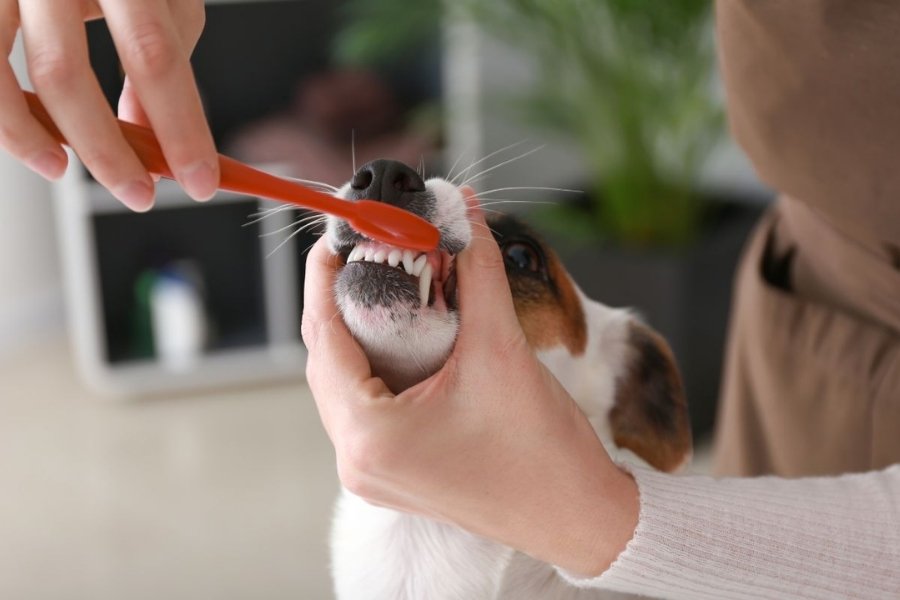
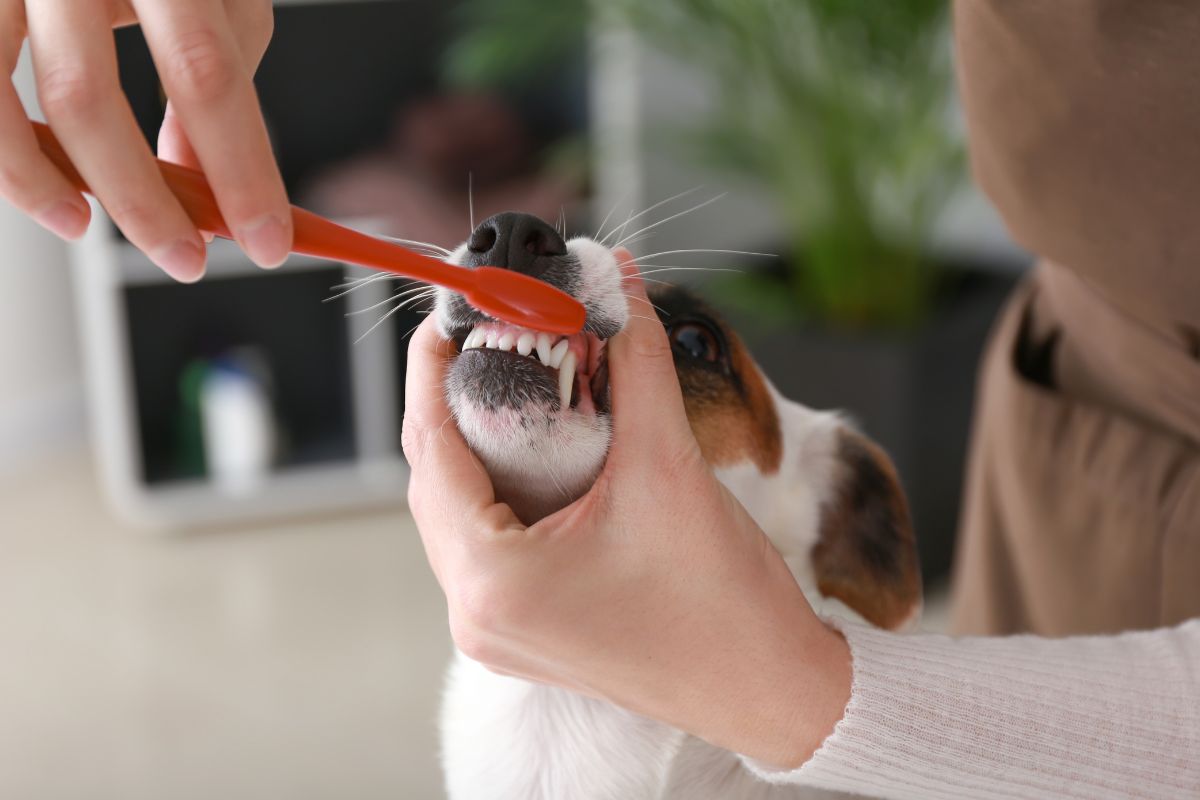
Step 3: Gently Lift the Lips and Start Brushing
- Use circular motions to brush the outer surfaces of the teeth.
- Focus on the back molars, where plaque builds up fastest.
- Brush for 30–60 seconds on each side.
If your pet resists, start with short sessions and gradually increase the time.
Step 4: Reward and Reinforce Positive Behavior
End each session with praise or a small treat to make the experience enjoyable. Over time, your pet will associate brushing with positive attention.
Tips for Cat Teeth Cleaning at Home
Cats can be a bit more challenging when it comes to dental care. Here are some helpful tricks for cat teeth cleaning at home:
- Start slow — let your cat get used to the toothbrush by rubbing it along their gums without toothpaste first.
- Use gauze wrapped around your finger for gentle cleaning if they dislike brushes.
- Keep sessions short (under 1 minute).
- Reward them with affection or a favorite toy afterward.
Even if you only manage a few teeth at first, consistency is key to success.
Dog’s Teeth Cleaning at Home: Easy Techniques That Work
Most dogs adapt well to brushing when introduced gradually. Follow these extra tips for dog’s teeth cleaning at home:
- Use an enzymatic toothpaste that helps break down plaque.
- Incorporate dental chews approved by the Veterinary Oral Health Council (VOHC).
- For small breeds prone to dental issues, aim to brush daily.
- Introduce chew toys that help massage gums and scrape away plaque.
These steps not only maintain oral hygiene but also prevent bad breath — a common complaint among dog owners.
Dog Bad Breath Home Remedies You Can Try
If your dog’s breath is less than pleasant, try these dog bad breath home remedies:
- Fresh water daily: Prevents bacteria buildup.
- Parsley or mint leaves: Natural breath fresheners (in small amounts).
- Coconut oil: A teaspoon can help combat odor-causing bacteria.
- Dental treats: Choose ones designed to reduce tartar and improve breath.
Persistent bad breath may indicate dental disease, so consult a pet dentist in Seminole, FL if it doesn’t improve.
When to See a Professional Pet Dentist
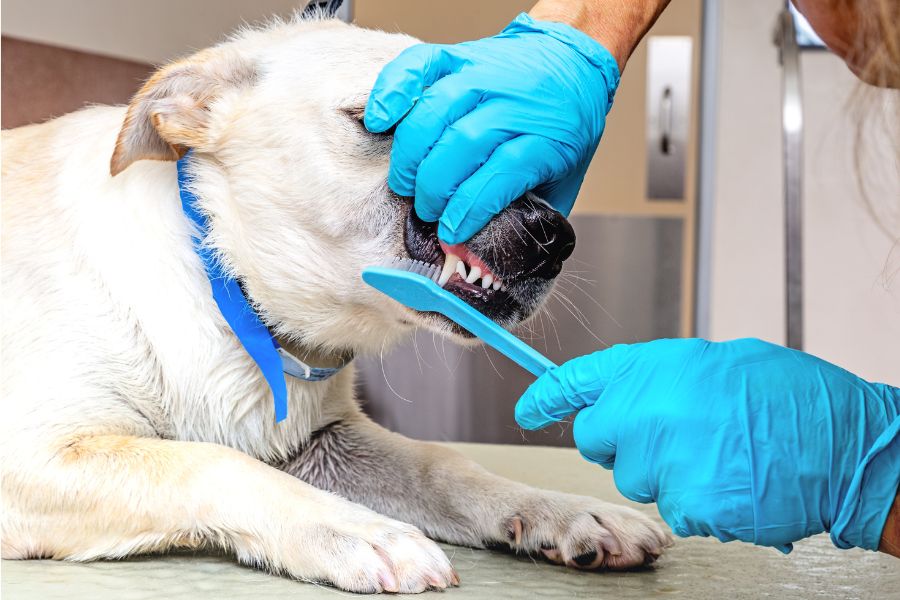
Even with consistent pet dental care at home, some pets still need professional cleanings. Contact your veterinarian if you notice:
- Red, swollen, or bleeding gums
- Yellow or brown tartar buildup
- Loose or missing teeth
- Persistent bad breath
- Drooling or pawing at the mouth
A pet dentist can perform thorough cleanings, remove plaque below the gumline, and identify issues before they become serious.
Maintaining a Long-Term Pet Dental Care Routine
Consistency is the secret to success. To keep your pet’s mouth healthy:
- Brush their teeth 3–4 times a week (daily for best results).
- Schedule yearly dental exams.
- Provide dental chews and a healthy diet.
- Stay alert to changes in breath, eating habits, or behavior.
A well-maintained mouth means fewer vet visits, less discomfort, and a happier, healthier pet overall.
Caring for your pet’s teeth doesn’t have to be difficult — with the right tools and a patient approach, you can protect their smile and overall health. If you are searching for the best pet dentist, Oakhurst Veterinary Hospital is the right choice for compassionate, advanced, and reliable pet care.
FAQs
Q1: How often should I clean my pet’s teeth at home?
Ans: Ideally, you should brush your pet’s teeth daily. However, even 3–4 times a week can significantly reduce plaque buildup.
Q2: What is the best toothbrush for dogs or cats?
Ans: Use a soft-bristled toothbrush or finger brush specifically designed for pets to avoid gum irritation.
Q3: Can I use baking soda to clean my dog’s teeth?
Ans: No. Baking soda and human toothpaste can be harmful to pets. Always use pet-safe toothpaste.
Q4: How do I stop my dog’s bad breath naturally?
Ans: Provide fresh water daily, brush their teeth regularly, and use dental chews or small amounts of parsley for fresher breath.
Q5: When should my pet see a dentist?
Ans: Schedule a dental check-up at least once a year or sooner if you notice bleeding gums, tartar buildup, or bad breath.