

Feeding your exotic pet correctly is crucial for their health and longevity. This exotic pet nutrition guide provides essential tips for birds, reptiles, and small mammals, helping pet owners make informed choices about their diets. From selecting the right food types to understanding portion control and supplements, this guide covers practical advice to ensure your pets thrive. At Oakhurst Veterinary Hospital, we emphasize proper nutrition as a cornerstone of exotic pet care. Follow these guidelines to improve your pet’s vitality, prevent common dietary issues, and promote a balanced, healthy lifestyle for your unique companions.
Understanding the Basics of Exotic Pet Nutrition
Exotic pets, including birds, reptiles, and small mammals, have unique dietary needs that differ greatly from dogs and cats. A balanced diet provides essential nutrients like protein, vitamins, minerals, and fats. Ignoring these requirements can lead to malnutrition, behavioral issues, or serious health problems.
Key Principles of Exotic Pet Nutrition:
- Species-Specific Diets: Each species requires different nutrients—parrots need high-quality seeds and fruits, reptiles often need insects or vegetables, and small mammals thrive on hay and pellets.
- Freshness and Quality: Always provide fresh, unspoiled food. Avoid feeding expired or moldy items, which can cause illness.
- Hydration: Access to clean water is critical for all exotic pets. Some reptiles and small mammals may also require misting or humidity management.
Feeding Tips for Birds
Birds are popular exotic pets, but they need carefully balanced diets to maintain their health.
Recommended Foods for Birds:
- Seeds and Pellets: A mix of high-quality seeds and formulated pellets ensures balanced nutrition.
- Fresh Fruits and Vegetables: Include leafy greens, carrots, apples, and berries to provide essential vitamins.
- Treats in Moderation: Nuts and dried fruits can be given sparingly.
Practical Bird Feeding Tips:
- Offer food multiple times a day in small portions.
- Remove uneaten fresh food after a few hours to prevent spoilage.
- Monitor bird weight regularly to detect early signs of health issues.
Tip: Avoid feeding birds chocolate, avocado, or caffeine, as these are toxic to them.
Feeding Tips for Reptiles
Reptiles, such as lizards, snakes, and turtles, have very specific nutritional needs depending on their species.
Recommended Reptile Diets:
- Insectivores (e.g., geckos, chameleons): Provide live or frozen insects like crickets, mealworms, and roaches. Dust with calcium and vitamin D3 supplements.
- Herbivores (e.g., tortoises, iguanas): Offer leafy greens, vegetables, and limited fruits. Avoid iceberg lettuce due to low nutrient content.
- Carnivores (e.g., snakes): Feed appropriately sized rodents or other prey items.
Reptile Feeding Tips:
- Follow species-specific feeding schedules (some reptiles eat daily, others weekly).
- Ensure proper supplementation to prevent metabolic bone disease.
- Provide clean, fresh water at all times.
Tip: Always research your reptile’s natural diet to mimic it closely in captivity.
Feeding Tips for Small Mammals
Small mammals like rabbits, guinea pigs, hamsters, and ferrets require tailored diets to stay healthy.
Recommended Foods for Small Mammals:
- Rabbits and Guinea Pigs: High-quality hay should be the main diet component, supplemented with fresh vegetables and pellets fortified with vitamin C.
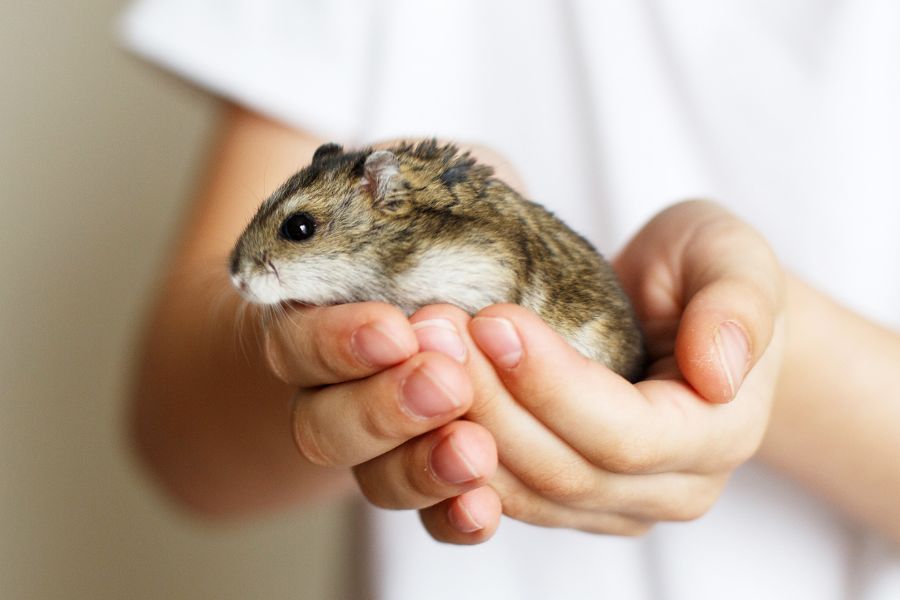
- Hamsters: A mix of seeds, grains, and small amounts of fresh fruits and vegetables works best.
- Ferrets: Obligate carnivores that require high-protein, high-fat diets. Feed premium ferret food or raw meat under guidance.
Small Mammal Feeding Tips:
- Provide constant access to hay or fiber-rich food for digestive health.
- Limit sugary treats and avoid chocolate or processed human foods.
- Divide daily portions into smaller servings to prevent overeating.
Tip: Regularly clean food bowls and remove uneaten fresh food to prevent bacterial growth.
Supplements and Treats for Exotic Pets
Many exotic pets benefit from additional vitamins or mineral supplements. Use supplements only when recommended by a veterinarian. Over-supplementation can be harmful, especially for reptiles and birds.
Safe Treating Practices:
- Limit treats to 5–10% of the daily diet.
- Use treats to encourage behavioral enrichment or training.
- Avoid processed human snacks.
Signs Your Exotic Pet May Have Dietary Issues
Monitoring your pet’s health is key to early detection of nutritional problems. Look for:
- Weight loss or obesity
- Dull coat, feathers, or skin
- Lethargy or behavioral changes
- Digestive issues or abnormal droppings
If you notice any of these signs, consult your veterinarian immediately.
Creating a Feeding Routine
Consistency is essential for exotic pet care in Seminole. A structured feeding schedule helps prevent overfeeding and ensures pets receive proper nutrition.
Tips for a Successful Feeding Routine:
- Feed at the same time every day.
- Track portion sizes according to your pet’s species and age.
- Monitor water intake and habitat humidity where applicable.
- Adjust the diet based on life stage, activity level, and health condition.
Proper nutrition is vital for the longevity and well-being of exotic pets. Birds, reptiles, and small mammals each have specific dietary requirements that must be carefully managed. Following these feeding tips and consulting a veterinarian ensures your exotic pets stay healthy, active, and happy.
Contact Oakhurst Veterinary Hospital today to discuss your exotic pet’s nutrition plan and receive expert guidance tailored to your pet’s needs.
Frequently Asked Questions
Q1. What is the best diet for a pet parrot?
Ans: A balanced diet of high-quality pellets, seeds, and fresh fruits and vegetables is ideal for parrots, providing essential nutrients and vitamins.
Q2. How often should I feed my reptile?
Ans: Feeding frequency depends on the species: many insect-eating lizards eat daily, while snakes and some tortoises may eat once or twice a week.
Q3. Can small mammals eat fruits regularly?
Ans: Small mammals can have fruits occasionally, but it should be limited to prevent sugar-related health problems. Vegetables and hay remain the main diet.
Q4. Do exotic pets need vitamin supplements?
Ans: Some species require supplements, such as calcium for reptiles or vitamin C for guinea pigs. Always consult a veterinarian before supplementing.
Q5. How do I know if my exotic pet is eating enough?
Ans: Monitor weight, activity level, coat or skin condition, and droppings. Any sudden changes may indicate a dietary issue and need veterinary attention.
Related Articles