

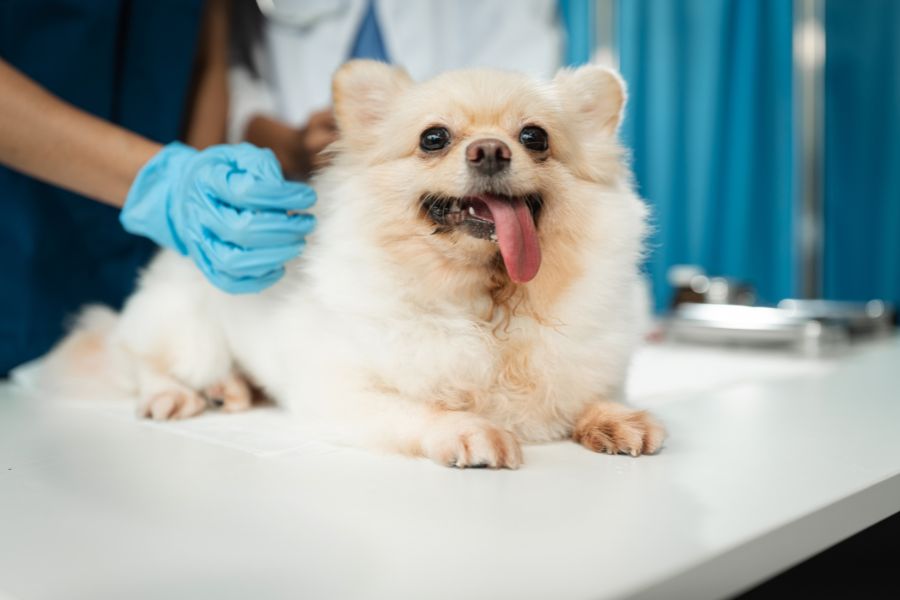
Pets cannot tell us when something feels wrong; they cannot explain a headache, sore joints, or stomach pain. Instead, they show subtle changes in behavior, movement, and appearance. Many of these signs are easy to miss at home, but during a routine exam, a trained professional can quickly spot small clues that may point to bigger health concerns. Regular checkups are one of the most important steps in catching hidden health problems early. Focusing on early detection and preventive care to keep pets healthy and happy. Here are some of the hidden health signs your vet may notice right away.
1. Subtle Weight Changes
Even a small weight gain or loss can signal a health issue. Many pet owners see their dog or cat every day, so gradual changes are hard to notice. During a wellness visit, your veterinarian checks weight trends and body condition score.
Unexplained weight loss may point to:
- Diabetes
- Thyroid disease
- Dental pain
- Kidney disease
- Digestive disorders
Weight gain could signal:
- Hormonal imbalance
- Poor diet
- Lack of exercise
- Early joint pain limits activity
Catching these changes early can prevent more serious complications.
2. Dental Disease You Cannot See
Bad breath is not “normal dog breath.” It is often a sign of dental disease.
Your veterinarian looks for:
- Red or swollen gums
- Tartar buildup
- Loose teeth
- Signs of oral infection
- Oral masses or growths
Dental disease can lead to pain, difficulty eating, and even heart or kidney problems if bacteria enter the bloodstream. Routine exams can prevent painful issues before they become severe.
3. Changes in Skin and Coat
Your pet’s skin and coat reveal a lot about overall health.
A vet may notice:
- Dry, flaky skin
- Hair thinning
- Redness or irritation
- Parasites like fleas
- Lumps or bumps
Sometimes a small lump feels harmless at home, but veterinarians are trained to identify which growths need testing. Early detection of skin tumors or infections can make treatment much easier and more successful.
4. Abnormal Heart Sounds
When your vet uses a stethoscope, they are listening for more than just a heartbeat.
They check for:
- Heart murmurs
- Irregular rhythms
- Abnormal lung sounds
Heart murmurs can develop quietly without symptoms. Early detection allows for monitoring and treatment before heart disease progresses.
5. Subtle Signs of Pain
Animals are very good at hiding pain. It is a survival instinct.
Your veterinarian may notice:
- Slight stiffness when walking
- Delayed response when sitting
- Tension when certain areas are touched
- Mild limping you may not see at home
These small signs may indicate:
- Arthritis
- Muscle strain
- Early hip dysplasia
- Dental pain
- Spinal discomfort
Pain caught early can often be managed with medication, supplements, or lifestyle changes.
6. Early Signs of Eye Problems
Cloudy eyes, slight redness, or small discharge may not seem urgent, but eye conditions can progress quickly.
During an exam, your vet checks for:
- Cataracts
- Glaucoma
- Corneal ulcers
- Retinal changes
- Dry eye
Early treatment protects your pet’s vision and comfort.
7. Changes in Behavior
Behavior changes often signal medical issues.
Your veterinarian may ask questions about:
- Increased thirst
- Frequent urination
- Changes in appetite
- Sudden aggression
- Hiding behavior
These signs may indicate:
- Diabetes
- Kidney disease
- Liver problems
- Anxiety disorders
- Cognitive decline in senior pets
Even small behavioral shifts can be important clues.
8. Abnormal Abdominal Findings
During a physical exam, your veterinarian gently feels your pet’s abdomen.
They check for:
- Organ enlargement
- Pain responses
- Abnormal masses
- Fluid buildup
Many internal problems have no obvious outward symptoms at first. Regular exams help detect concerns before they become emergencies.
9. Lymph Node Enlargement
Lymph nodes are part of the immune system. When they become enlarged, it can signal infection or more serious conditions. Most pet owners cannot easily feel lymph nodes, a trained professional can quickly identify swelling that needs further testing.
10. Dehydration and Gum Color
Your pet’s gums tell an important story.
Healthy gums should be pink and moist. Pale, blue, or very red gums may signal:
- Anemia
- Poor circulation
- Shock
- Infection
- Heatstroke
Your veterinarian checks gum color and hydration levels during every exam.
11. Early Signs of Parasites
Some parasites are not visible to the naked eye.
Your vet may detect:
- Intestinal parasites through testing
- Early heartworm disease
- Ear mites
- Flea dirt
Even indoor pets are at risk; preventive care protects your pet and your family.
12. Mobility and Joint Health
As pets age, joint stiffness can develop gradually.
Your veterinarian evaluates:
- Range of motion
- Joint swelling
- Muscle loss
- Balance issues
Early arthritis management can greatly improve quality of life.
Why Regular Exams Matter
Many serious diseases start with mild, hidden signs. By the time symptoms become obvious, the condition may be advanced.
Annual exams for adult pets and twice-yearly visits for seniors allow early detection of:
- Cancer
- Heart disease
- Diabetes
- Kidney disease
- Liver problems
- Thyroid disorders
Preventive care is often less costly and less stressful than emergency treatment.
When Should You Schedule a Visit?
You should contact your local animal hospital if you notice:
- Sudden behavior changes
- Persistent vomiting or diarrhea
- Limping
- Breathing changes
- Excessive thirst
- Loss of appetite
Even if you are unsure, it is always better to have your pet evaluated.
Compassionate Care from a vet
Pets cannot speak, but their bodies communicate in subtle ways. From tiny weight changes to faint heart murmurs, expert veterinarians can spot health concerns long before they become serious.
Regular wellness visits are one of the best gifts you can give your pet. Early detection saves lives, reduces costs, and ensures your furry family member enjoys a longer, healthier life.
If you are in Seminole, FL, and searching for a trusted “animal hospital near me,” contact Oakhurst Veterinary Hospital today. We are here to help your pet stay healthy at every stage of life.
FAQs
1. How often should I take my pet to the veterinarian?
Ans: Most healthy adult pets should see a veterinarian once a year. Senior pets and pets with chronic conditions may need visits every six months.
2. Can a vet detect illness before symptoms appear?
Ans: Yes, physical exams, bloodwork, and diagnostic tests often reveal health problems before noticeable symptoms develop.
3. What are the most common hidden health problems in pets?
Ans: Common hidden issues include dental disease, heart murmurs, early kidney disease, thyroid problems, and arthritis.
4. Why does my pet seem fine but still need a checkup?
Ans: Many conditions develop slowly and without obvious signs. Routine exams help detect problems early.
5. Are annual blood tests necessary?
Ans: Blood tests can detect internal issues that are not visible during a physical exam. Your veterinarian will recommend testing based on your pet’s age and health history.