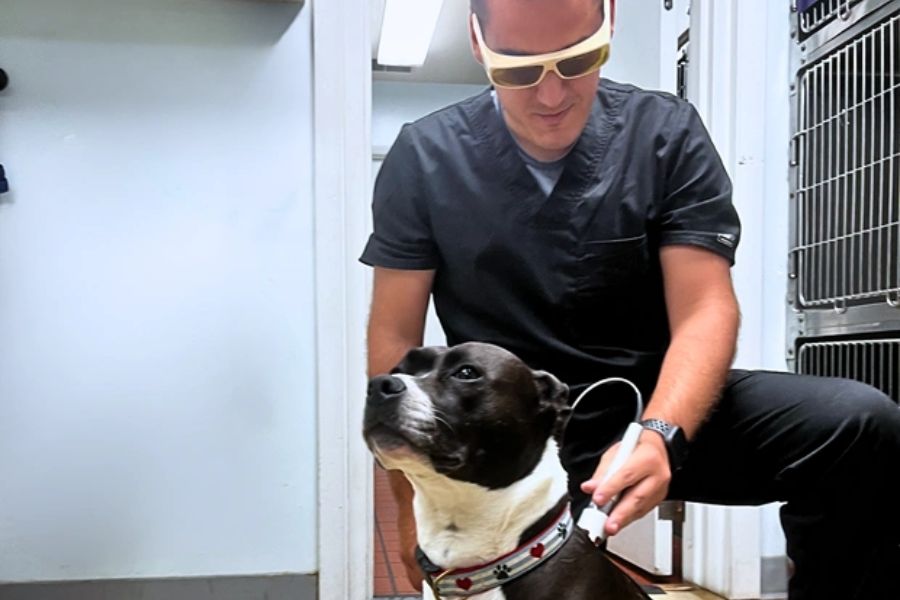


Ear infections in pets, medically called otitis externa, are common in dogs and cats and can cause discomfort, scratching, and even hearing issues. Cold laser therapy offers a safe, non-invasive solution that reduces inflammation, promotes healing, and eases pain. In this article, we explore the causes, symptoms, and treatment options for ear infections in pets, highlighting the benefits of veterinary laser therapy. With professional guidance from Oakhurst Veterinary Hospital in Seminole, pet owners can ensure faster recovery and improved comfort for their furry companions using advanced laser therapy techniques.
Understanding Ear Infections in Dogs and Cats
Ear infections, or otitis externa, occur when bacteria, yeast, or allergies irritate the ear canal. Dogs with floppy ears, chronic allergies, or excessive swimming are more prone, while cats can develop infections due to mites, foreign bodies, or underlying illnesses. Symptoms may include:
- Scratching or pawing at ears
- Redness or swelling
- Foul odor or discharge
- Head shaking or tilting
- Discomfort or sensitivity
Untreated ear infections can worsen, leading to hearing loss, ruptured eardrums, or chronic inflammation. Early recognition and treatment are essential for pet health and comfort.
Common Causes of Otitis Externa
Understanding the root cause of an ear infection helps determine the right treatment. Common causes include:
Bacterial and Yeast Infections
Bacterial overgrowth and yeast infections are frequent triggers. Dogs with allergies often develop secondary infections due to chronic inflammation.
Allergies and Skin Conditions
Food allergies or environmental triggers can inflame ear tissue, making it susceptible to infections.
Foreign Bodies and Trauma
Grass seeds, dirt, or scratches inside the ear can lead to infection and irritation.
Ear Mites (Cats)
Cats are particularly prone to ear mites, tiny parasites that cause itching, dark discharge, and inflammation.
Conventional Dog and Cat Ear Infection Treatments
Traditional dog ear infection treatment and cat ear infection treatment may include:
- Cleaning: Professional ear cleaning to remove debris and discharge
- Topical medications: Antibiotic or antifungal ear drops
- Oral medications: Antibiotics or anti-inflammatory drugs for severe cases
- Addressing underlying issues: Allergy management or parasite control
While effective, some pets experience discomfort during treatment. Recurrent infections may require additional strategies to reduce inflammation and promote healing.
H2: How Cold Laser Therapy Helps
Cold laser therapy, also known as low-level laser therapy (LLLT) or veterinary laser therapy, is a non-invasive treatment that uses focused light to stimulate healing. It works by:
- Increasing blood flow to affected areas
- Reducing pain and inflammation
- Stimulating tissue repair and regeneration
- Supporting immune response
Laser therapy can be particularly effective for pets suffering from chronic or recurrent ear infections. It complements conventional treatments by speeding recovery and improving overall comfort.
Benefits of Laser Therapy for Dogs and Cats
Pain Relief and Comfort
Pets with ear infections often experience soreness and sensitivity. Laser therapy for dogs and cats reduces ear inflammation with laser, alleviating discomfort without the side effects of medications.
Accelerated Healing
By stimulating cellular activity, laser therapy promotes faster tissue repair, reducing the duration of infections and preventing complications.
Non-Invasive and Stress-Free
Laser treatments are painless and quick, making them ideal for pets who resist traditional ear care.
Reduced Need for Medications
With improved healing, some pets may require fewer antibiotics or anti-inflammatories, decreasing the risk of drug-related side effects.
What to Expect During a Laser Therapy Session
A typical veterinary laser therapy session involves:
- Initial evaluation – The veterinarian examines the ear to identify infection severity.
- Cleaning – Any debris or discharge is gently removed.
- Laser application – A handheld laser device is applied to the outer ear or affected tissue for several minutes.
- Follow-up – Treatment frequency varies based on infection severity, often 2–3 sessions per week.
Pets usually tolerate the procedure well, showing immediate signs of relief.
Integrating Laser Therapy with Conventional Treatments
Cold laser therapy is most effective when combined with:
- Proper ear cleaning
- Prescribed topical or oral medications
- Allergy management strategies
- Regular veterinary checkups
This integrative approach addresses both the infection and underlying causes, reducing recurrence and ensuring long-term ear health.
Tips for Preventing Ear Infections in Pets
Prevention is always better than treatment. Pet owners can reduce the risk of infections by:
- Regularly cleaning ears with vet-approved solutions
- Keeping ears dry after swimming or baths
- Monitoring for early signs of discomfort or discharge
- Managing allergies through diet and environmental adjustments
- Scheduling routine veterinary exams
Early intervention improves outcomes and reduces the need for prolonged treatments.
When to See a Veterinarian
Consult a veterinarian if your pet:
- Frequently scratches or shakes their head
- Exhibits redness, swelling, or foul odor
- Shows signs of pain or sensitivity
- Has chronic or recurrent infections
Ear infections in dogs and cats can cause significant discomfort and long-term complications if untreated. Cold laser therapy offers a safe, effective, and non-invasive solution to reduce inflammation, relieve pain, and speed healing. By combining laser therapy with conventional treatments, pet owners can support faster recovery and improved ear health.
If you are conveniently located in Seminole and searching for the best dog and cat ear infection treatment near me, Oakhurst Veterinary Hospital is the right choice for compassionate, advanced, and reliable care. Our team provides care in veterinary laser therapy, ensuring pets receive the most effective, stress-free treatment for ear infections.
FAQs
Q1: What causes ear infections in dogs and cats?
Ans: Ear infections, or otitis externa, are caused by bacteria, yeast, allergies, ear mites, or foreign bodies, leading to inflammation, discharge, and discomfort.
Q2: Is cold laser therapy safe for pets?
Ans: Yes, cold laser therapy is non-invasive, painless, and safe for dogs and cats, effectively reducing inflammation and promoting healing.
Q3: How long does laser therapy take to show results?
Ans: Many pets show improved comfort and reduced inflammation after just a few sessions, with complete healing often within weeks.
Q4: Can laser therapy replace medications?
Ans: Laser therapy complements conventional treatments. Some pets may require fewer medications, but severe infections still need prescribed antibiotics or antifungals.
Q5: How often should pets receive laser therapy?
Ans: Treatment frequency depends on infection severity but typically ranges from 2–3 sessions per week until symptoms improve and tissue heals.