

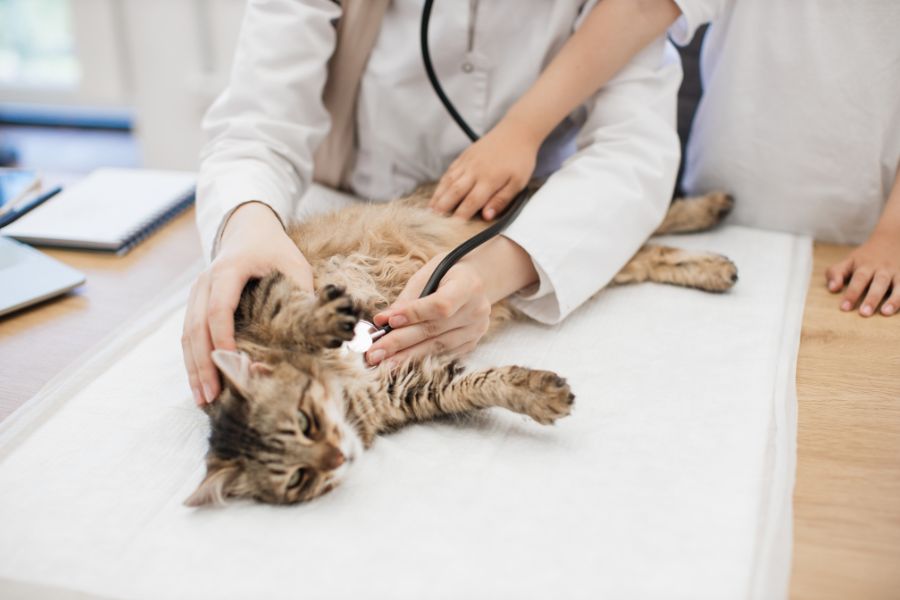
When your pet shows signs of discomfort, finding a trusted veterinarian quickly can make all the difference. From minor infections to digestive issues, everyday pet illnesses require timely diagnosis and proper care. In this guide, you’ll learn how a veterinarian near you helps manage, treat, and prevent common pet health problems to keep your furry companion healthy year-round.
What Does a Veterinarian Do for Everyday Pet Illnesses?
A veterinarian plays a vital role in identifying and treating common health issues in pets before they become serious. Many everyday illnesses may seem minor at first, but they can worsen without proper care.
Veterinarians are trained to:
- Diagnose symptoms through physical exams and lab tests
- Provide medications and treatment plans
- Offer preventive care advice
- Monitor recovery and adjust treatments
Whether your pet has a mild infection or a recurring condition, early intervention ensures faster recovery and better overall health.
Common Everyday Pet Illnesses Treated by a Veterinarian
Pets experience a variety of routine health issues that require professional attention. A nearby veterinarian is equipped to handle these effectively.
1. Skin Allergies and Infections
Skin problems are one of the most frequent reasons pet owners visit a veterinarian.
Common signs include:
- Excessive scratching or licking
- Redness or rashes
- Hair loss
Veterinarians may prescribe antihistamines, medicated shampoos, or dietary adjustments to relieve symptoms.
2. Digestive Problems
Vomiting, diarrhea, or loss of appetite can indicate digestive issues.
Possible causes:
- Dietary changes
- Food intolerance
- Infections
A veterinarian will assess the root cause and recommend treatment, such as hydration therapy or specialized diets.
3. Ear Infections
Ear infections are common, especially in dogs with floppy ears.
Symptoms include:
- Head shaking
- Foul odor
- Discharge
Prompt treatment prevents complications and reduces discomfort.
4. Respiratory Infections
Coughing, sneezing, and nasal discharge may signal respiratory issues.
These conditions can spread quickly among pets, so early care from a veterinarian is essential.
5. Parasites (Fleas, Ticks, Worms)
Parasites can affect your pet’s health and comfort.
Veterinarians provide:
- Preventive medications
- Deworming treatments
- Flea and tick control plans
How a Veterinarian Diagnoses Pet Illnesses
Accurate diagnosis is the foundation of effective treatment. A skilled Veterinarian uses a combination of methods to identify health issues.
Physical Examination
The first step involves checking your pet’s:
- Temperature
- Heart rate
- Weight
- Overall condition
Diagnostic Testing
Depending on symptoms, tests may include:
- Blood work
- Urine analysis
- X-rays or imaging
Medical History Review
Understanding your pet’s lifestyle, diet, and past health issues helps pinpoint the cause of illness.
Treatment Options Provided by a Veterinarian
Once a diagnosis is confirmed, a veterinarian creates a tailored treatment plan based on your pet’s needs.
Medications
Common prescriptions include:
- Antibiotics for infections
- Anti-inflammatory drugs
- Allergy relief medications
Nutritional Guidance
Diet plays a major role in recovery. Veterinarians may recommend:
- Prescription diets
- Supplements
- Feeding adjustments
Minor Procedures
Some conditions may require:
- Wound cleaning
- Ear flushing
- Removal of minor growths
Follow-Up Care
Regular follow-ups ensure the treatment is working and allow adjustments if needed.
Preventing Everyday Pet Illnesses
Prevention is always better than treatment. A preventive approach with a trusted veterinarian helps reduce the risk of common illnesses.
Routine Checkups
Annual or biannual visits help detect issues early.
Vaccinations
Keeping vaccinations up to date protects against serious diseases.
Parasite Prevention
Year-round flea, tick, and heartworm prevention is essential.
Proper Nutrition
A balanced diet supports your pet’s immune system.
Hygiene and Grooming
Regular grooming helps prevent skin infections and other health problems.
When Should You Visit a Veterinarian?
Knowing when to seek help can save your pet from unnecessary discomfort.
Contact a veterinarian if your pet shows:
- Persistent vomiting or diarrhea
- Sudden behavioral changes
- Loss of appetite
- Difficulty breathing
- Unusual lumps or swelling
Early care often leads to quicker recovery and lower treatment costs.
Benefits of Having a Local Veterinarian Near You
Choosing a nearby veterinarian offers several advantages for pet owners.
Quick Access to Care
Immediate attention during emergencies or sudden illness.
Personalized Treatment
Local vets often build long-term relationships with pets and their owners.
Ongoing Health Monitoring
Regular visits help track your pet’s health over time.
Convenience
Easy scheduling and reduced travel stress for your pet.
How to Choose the Right Veterinarian
Selecting the right veterinarian ensures your pet receives the best care possible.
Look for:
- Experience and qualifications
- Positive client reviews
- Clean and well-equipped facilities
- Friendly and compassionate staff
A good veterinarian will take time to explain diagnoses and treatment options clearly.
Every day, pet illnesses may seem minor, but they can quickly escalate without proper care. A trusted veterinarian plays a key role in diagnosing, treating, and preventing these common health issues. From skin allergies to digestive problems, timely veterinary care ensures your pet stays happy and healthy.
If your pet is showing signs of illness or needs routine care, schedule a visit with Oakhurst Veterinary Hospital in Seminole, FL, today and give your furry companion the expert attention they deserve.
FAQs
Q1: When should I take my pet to a veterinarian for minor symptoms?
Ans: If symptoms last more than 24–48 hours or worsen, it’s best to consult a veterinarian for proper evaluation.
Q2: Can a veterinarian treat all common pet illnesses?
Ans: Yes, most everyday conditions like infections, allergies, and digestive issues can be diagnosed and treated by a veterinarian.
Q3: How often should I visit a veterinarian for routine checkups?
Ans: Pets should visit a veterinarian at least once a year, or more often for senior pets or those with health conditions.
Q4: Are preventive treatments really necessary for pets?
Ans: Yes, preventive care like vaccinations and parasite control helps avoid serious and costly health issues.
Q5: What should I do if my pet suddenly becomes sick?
Ans: Contact a veterinarian immediately, especially if symptoms are severe or your pet’s behavior changes suddenly.