
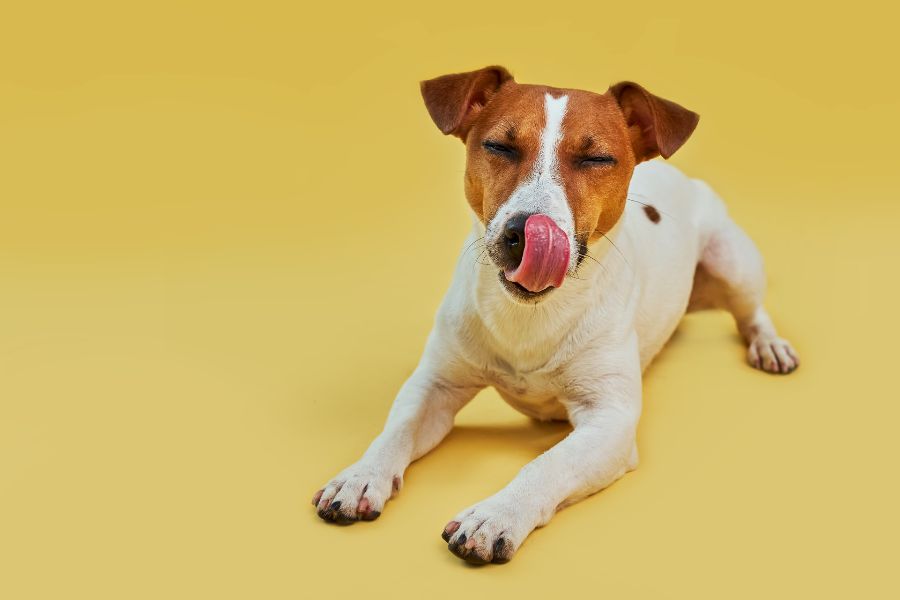
If you’ve noticed your dog constantly licking their paws, you’re not alone. Dog licking paws is one of the most common concerns pet parents have. While an occasional lick is normal grooming behavior, excessive paw licking can signal an underlying issue that needs attention. From seasonal allergies to dry skin and stress, several factors can trigger this behavior. The good news is that there are natural remedies that may help soothe your dog’s discomfort. However, it’s important to understand the root cause before starting any treatment.
Why Do Dogs Lick Their Paws So Much?
Before trying natural remedies, it’s helpful to know why your dog may be licking excessively. Common causes include:
1. Allergies
Allergies are a leading cause of dog licking paws. Dogs can develop reactions to pollen, grass, mold, dust mites, or certain foods. In Florida’s warm climate, environmental allergens can be present year-round.
2. Dry or Irritated Skin
Dry skin, cracked paw pads, or small cuts can cause discomfort. Walking on hot pavement in Seminole can also irritate sensitive paws.
3. Anxiety or Boredom
Sometimes paw licking is behavioral. Dogs may lick out of stress, separation anxiety, or lack of mental stimulation.
4. Parasites or Infections
Fleas, mites, yeast infections, or bacterial infections can cause intense itching. If the skin appears red, swollen, or has an odor, it’s time to contact an animal clinic near me for an exam.
Natural Remedies to Help with Dog Licking Paws
Natural solutions can be helpful for mild cases. Always monitor your dog closely and consult a veterinarian if symptoms worsen.
1. Warm Water Paw Soaks
A simple warm water soak can remove allergens and soothe irritation.
How to do it:
- Fill a basin with warm (not hot) water.
- Let your dog’s paws soak for 5–10 minutes.
- Gently pat dry with a clean towel.
This is especially helpful after outdoor walks in Seminole, FL, where pollen and grass can stick to paw pads.
2. Apple Cider Vinegar Rinse
Apple cider vinegar has natural antibacterial and antifungal properties.
How to use:
- Mix equal parts apple cider vinegar and water.
- Dip the paws briefly or spray the mixture onto the paws.
- Let air dry.
Do not use on open wounds or cracked skin, as it can sting.
3. Oatmeal Soaks
Oatmeal is well known for soothing itchy skin.
Steps:
- Grind plain oatmeal into a fine powder.
- Add it to warm bath water.
- Soak your dog’s paws for 10 minutes.
Oatmeal can reduce inflammation and calm irritated skin naturally.
4. Coconut Oil Application
Coconut oil contains natural moisturizing and antimicrobial properties.
How it helps:
- Moisturizes dry paw pads
- Reduces minor inflammation
- Creates a protective barrier
Apply a small amount and gently massage it into the paw pads. Use only a thin layer to prevent slipping.
5. Omega-3 Fatty Acids
If allergies or dry skin are contributing to dog licking paws, omega-3 supplements may help.
Benefits include:
- Improved skin health
- Reduced inflammation
- Shinier coat
Talk to your veterinarian about proper dosing before adding supplements to your dog’s diet.
6. Keep Paws Clean and Dry
Regular cleaning is one of the easiest preventive steps.
After walks:
- Wipe paws with a damp cloth.
- Check for debris, small cuts, or redness.
- Dry thoroughly to prevent yeast growth.
Florida’s humidity can encourage fungal growth, so drying paws completely is very important.
7. Use Protective Booties
Hot sidewalks and sandy surfaces in Seminole can irritate paw pads. Protective dog booties can help:
- Prevent burns
- Reduce allergen exposure
- Minimize direct contact with irritants
This can significantly reduce dog licking paws caused by environmental triggers.
8. Reduce Stress and Boredom
If anxiety is causing excessive licking:
- Increase daily exercise
- Provide puzzle toys
- Stick to a consistent routine
- Offer calming enrichment activities
Mental stimulation can make a big difference in reducing compulsive behaviors.
When Natural Remedies Are Not Enough?
While home care may help with mild irritation, some signs require professional evaluation:
- Persistent redness
- Swelling
- Bleeding
- Limping
- Foul odor
- Hair loss around paws
These symptoms may indicate infections or deeper skin issues that require medical treatment. You can connect with experienced veterinary professionals who can diagnose and treat the underlying cause. At Oakhurst Veterinary Hospital in Seminole, FL, we frequently treat dogs suffering from chronic paw irritation. Our team provides personalized care plans that may include allergy testing, prescription medications, or advanced dermatology solutions when needed.
Preventing Future Paw Problems
Prevention plays a key role in reducing dog licking paws long-term.
1. Regular Grooming
Trim excess hair between paw pads to reduce debris buildup.
2. Routine Vet Checkups
Annual wellness exams help catch allergies and skin conditions early.
3. Balanced Nutrition
High-quality dog food supports immune health and skin integrity.
4. Parasite Prevention
Consistent flea and tick prevention reduces itching triggers.
If you’re typing “animal clinic near me” because your dog won’t stop licking their paws, it’s best to schedule an exam sooner rather than later. Early intervention prevents complications like secondary infections.
Local Care for Dogs
Living in Seminole, FL, means enjoying sunshine, beaches, and outdoor walks with your dog. However, Florida’s climate can also increase exposure to allergens, moisture, and heat-related paw irritation. If your dog’s paw licking becomes frequent or intense, professional care is the safest solution. Oakhurst Veterinary Hospital provides comprehensive skin and allergy care tailored to pets in the Seminole area. Our experienced team understands the environmental factors affecting local dogs and offers compassionate, thorough treatment options and provides necessary preventive care. Whether your dog needs allergy management, infection treatment, or preventative guidance, we are here to help your pet stay comfortable and healthy.
FAQs
1. Is dog licking paws always a sign of allergies?
Ans: No, while allergies are common, paw licking can also result from anxiety, boredom, parasites, dry skin, or infections. A veterinary exam can determine the exact cause.
2. Can I use apple cider vinegar every day on my dog’s paws?
Ans: It’s generally safe for mild cases if there are no open wounds. However, frequent use may dry out the skin. Consult your veterinarian for proper guidance.
3. How do I know if my dog’s paw licking is serious?
Ans: If you notice swelling, bleeding, limping, a strong odor, or hair loss, seek care from an animal clinic as soon as possible.
4. Do Florida weather conditions make paw licking worse?
Ans: Yes, heat, humidity, pollen, and sandy surfaces can contribute to irritation and allergic reactions.
5. Are natural remedies enough for yeast infections?
Ans: Mild cases may improve with cleaning and drying, but yeast infections often require prescription antifungal medications from a veterinarian.