

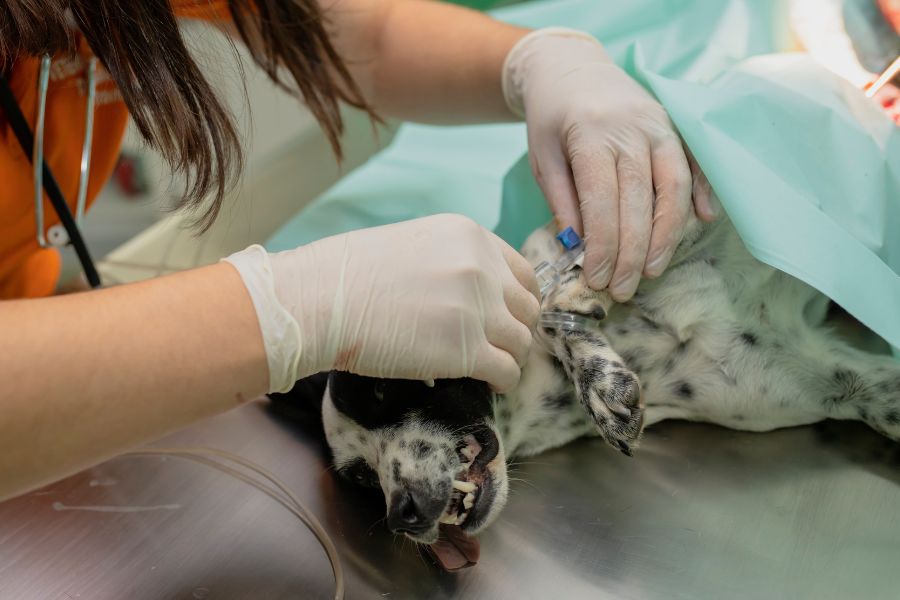
Heart murmurs in puppies can be alarming for any pet parent, especially when you first hear them during a routine checkup. The good news is that many puppies do outgrow heart murmurs as they develop, but not all murmurs are harmless. In this guide, we’ll explain whether puppies outgrow heart murmurs, the signs to watch for, what causes them, when to worry, and the vet-recommended steps to ensure your puppy grows up healthy.
What Is a Heart Murmur in Puppies?
A heart murmur in puppies is an abnormal whooshing or swishing sound caused by turbulent blood flow within the heart. Vets grade murmurs on a scale of 1 to 6 based on loudness and severity.
- Grade 1–2: Very soft, often harmless
- Grade 3–4: Moderate, may indicate an underlying issue
- Grade 5–6: Loud, often linked to structural heart disease
Not all murmurs mean disease. Some are “innocent” or “physiologic” and disappear as your puppy matures.
Do Puppies Outgrow Heart Murmurs?
Yes, many puppies outgrow heart murmurs, especially those diagnosed as innocent murmurs. These usually appear between 6–8 weeks of age and fade by 4–6 months, as the heart and blood vessels develop.
Murmurs Most Likely to Be Outgrown:
- Low-grade (1–2) murmurs
- Soft, intermittent murmurs
- Murmurs detected in otherwise healthy, active puppies
- Murmurs found in large breed puppies during rapid growth phases
Murmurs Less Likely to Resolve:
- Loud or high-grade murmurs
- Murmurs accompanied by symptoms
- Murmurs linked to congenital heart defects
- Persistent murmurs beyond 6 months
What Causes Heart Murmurs in Puppies?
Understanding the causes of heart murmurs in puppies helps determine whether your puppy may outgrow the condition or need treatment.
Common Causes Include:
1. Innocent/Physiologic Murmurs
These occur due to rapid growth and development of cardiovascular structures.
- Usually soft
- No symptoms
- Often resolve by 6 months
2. Congenital Heart Defects
Structural problems present at birth, such as:
- Patent Ductus Arteriosus (PDA)
- Pulmonic stenosis
- Aortic stenosis
- Ventricular septal defect (VSD)
These murmurs typically do not resolve without treatment.
3. Anemia or Low Red Cell Counts
Can cause faster blood flow, producing turbulence.
4. Infection or Inflammation
Issues like heartworm disease (rare in puppies) or bacterial infections may lead to murmurs.
Signs a Puppy’s Heart Murmur May Be Serious
While many murmurs are harmless, certain signs indicate your puppy may need further evaluation.
Warning Signs Include:
- Rapid or difficult breathing
- Coughing or wheezing
- Poor weight gain or stunted growth
- Lethargy or low energy
- Fainting or collapse
- Blue-tinged gums
- Exercise intolerance
If you notice any of these, contact your nearest animal hospital right away for cardiac evaluation.
How Vets Diagnose Heart Murmurs in Puppies
Your veterinarian uses several tools to assess the severity and cause of a murmur.
Diagnostic Methods:
1. Physical Examination
A stethoscope helps identify location, grade, and type of murmur.
2. Echocardiogram (Ultrasound)
The gold standard for evaluating heart structure and function.
It can diagnose congenital defects and assess prognosis.
3. X-rays
Show heart size and blood vessel patterns.
4. Electrocardiogram (ECG)
Evaluates rhythm abnormalities.
5. Blood Testing
Checks for anemia, infections, or metabolic issues.
Puppy Heart Murmur Prognosis: What to Expect
Your puppy’s heart murmur prognosis depends on whether the murmur is innocent or related to structural heart disease.
If It’s an Innocent Murmur:
- Usually resolves by 4–6 months
- No treatment needed
- Puppy leads a normal, healthy life
If It’s a Congenital Murmur:
Prognosis varies depending on the defect:
- PDA: excellent prognosis with surgery
- Pulmonic stenosis: good with balloon valvuloplasty
- Aortic stenosis: more guarded
- VSD: depends on defect size
Early detection dramatically improves outcomes.
How to Care for a Puppy With a Heart Murmur
Proper care helps your puppy thrive while you monitor the condition.
Key Vet-Approved Tips:
1. Attend Regular Checkups
Follow your vet’s recheck schedule — often every 4–8 weeks for young puppies.
2. Monitor Symptoms at Home
Track breathing, energy levels, appetite, and growth.
3. Provide Balanced Nutrition
Healthy weight helps ease the heart’s workload.
4. Adjust Exercise If Needed
Mild play is generally safe, but avoid excessive exertion for puppies with moderate-to-severe murmurs.
5. Follow Expert Recommendations
A veterinary cardiologist may recommend medications or surgery for congenital issues.
Vet Treatments and Pet Therapies for Puppy Heart Murmurs
Many puppies do not need treatment beyond monitoring. But when needed, pet therapies in Seminole or most likely veterinary cardiology support can improve heart function and quality of life.
Common Veterinary Treatments Include:
- Beta-blockers to reduce heart strain
- ACE inhibitors to support circulation
- Diuretics for fluid buildup
- Surgery or interventional procedures for congenital defects
- Cardiac rehabilitation programs for long-term support
Early intervention often leads to the best outcomes.
When to See a Vet Immediately
Don’t wait if you notice:
- Difficulty breathing
- Fainting spells
- Sudden weakness
- A dramatic drop in energy
- Abnormal swelling (abdomen or limbs)
Many puppies can outgrow heart murmurs, especially mild, innocent ones that resolve as they develop. Still, some murmurs indicate congenital conditions that need early diagnosis and treatment for the best prognosis. By staying alert to symptoms, attending recheck exams, and working closely with your veterinarian, you can help ensure your puppy grows into a strong, healthy adult.
If you’re in Seminole, FL, and trying to find a trusted animal hospital for your pet, Oakhurst Veterinary Hospital offers compassionate expertise and advanced support to keep your puppy’s heart healthy.
FAQs
1. Can puppies outgrow heart murmurs completely?
Ans: Yes, many puppies outgrow low-grade innocent murmurs by 4–6 months of age as their cardiovascular system matures.
2. What causes heart murmurs in puppies?
Ans: Common causes include innocent murmurs, congenital defects like PDA or stenosis, anemia, or infections.
3. Are heart murmurs in puppies dangerous?
Ans: Some are harmless, but others indicate structural heart disease. A vet evaluation helps determine severity.
4. How do vets diagnose a puppy heart murmur?
Ans: Through exams, echocardiograms, X-rays, ECGs, and blood tests to assess heart structure and function.
5. When should I worry about my puppy’s heart murmur?
Ans: If your puppy shows breathing issues, fainting, poor growth, or lethargy, seek veterinary care immediately.