

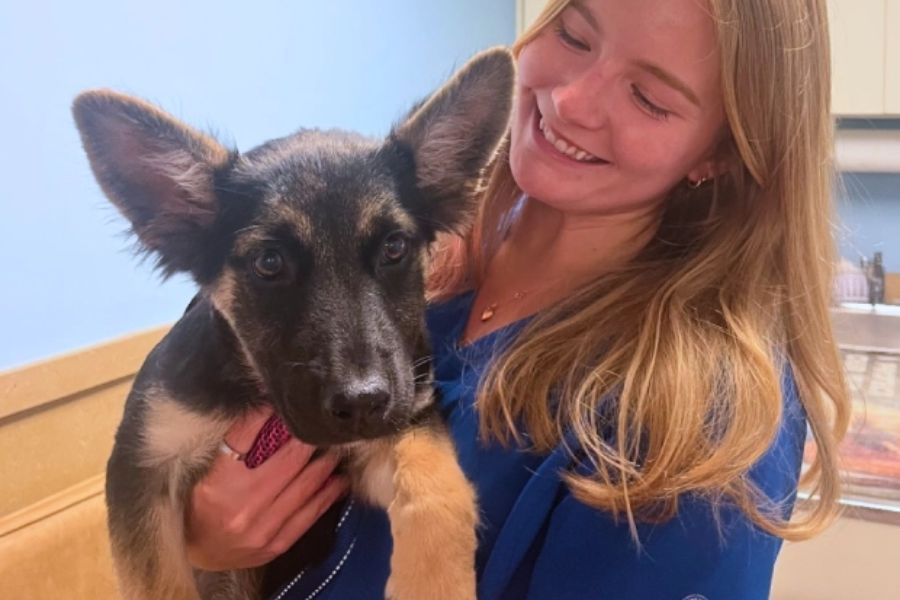
Welcoming a new puppy or kitten into your home is a heartwarming experience. Their playful eyes, tiny paws, and endless curiosity make every day brighter. However, along with the cuddles and cuteness comes responsibility.
Proper puppy and kitten care ensures your little companions grow into healthy, happy, and well-behaved adults. This guide walks you through everything you need to know, from feeding and grooming to vet visits and socialization.
1. Nutrition: Fueling Growth from the Start
Puppies and kittens have different nutritional needs compared to adult pets. They require high-quality food that supports their rapid growth and development. Look for age-specific formulas rich in protein, DHA, and essential vitamins.
Feed your puppy or kitten three to four times a day until they are around six months old. Gradually transition to adult food under your vet’s guidance. Also, always provide fresh water to keep them hydrated.
👉 Tip: Avoid feeding them table scraps or human food, as it can upset their stomach or lead to harmful habits.
2. Vaccinations & Vet Visits: A Healthy Foundation
Early vet visits are a cornerstone of puppy and kitten care. Your veterinarian will create a vaccination schedule that protects your pet from deadly diseases like parvovirus, distemper, and rabies.
Besides vaccinations, regular deworming, flea prevention, and heartworm medication should begin early. Also, schedule microchipping for safety and identification.
👉 Pro Tip: Visit the vet within the first week of bringing your pet home to establish their health baseline and discuss a care plan.
3. Socialization & Training: Molding Their Behavior Early
The first few months of your pet’s life are critical for behavioral development. Exposing them to new environments, people, and other pets helps reduce fear and anxiety later on.
Start crate training and basic commands such as “sit,” “stay,” and “come.” Positive reinforcement—treats, praise, and affection—goes a long way.
Socialization is an essential part of puppy and kitten care that shapes how they react to the world around them.
4. Grooming Basics: Keeping Them Fresh & Fluffy
Even young pets benefit from regular grooming. Brushing your puppy or kitten helps reduce shedding, prevents matting, and gets them comfortable with being handled.
Introduce baths gently and choose pet-safe shampoos. Check their ears for wax buildup or infection, and trim their nails as needed.
👉 Bonus Tip: Start dental care early! Brush their teeth with a soft pet toothbrush and flavored toothpaste designed for animals.
5. Safe Spaces & Comfort: Creating a Pet-Friendly Home
Your home should be a haven for your new furry friend. Designate a cozy sleeping area, free from drafts and loud noises. Puppy-proof or kitten-proof your home by removing small objects, securing cords, and keeping toxic plants out of reach.
Provide toys to keep them mentally stimulated, and avoid overexertion during playtime. Remember, rest is just as important as activity for young pets.
6. Spaying & Neutering: A Responsible Step Forward
Consult your vet about the right time for spaying or neutering. This not only prevents unwanted litter but also reduces the risk of certain cancers and behavioral issues. Spaying and neutering are key elements of responsible puppy and kitten care, contributing to both individual health and broader animal welfare.
Frequently Asked Questions (FAQs)
1. When should I start training my puppy or kitten?
A: Training should start as soon as your pet comes home, ideally between 7–12 weeks. Early learning is most effective during this developmental stage.
2. How often should I feed my puppy or kitten?
A: Feed them 3–4 small meals a day until they reach six months of age. Consult your vet for portion sizes based on breed and weight.
3. Can I take my young pet outside before vaccinations?
A: Limit outdoor exposure until all core vaccinations are complete. However, controlled socialization in safe environments can still be beneficial.
4. What’s the best way to handle teething?
A: Provide appropriate chew toys to soothe their gums. Avoid giving them old shoes or furniture parts, as this can lead to destructive habits.
5. Should I bathe my puppy or kitten?
A: Bathing is not needed often. Once every 4–6 weeks is fine unless they get dirty. Always use pet-specific shampoo.
6. Why is socialization important in puppy and kitten care?
A: Proper socialization prevents fear, aggression, and anxiety. It helps pets adapt better to new experiences, people, and environments.
The early stages of your pet’s life lay the groundwork for their future health, behavior, and happiness. With the right approach to puppy and kitten care, you create a bond built on trust and love. From nutritious meals to gentle grooming and timely vet visits, every effort counts.
Above all, enjoy the journey. The joy and companionship your puppy or kitten offers in return make every step worthwhile.