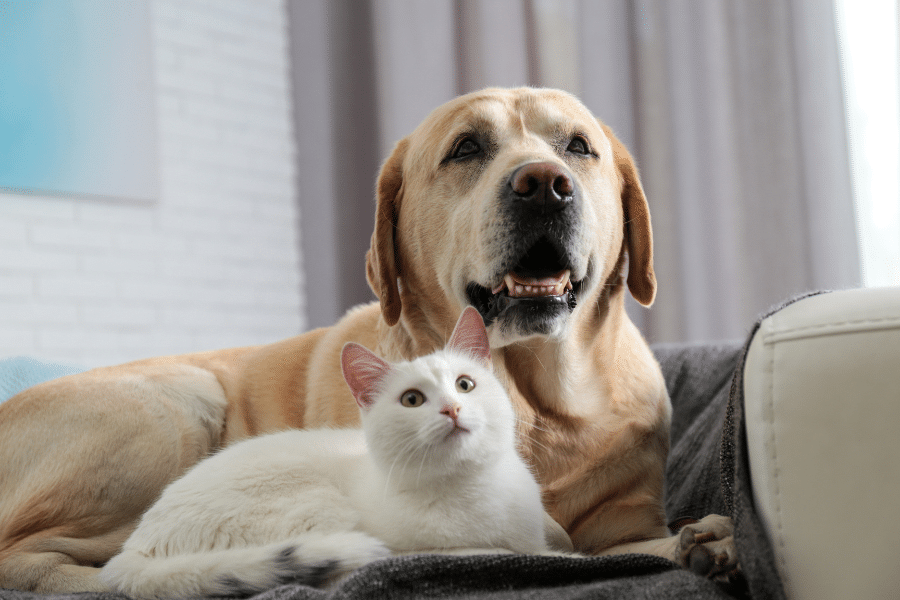


Pets bring companionship, affection, and joy into our lives. As pet owners, we naturally want to know whether our dogs and cats feel just as comfortable and content with us. However, pets cannot describe their emotions in words. Instead, they communicate through body language, behavior, daily habits, and interactions with people and other animals.
Understanding these signals can help you recognize when your pet feels safe, relaxed, and engaged. While every animal has a unique personality, certain behaviors may indicate positive emotional well-being.
If you have ever wondered, “Is my pet happy?” learning to recognize these signs is a great place to start.
Why Emotional Health Matters for Pets
A pet’s emotional well-being is closely connected to everyday experiences. A predictable routine, comfortable living environment, appropriate exercise, mental stimulation, and positive relationships can all support a pet’s quality of life.
Emotional health does not mean your pet must be playful or affectionate all the time. Dogs and cats experience different moods, and their activity levels naturally change throughout the day.
Instead of focusing on one behavior, observe your pet’s overall patterns. A sudden or lasting change in behavior may also indicate an underlying health concern, so it is important to consider physical health alongside emotional well-being.
10 Signs Your Pet Is Happy and Emotionally Healthy
1. Relaxed Body Language
A comfortable pet often displays loose, natural body movements. In dogs, signs may include a relaxed posture, soft eyes, and a naturally wagging tail. Cats may rest with their bodies comfortably positioned, hold their ears naturally, and appear calm in familiar surroundings. Remember that body language should be interpreted as a whole. A wagging tail or purring alone does not always mean an animal is happy.
2. Healthy Appetite
Most pets have consistent eating habits that reflect their individual needs and routines. A dog that approaches mealtime with interest or a cat that eats comfortably may be showing a normal, positive routine. However, appetite can vary with age, activity, health, and environmental changes. A sudden loss of appetite or unusual increase in food consumption deserves attention.
3. Enjoying Playtime
Play is an important part of physical and mental stimulation.
Happy, engaged pets may enjoy activities such as:
- Chasing toys
- Playing fetch
- Exploring puzzle feeders
- Pouncing on toys
- Playing interactive games with their owners
Not every pet enjoys the same activities. Choose games that match your pet’s age, personality, and physical abilities.
4. Comfortable Social Interaction
Some dogs love meeting new people, while others prefer familiar faces. Cats may seek attention, sit near their owners, or simply enjoy sharing the same room. A pet that willingly interacts with trusted people and can also enjoy independent time may be demonstrating a comfortable social routine. Avoid forcing interactions. Allow your pet to approach when ready.
5. Restful Sleep
Sleep plays an important role in physical recovery and emotional balance. A comfortable pet may settle into familiar sleeping places, rest without frequent interruptions, and maintain a predictable sleep routine. Dogs and cats have different sleep patterns, so consider what is normal for your individual companion.
6. Curiosity and Exploration
Interested pets often investigate their surroundings through sniffing, observing, climbing, or exploring. A dog may enjoy a new walking route, while a cat may investigate a new toy or explore a familiar room from a different position. Provide safe opportunities for exploration without overwhelming your pet.
7. Positive Communication
Pets communicate through sounds and body movements. Dogs may greet familiar people with a relaxed posture or playful expression. Cats may use gentle vocalizations, slow blinking, or other familiar communication behaviors. Pay attention to your pet’s usual communication style rather than expecting every animal to behave the same way.
8. Relaxed Grooming Habits
Cats often groom themselves regularly as part of normal daily behavior. Dogs also maintain grooming habits, although their needs differ by breed and coat type. A pet that maintains normal grooming routines may be comfortable in its environment. However, excessive licking, repeated scratching, or a sudden decline in grooming can indicate discomfort or a medical concern.
9. Confidence in Familiar Environments
A comfortable pet often moves around familiar spaces without showing persistent fear. Your dog may settle in a favorite room, while your cat may confidently explore different resting spots. Confidence does not mean a pet never feels nervous. New sounds, visitors, or environmental changes can affect even relaxed animals.
10. A Consistent Daily Routine
Regular habits can help pets feel secure. Eating, sleeping, playing, walking, and interacting at reasonably predictable times may support emotional comfort. A consistent routine also helps owners notice changes. If a pet suddenly stops enjoying favorite activities or begins hiding more often, consider discussing the change with a veterinarian.
Dog and Cat Happiness: What Should You Look For?
Dogs and cats express comfort differently. Understanding their natural behaviors can help you avoid misinterpreting their signals.
| Behavior | Dogs | Cats |
|---|---|---|
| Relaxation | Loose posture and soft expression | Comfortable resting positions |
| Play | Fetch, chasing, and interactive games | Pouncing, stalking toys, and climbing |
| Affection | Seeking attention or sitting nearby | Rubbing, slow blinking, or sitting close |
| Curiosity | Sniffing and exploring | Investigating objects and new spaces |
| Rest | Settling in familiar sleeping areas | Choosing comfortable resting spots |
The most important factor is understanding what is normal for your own pet.
5 Ways to Support Your Pet’s Emotional Well-Being
You can encourage a positive daily experience through simple habits.
- Provide regular activity: Choose walks, play sessions, or indoor activities that match your pet’s needs.
- Offer mental stimulation: Use puzzle toys, scent games, and interactive activities.
- Create a comfortable resting space: Make sure your pet has a quiet area where they can relax without interruption.
- Respect personal boundaries: Allow pets to choose when they want attention and when they prefer space.
- Maintain consistent routines: Predictable meals, playtime, and rest periods can help pets feel secure.
When a Change in Behavior May Need Veterinary Attention
A sudden behavioral change should not automatically be considered an emotional issue. Pain, illness, dental discomfort, mobility problems, and other physical conditions can affect how pets behave.
Consider contacting a veterinarian if you notice:
- Persistent hiding or withdrawal
- Sudden aggression or unusual irritability
- A significant change in appetite
- Reduced interest in favorite activities
- Excessive licking or grooming
- Changes in sleep or activity patterns
A veterinary examination by a Seminole vet can help determine whether an underlying physical concern is contributing to the behavior.
Hypothetical Case Study: Understanding a Cat’s Changing Behavior
Milo, a four-year-old cat, usually enjoys sitting near his owner and playing with feather toys. Over several weeks, his owner notices that he has started hiding more often and no longer shows much interest in playtime.
Rather than assuming Milo has become less social, the owner schedules a veterinary examination. The veterinarian reviews his behavior and health history and recommends an appropriate assessment.
This example demonstrates why observing changes over time matters. A behavior change may have several possible explanations, and identifying the cause is important before deciding how to help.
Helping Your Pet Enjoy a Healthy, Happy Life
A happy pet does not need to be energetic or affectionate every moment. Comfort, confidence, healthy routines, curiosity, and positive interactions can all offer clues about emotional well-being.
If you are looking for a reliable veterinarian near you, Oakhurst Veterinary Hospital can help you discuss changes in behavior and general health with a veterinary team. If your dog or cat no longer behaves like their usual self, scheduling an examination can help you understand what may be affecting their comfort.
Frequently Asked Questions
1. How can I tell if my dog is happy?
Ans: Relaxed body language, interest in play, comfortable social interaction, a healthy routine, and restful sleep may indicate positive well-being. Look at your dog’s overall behavior rather than relying on one sign.
2. How do cats show that they are happy?
Ans: Cats may show comfort through relaxed resting positions, playful behavior, gentle social interaction, and curiosity. Individual personalities influence how they express these behaviors.
3. Does purring always mean a cat is happy?
Ans: No. Cats may purr in different situations, including when they are stressed or uncomfortable. Consider other body language and behavior before interpreting the sound.
4. Can boredom affect my pet’s emotional well-being?
Ans: A lack of stimulation may contribute to unwanted behaviors in some pets. Appropriate play, exploration, social interaction, and enrichment activities can help support their daily needs.
5. When should I consult a veterinarian about my pet’s behavior?
Ans: Contact a veterinarian at Oakhurst Veterinary Hospital if you notice sudden, persistent, or unusual changes in appetite, activity, sleep, social interaction, or grooming. These changes may signal an underlying health concern.