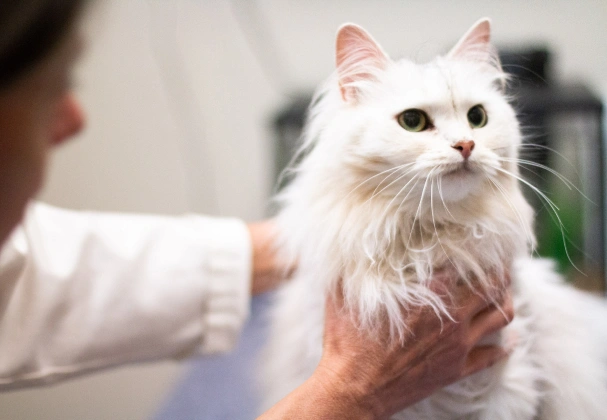

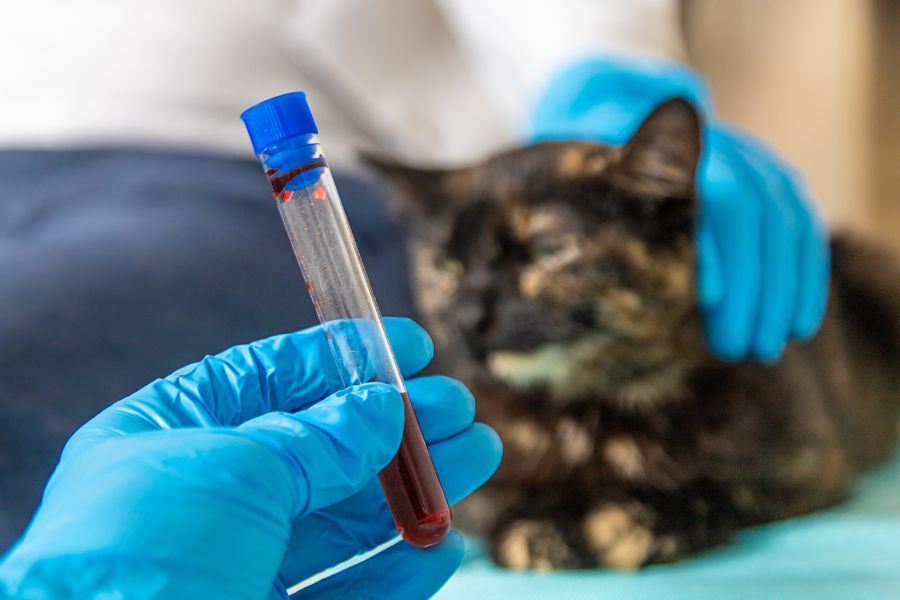
A blood panel is one of the most valuable tools veterinarians use to understand your pet’s health. Whether your dog or cat seems perfectly healthy or is showing signs of illness, a blood panel can reveal important information that may not be visible during a physical exam. From checking organ function to spotting infections and early disease, bloodwork helps your vet make informed decisions about your pet’s care. In this guide, you’ll learn what a blood panel includes, what the results can reveal, and why routine testing plays such an important role in preventive veterinary medicine.
What Is a Blood Panel for Pets?
A blood panel is a laboratory test that evaluates different components of your pet’s blood. It gives veterinarians a detailed picture of how the body is functioning internally. Blood tests are commonly performed during wellness exams, before surgery, when a pet is sick, or to monitor ongoing medical conditions.
Most veterinary blood panels include two main parts:
- Complete Blood Count (CBC)
- Blood Chemistry Panel
Together, these tests provide insight into your pet’s overall health.
What Does a Complete Blood Count (CBC) Show?
The CBC focuses on the cells circulating in your pet’s blood. It helps veterinarians identify infections, inflammation, anemia, and immune system concerns.
Red Blood Cells
Red blood cells carry oxygen throughout the body. A low red blood cell count may indicate:
- Anemia
- Blood loss
- Chronic disease
- Nutritional deficiencies
High levels can sometimes point to dehydration or other underlying issues.
White Blood Cells
White blood cells help fight infections. Elevated white blood cell counts may suggest:
- Bacterial or viral infections
- Inflammation
- Stress responses
- Immune disorders
Low counts may indicate immune suppression or bone marrow problems.
Platelets
Platelets are responsible for blood clotting. Low platelet counts can increase bleeding risk and may signal infections, autoimmune diseases, or clotting disorders.
What Does a Blood Chemistry Panel Reveal?
A chemistry panel evaluates chemicals, enzymes, proteins, and organ function markers in the bloodstream. This section of the blood panel helps vets assess major organs and body systems.
Kidney Function
Kidney values help determine how well your pet’s kidneys are filtering waste products from the blood. Elevated levels may indicate:
- Kidney disease
- Dehydration
- Urinary tract issues
Early kidney disease often develops silently, especially in senior pets. Routine blood panels can catch changes before symptoms become severe.
Liver Health
The liver performs many essential functions, including toxin removal and nutrient processing. Abnormal liver enzymes may point to:
- Liver inflammation
- Infection
- Toxic exposure
- Gallbladder disease
Additional testing may be recommended if liver values are elevated.
Blood Sugar Levels
Blood glucose measurements are important for diagnosing and monitoring diabetes. Low blood sugar levels can also occur due to certain illnesses, insulin overdoses, or metabolic conditions.
Electrolytes and Hydration
Electrolytes like sodium, potassium, and chloride help regulate hydration, nerve signals, and muscle function. Imbalances may occur with:
- Vomiting or diarrhea
- Kidney disease
- Hormonal disorders
- Dehydration
Protein Levels
Blood proteins provide clues about liver function, kidney health, immune activity, and hydration status.
Why Blood Panels Matter Even When Pets Seem Healthy?
Many illnesses begin developing long before obvious symptoms appear. Pets are also very good at hiding discomfort, especially cats. A blood panel helps detect hidden issues early, when treatment is often more effective and less expensive.
Routine bloodwork can help identify:
- Early kidney disease
- Liver dysfunction
- Diabetes
- Thyroid problems
- Infections
- Anemia
- Chronic inflammation
This is especially important for senior pets, since aging animals are more likely to develop chronic medical conditions.
When Do Vets Usually Recommend a Blood Panel?
Veterinarians may recommend a blood panel in several situations.
During Annual Wellness Exams
Routine blood testing establishes a baseline for your pet’s normal values. Over time, your vet can compare results and spot subtle changes earlier.
Before Surgery or Anesthesia
Pre-anesthetic bloodwork helps ensure your pet is healthy enough for anesthesia. It can reveal hidden medical conditions that may increase surgical risk.
When Your Pet Is Sick
Symptoms like vomiting, diarrhea, lethargy, weight loss, increased thirst, or appetite changes often require blood testing to help identify the cause.
For Senior Pets
Older pets benefit from more frequent blood panels because age-related diseases become more common over time.
How Vets Interpret Blood Panel Results?
A blood panel does not provide a diagnosis by itself. Instead, veterinarians interpret the results alongside:
- Physical exam findings
- Medical history
- Symptoms
- Imaging tests
- Urinalysis or additional lab work
For example, mildly elevated kidney values may mean dehydration in one pet, while in another pet they may indicate chronic kidney disease. Context matters.
This is why veterinarians carefully review all results instead of focusing on one number alone.
Can Blood Panels Detect Cancer?
A blood panel alone usually cannot definitively diagnose cancer, but it can reveal abnormalities that suggest further testing is needed.
For example, bloodwork may show:
- Elevated white blood cells
- Abnormal protein levels
- Anemia
- Organ dysfunction
If cancer is suspected, your vet may recommend imaging, biopsies, or specialized testing.
How Long Does It Take to Get Blood Panel Results?
Many veterinary clinics can run basic blood panels in-house and provide results within the same day. More advanced or specialized testing may be sent to an outside laboratory and take a few days.
Fast results are especially important when pets are critically ill or preparing for emergency surgery.
Is Bloodwork Stressful for Pets?
Most pets tolerate blood collection very well. Veterinary teams are trained to minimize stress and discomfort during the process. In many cases, blood samples are collected within just a few minutes.
Some nervous pets may need gentle restraint or calming techniques, but sedation is rarely necessary for routine bloodwork.
How Often Should Pets Have Blood Panels?
The frequency depends on your pet’s age, lifestyle, and medical history.
General guidelines include:
- Healthy adult pets: every 1 to 2 years
- Senior pets: every 6 to 12 months
- Pets with chronic conditions: as recommended by your veterinarian
Routine testing helps catch health changes earlier and supports better long-term care.
What Happens if a Blood Panel Comes Back Abnormal?
Abnormal results do not always mean your pet has a serious disease. Some changes may be temporary or caused by stress, dehydration, medications, or minor illness.
Your veterinarian may recommend:
- Repeat blood testing
- Urinalysis
- Imaging such as X-rays or ultrasound
- Dietary changes
- Medication adjustments
- Monitoring over time
The goal is to understand the full picture before making treatment decisions.
Conclusion
A blood panel gives veterinarians valuable insight into your pet’s internal health, often before symptoms become noticeable. From checking kidney and liver function to identifying infections and monitoring chronic disease, bloodwork plays a major role in preventive care and diagnostic care. Routine testing can help your pet stay healthier for longer and allow medical problems to be treated earlier. If your pet is due for wellness testing or showing signs of illness, contact Oakhurst Veterinary Hospital in Seminole, FL to schedule an appointment and discuss whether a blood panel is recommended for your pet.
FAQs
Q1: What does a blood panel check for in pets?
Ans: A blood panel checks organ function, blood cell counts, hydration, infection, inflammation, and overall health markers in dogs and cats.
Q2: How much blood is needed for a pet blood panel?
Ans: Most blood panels require only a small sample, usually just a few milliliters of blood.
Q3: Can a blood panel detect kidney disease in pets?
Ans: Yes, a blood panel can identify changes in kidney values that may indicate early or advanced kidney disease.
Q4: Should healthy pets still get bloodwork?
Ans: Yes, routine bloodwork helps detect hidden health issues before symptoms appear and establishes normal baseline values for your pet.
Q5: How long does pet bloodwork usually take?
Ans: Basic blood panel results are often available the same day, while specialized tests may take several days.