


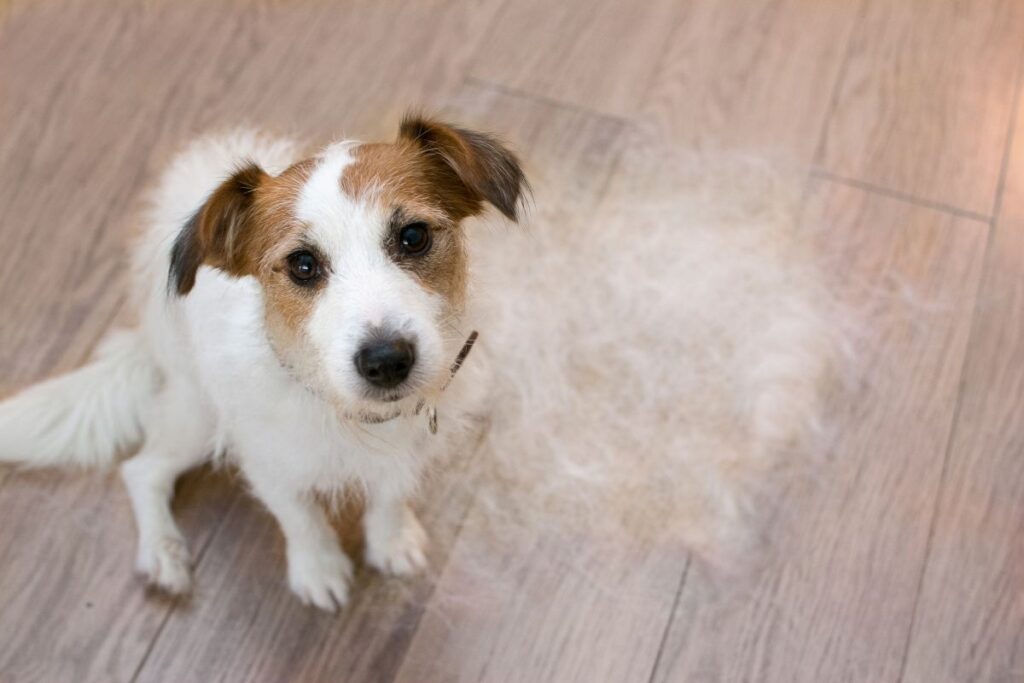
Most pet parents expect a certain amount of fur floating around their home, especially as the seasons change. Shedding is a natural process for many dogs and cats. But what happens when it goes beyond what’s typical? Excessive hair loss, itchy skin, or red patches might not just be part of your pet’s regular grooming cycle. In many cases, these can be early signs of a skin allergy.
Shedding vs. Something More
All pets shed to some extent. Short-haired breeds often drop small, consistent amounts of fur year-round, while long-haired animals may “blow” their coats seasonally. What’s not normal is sudden or severe hair loss, bald spots, scabs, or obsessive scratching. If your pet seems uncomfortable, or if their coat is thinning more than usual, it could be more than a seasonal issue—it could signal an underlying allergic reaction.
Common Allergens That Affect Pets
Just like humans, pets can develop allergies to environmental triggers, food ingredients, or even flea saliva. A trusted veterinarian can help identify the source of these reactions and recommend the right treatment plan. Common culprits include:
- Pollen from trees, grasses, and weeds (especially in spring and fall)
- Dust mites and mold spores inside the home
- Fleas, which can cause flea allergy dermatitis—a reaction to flea bites
- Food ingredients such as beef, dairy, chicken, wheat, or soy
- Household cleaners or grooming products with harsh chemicals
These allergens can irritate your pet’s skin and immune system, causing inflammation and discomfort that lead to hair loss and skin changes. A visit to a nearby veterinary clinic allows for proper evaluation, testing, and care tailored to your pet’s needs. With expert support from a trusted veterinary team, you can help your pet find relief and restore their comfort.
What to Watch For: Signs of a Skin Allergy
Skin allergies in pets often present in subtle ways before becoming more obvious. Keep an eye out for these symptoms:
- Persistent scratching or biting at specific areas like the paws, belly, ears, or tail base
- Red, inflamed skin or sores that don’t heal easily
- Dry, flaky, or scaly patches on the skin
- Foul odor from the skin, which could indicate a secondary infection
- Excessive licking or grooming, sometimes to the point of self-injury
- Noticeable hair thinning or bald spots, often symmetrical
- Frequent ear infections or head shaking
If you’re noticing any combination of these signs, it’s worth scheduling a wellness visit to have your pet evaluated.
How a Veterinarian Can Help
Diagnosing a pet’s skin allergies isn’t always straightforward. Many symptoms overlap with other conditions, such as fungal infections, mange, or hormonal imbalances. That’s why a thorough skin examination, and possibly further testing, is necessary.
Your vet might perform a skin scraping, allergy testing, or a diet trial to determine the source of the problem. Once the cause is identified, treatment can include:
- Topical or oral medications to relieve itching and inflammation
- Medicated shampoos or skin-support supplements
- Prescription diets or elimination trials for suspected food allergies
- Flea prevention products if flea allergy is diagnosed
- Environmental changes to reduce exposure to known allergens
The goal is not just to treat the symptoms but to manage the root cause for long-term comfort and health.
When to Schedule a Visit
While it’s tempting to try home remedies or over-the-counter treatments, these can sometimes mask symptoms or even worsen the condition. If your pet is shedding more than usual and shows any signs of skin discomfort, it’s best to consult your veterinarian during regular business hours. Early intervention can prevent the issue from progressing and give your pet faster relief.
A Final Thought for Pet Parents
Your pet can’t tell you when something’s wrong—but their skin and coat can. If you’ve noticed unusual shedding or skin irritation, don’t wait for it to get worse. A veterinary visit can help uncover what’s really going on and offer effective, personalized treatment to restore your pet’s comfort and well-being. With the right care, they’ll be back to their happy, tail-wagging (or purring) selves in no time.
Related Articles