
Every pet parent’s biggest fear is losing their beloved companion. No matter how diligent we are with leashes, fences, or ID tags, accidents can happen. A door may swing open, a fence may have a weak spot, or a curious pet might chase after something exciting. That’s where microchipping comes in—a simple, safe procedure that can truly be a lifesaver for lost pets. With guidance from a trusted veterinarian, you can give your furry friend the best chance of making it back home.
More Than Just a Tiny Chip
A microchip may be no bigger than a grain of rice, but it carries the power to reunite families. This small device, implanted underneath your pet’s skin, contains a unique identification number. When scanned by a shelter or veterinary clinic, the number links directly to your contact information in a secure database. Unlike collars or tags, which can fall off or fade, a microchip offers permanent identification that lasts a lifetime.
Why Collars Alone Are Not Enough
Collars and tags are important for quick identification, but they come with risks. A collar can break, get caught, or slip off during a pet’s adventure outdoors. If your pet is only relying on a collar, there’s a chance they may never make it home. Microchipping provides an essential backup plan, ensuring that even if collars fail, your pet’s identity never disappears.
How Microchipping Works Step by Step
Knowing how the process unfolds can ease your worries and help you feel more confident about the decision.
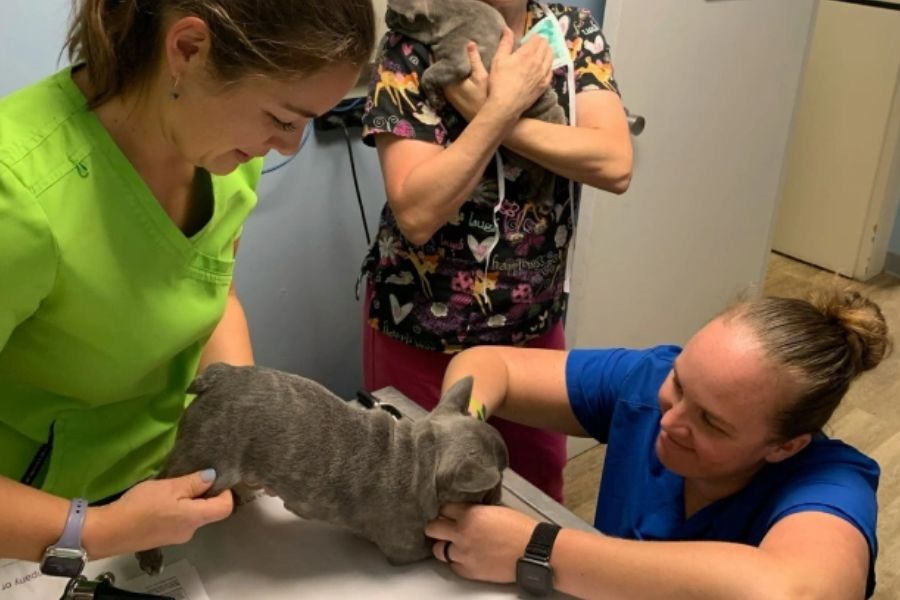
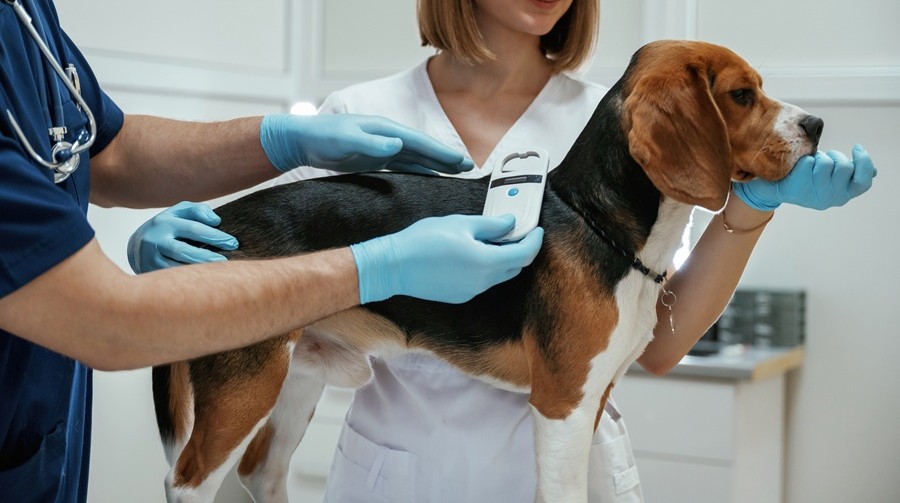
- A vet Seminole uses a sterile applicator to insert the microchip under your pet’s skin, typically between the shoulder blades.
- The procedure is quick, often less than 10 seconds, and feels similar to a routine vaccine shot.
- Once in place, the chip stays active for life with no need for recharging or replacing.
- You register your contact details in an official pet recovery database.
With this simple process, your pet gains permanent identification that cannot be lost or altered.
The Emotional Relief of Microchipping
Imagine the heartbreak of a lost pet. Days of searching, endless calls, and constant worry can feel unbearable. However, microchipping lightens that emotional burden. Pet owners often report that knowing their pet is microchipped brings peace of mind. While nothing replaces vigilance, microchipping offers reassurance that you have done everything possible to bring your companion home safely.
The Role of Your Veterinarian
Microchipping should always be done professionally to ensure safety and accuracy. A veterinarian Seminole not only handles the procedure but also guides you on how to complete the registration and keep your information current. Your vet may also explain how most shelters and clinics are equipped with scanners, which means the odds of your pet being identified and returned are significantly higher when microchipped.
Important Tips for Pet Owners After Microchipping
Getting the chip implanted is just the beginning. To make the system effective, you must take a few crucial steps:
- Register the ID number with your contact details immediately.
- Update your information if you move or change phone numbers.
- Ask your veterinarian or local shelter to scan the microchip once a year to confirm it’s still working.
These simple actions make the difference between a chip that helps and one that cannot be traced.
Microchipping: A Small Step with a Big Impact
Microchipping is painless, affordable, and a lifelong form of protection. While it may only take seconds to complete, its value stretches across your pet’s entire life. It’s not just a medical procedure—it’s a promise. A promise that you’re doing everything possible to bring them home if they ever wander too far. With the support of a compassionate veterinarian, you can turn this promise into reality.
FAQs
Q1. Does microchipping hurt my pet?
Ans. The procedure causes only minimal discomfort, similar to receiving a standard vaccination. It’s quick and usually stress-free for pets.
Q2. How old should my pet be before microchipping?
Ans. Most veterinarians recommend microchipping at the time of spaying or neutering, but it can safely be done on pets as young as 6 to 8 weeks old.
Q3. Can a microchip track my pet’s location like GPS?
Ans. No, a microchip does not track real-time location. It stores an ID number scanned by shelters or veterinary clinics.
Q4. How much does microchipping usually cost?
Ans. The cost is relatively low and varies by clinic. Many shelters and events even offer discounted services to make microchipping accessible.
Q5. Do microchips ever stop working?
Ans. Microchips are designed to last a lifetime. It’s still a good idea to have them scanned during routine visits with your veterinarian to ensure proper function.
Q6. What if I forget to update my contact details?
Ans. If your information is outdated, shelters cannot reach you. Always update your records after moving or changing phone numbers to keep the microchip effective.