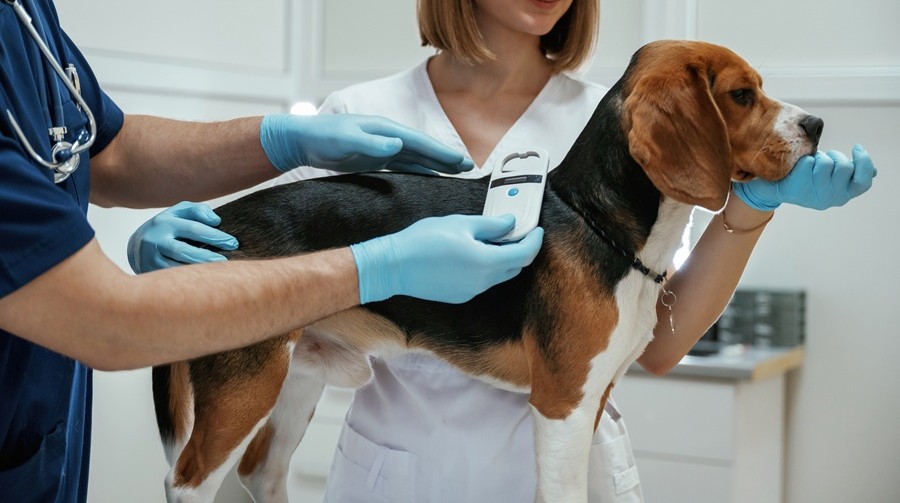

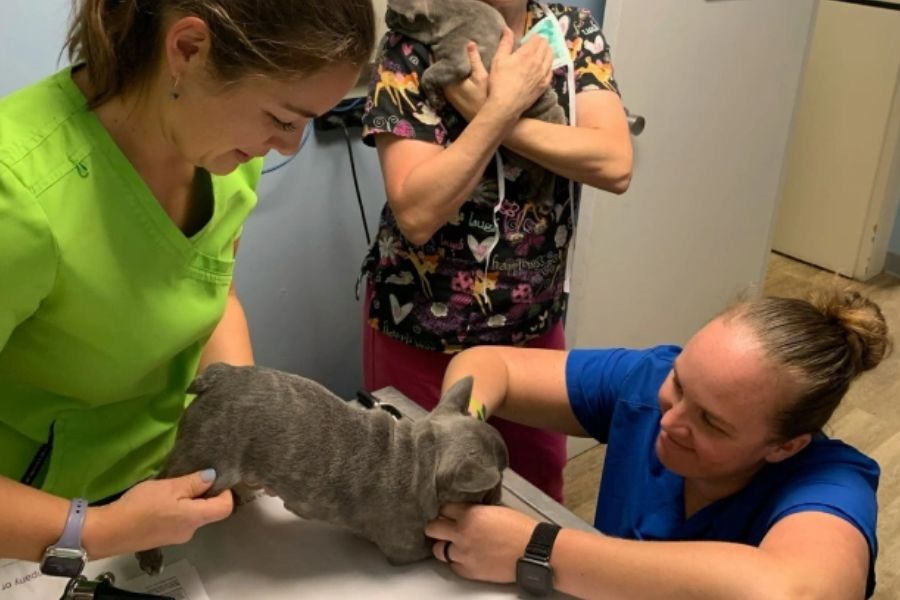
Every pet parent dreams of a life filled with joyful moments and tail wags. But ensuring a healthy, vibrant life for your pet takes more than treats and belly rubs. Preventive care, often overlooked, is the foundation of lifelong wellness for cats and dogs alike. Rather than waiting for illness to strike, pet wellness programs focus on early detection, routine care, and overall well-being.
Let’s dive into why preventive care matters—and how it can transform your pet’s health for the better.
The Power of Prevention: What Is Preventive Pet Care?
Preventive pet care is a proactive approach that involves regular veterinary visits, vaccinations, parasite control, dental cleanings, and tailored health screenings. Rather than reacting to sickness, it aims to detect potential issues early, before they become serious or costly.
Many pet parents only visit the vet when their pet shows signs of discomfort. However, by then, a condition may have already advanced. Regular wellness exams, on the other hand, allow veterinarians to catch changes in weight, behavior, or internal health before symptoms even appear.
Wellness Exams: More Than Just a Routine Check
At the heart of preventive care lies the wellness exam. This is more than a quick once-over. During a wellness visit, your veterinarian checks your pet’s:
- Heart and lungs
- Eyes, ears, and mouth
- Skin and coat
- Joints and muscles
- Weight and overall body condition
Blood work and urinalysis may also be recommended, especially for aging pets. These screenings help detect early signs of disease like diabetes, kidney dysfunction, or thyroid imbalances.
With the right preventive care in Seminole, FL, your pet can benefit from comprehensive care tailored to their breed, age, and lifestyle.
Vaccinations & Parasite Control: A Shield Against Threats
Vaccines are essential for protecting pets from highly contagious and dangerous diseases like rabies, distemper, and parvovirus. They’re not just for puppies and kittens—adult pets need booster shots too.
In addition, year-round protection from fleas, ticks, and heartworms is critical. These parasites can transmit harmful infections that severely impact your pet’s health.
Thankfully, preventive care includes scheduling these treatments regularly so your furry companion stays safe no matter the season.
Dental Health: The Hidden Link to Longevity
Did you know that poor dental hygiene can affect your pet’s heart, liver, and kidneys? Most pets over the age of three have some form of dental disease. Regular cleanings and at-home dental care can reduce the risk of gum disease, tooth loss, and secondary health problems.
Preventive care programs ensure dental health is not forgotten, because a clean mouth means a healthier body.
Nutrition, Exercise & Behavior: Whole-Pet Wellness
Preventive care isn’t just medical—it’s also about promoting a balanced lifestyle. Your vet can guide you on choosing the right diet, maintaining a healthy weight, and understanding your pet’s unique activity needs.
Sudden behavioral changes can also be signs of stress, pain, or illness. By staying on top of your pet’s mental and emotional wellness, you ensure a happier, more well-adjusted companion.
Cost-Saving Benefits of Preventive Pet Care
Many pet owners worry about the costs of routine checkups. But in reality, prevention is far more affordable than treating chronic illness or emergency conditions.
Think of it as an investment. Early detection and disease prevention mean fewer medications, surgeries, or hospital stays in the future. Pet wellness programs often bundle services at a discounted rate, making it easier for families to budget for care.
Your pet depends on you for more than love—they need proactive care to thrive. Preventive care through regular wellness programs isn’t just a medical checklist—it’s a commitment to your pet’s long-term happiness and comfort.
If you’re ready to give your pet the best life possible, talk to your local veterinarian about a personalized wellness plan today. A few simple steps now can lead to many more happy, healthy years together.
FAQs About Pet Wellness Programs and Preventive Care
Q1: How often should I take my pet for a wellness check?
A: Most veterinarians recommend at least one wellness exam per year for healthy adult pets. Senior pets or those with medical conditions may need visits every six months.
Q2: What’s included in a pet wellness program?
A: Typically, wellness programs include physical exams, vaccinations, diagnostic testing, dental cleanings, parasite prevention, and nutritional counseling.
Q3: Is preventive care really necessary if my pet seems healthy?
A: Absolutely. Many health issues develop silently. Regular wellness checks can catch problems early before symptoms become visible.
Q4: Can I customize a wellness program for my pet?
A: Yes. Most veterinarians tailor wellness programs based on your pet’s age, breed, lifestyle, and existing health conditions.
Q5: Will preventive care help my pet live longer?
A: Definitely. Pets receiving consistent preventive care tend to have a higher quality of life and may live significantly longer than those without it.
Q6: Are pet wellness programs expensive?
A: While there’s an upfront cost, wellness programs often save money long-term by avoiding costly emergency treatments or surgeries.