

Many pet owners shower their furry friends with love, nutritious food, and regular grooming—but often forget one critical area: dental health. Your pet’s mouth plays a huge role in their overall well-being. Neglecting it can lead to pain, infection, and even systemic diseases. Regular dental checkups not only keep your pet’s teeth sparkling but also protect their heart, kidneys, and liver from bacteria lurking below the gumline.
If you’re searching for expert care, a pet dentist can help you create a lasting oral care routine that ensures your pet’s smile remains bright and healthy.
Why Dental Checkups Are Essential for Pets
Dental care isn’t just about fresh breath—it’s about preventing major health issues that could shorten your pet’s lifespan. Many pets develop periodontal disease by age three, and the signs often go unnoticed until significant damage occurs.
During a dental checkup, your veterinarian or pet dentist will:
- Examine teeth and gums for tartar buildup or inflammation.
- Check for loose, broken, or missing teeth.
- Evaluate for bad breath, which often indicates oral bacteria.
- Perform dental X-rays if necessary to detect problems beneath the surface.
These visits help catch diseases early, saving your pet from unnecessary pain and helping you avoid costly treatments later. Transitioning to consistent dental care habits can drastically transform your pet’s health and comfort.
Hidden Dangers of Skipping Dental Visits
When dental issues go unchecked, bacteria from the mouth can travel through your pet’s bloodstream, affecting vital organs. This condition—known as bacteremia—poses serious risks. Chronic oral infections can contribute to heart valve disease, kidney failure, and even liver complications.
Common dental problems include:
- Gingivitis and periodontal disease
- Tooth root abscesses
- Plaque and tartar buildup
- Tooth fractures from chewing on hard toys or bones
With regular checkups, your pet dentist in Seminole can identify and treat these problems before they escalate, ensuring your furry companion remains comfortable and healthy for years to come.
How to Start Your Pet’s Dental Care Routine
Starting dental care doesn’t have to be overwhelming. With patience and consistency, you can make it part of your pet’s daily routine.
- Schedule a Professional Dental Exam
Begin by booking an appointment with a pet dentist. A professional cleaning under anesthesia removes tartar buildup that brushing alone can’t tackle. - Choose Pet-Safe Toothpaste and Brushes
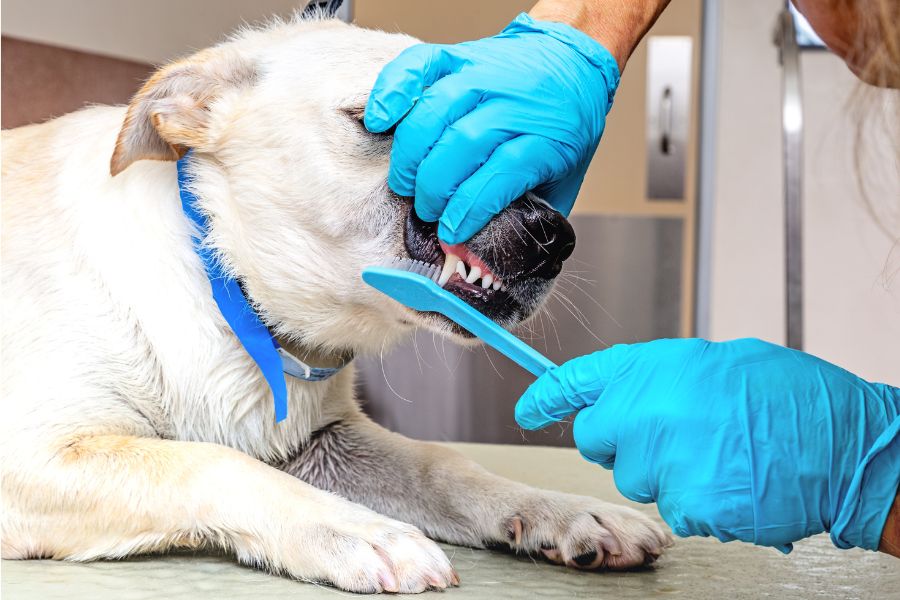
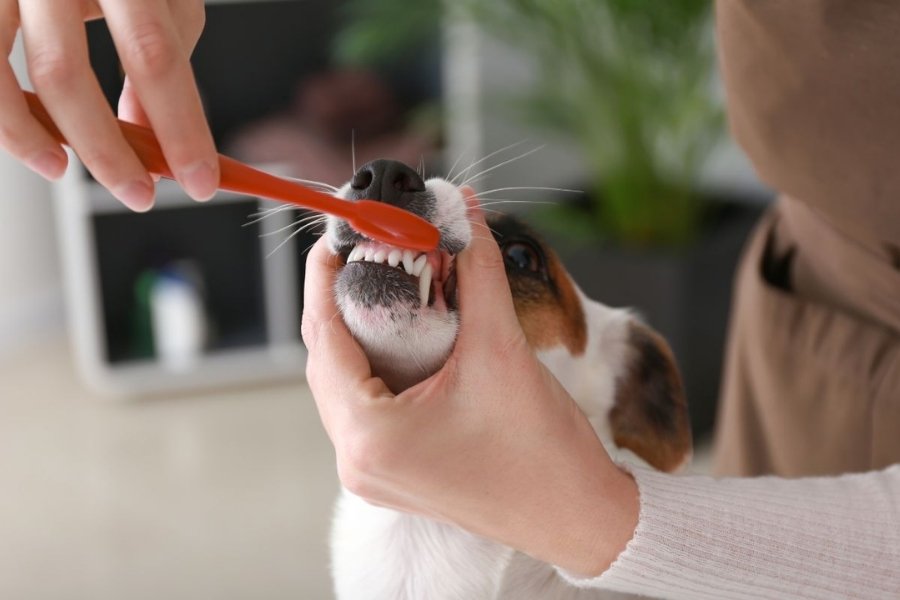
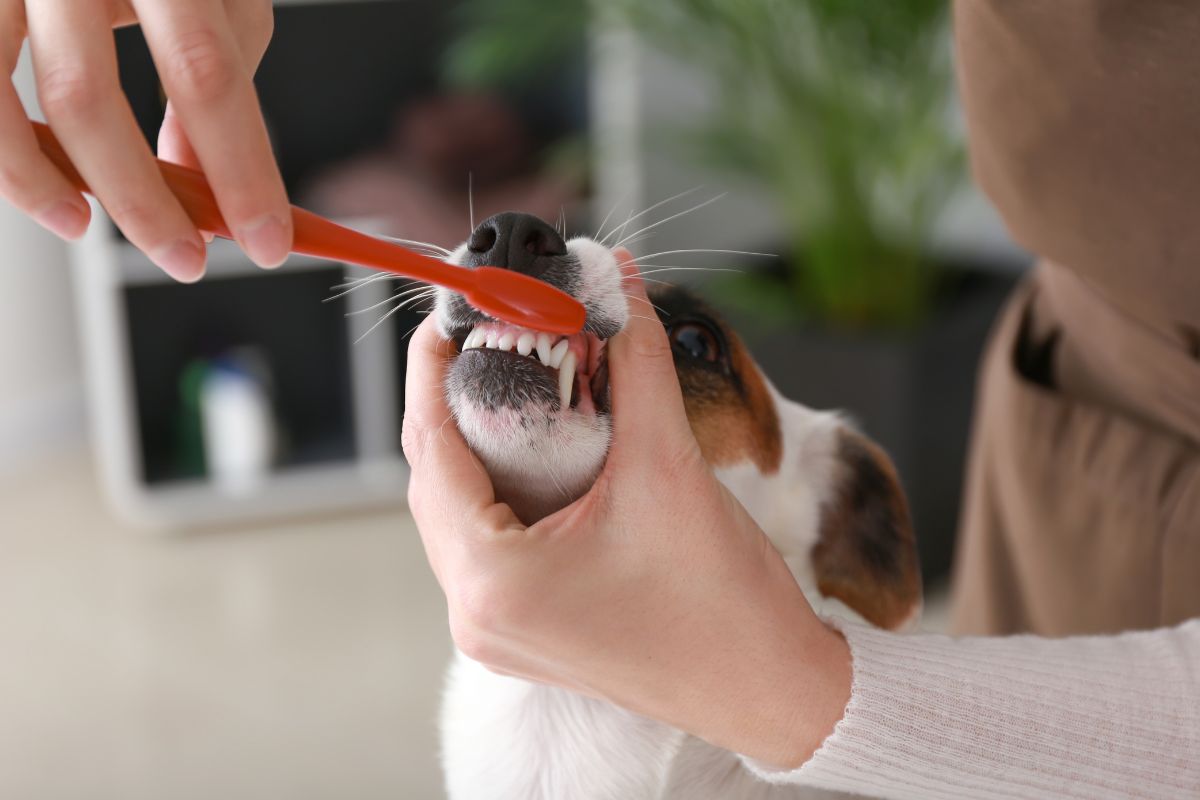
Never use human toothpaste—fluoride and xylitol can be toxic to animals. Choose a soft-bristled pet toothbrush or a finger brush designed for cats and dogs. - Make Brushing Time Fun
Introduce brushing gradually. Start by letting your pet taste the toothpaste, then slowly introduce the brush. Use rewards and praise to create a positive experience. - Incorporate Dental Treats and Chews
Give your pet dental chews approved by the Veterinary Oral Health Council (VOHC). These treats help reduce plaque and encourage chewing for better gum health. - Provide a Balanced Diet
A well-balanced diet supports strong teeth and healthy gums. Ask your veterinarian if a dental prescription diet would benefit your pet. - Schedule Regular Checkups
Just like humans, pets need regular dental exams—typically once a year. Older pets or breeds prone to dental disease may require more frequent visits.
Signs Your Pet Might Need a Dental Checkup
Your pet can’t tell you when something hurts, but you can spot the warning signs. Look for:
- Persistent bad breath
- Drooling or pawing at the mouth
- Difficulty eating or chewing
- Red, swollen gums or bleeding
- Loose or discolored teeth
If you notice any of these symptoms, it’s best to schedule a dental appointment right away. Ignoring these signs can lead to severe infections and pain.
The Lifelong Benefits of Proper Dental Care
Routine dental care can significantly improve your pet’s quality of life. Healthy teeth allow them to eat comfortably, play happily, and live longer. Consistent dental hygiene also strengthens the bond between you and your furry companion, as regular brushing becomes a trust-building activity.
By working with a pet dentist, you can set your pet up for a healthier, happier life filled with sparkling smiles and fewer vet visits.
FAQs about Pet Dental Checkups
Q1. How often should my pet have a dental checkup?
Ans. Most veterinarians recommend at least one dental exam per year, but pets prone to oral disease might need cleanings every six months.
Q2. Is anesthesia safe during pet dental cleanings?
Ans. Yes. Modern anesthesia protocols are very safe, especially when your veterinarian conducts pre-anesthetic bloodwork and monitoring.
Q3. Can I clean my pet’s teeth at home?
Ans. Absolutely! Daily brushing, dental chews, and diets all of them contribute to better oral hygiene between professional cleanings.
Q4. What happens during a professional dental cleaning?
Ans. Your vet or pet dentist removes plaque and tartar, checks for loose or broken teeth, and may take X-rays to assess root health.
Q5. Are there special toothbrushes for cats and dogs?
Ans. Yes, you can buy pet-specific brushes—either long-handled or finger brushes that fit snugly on your fingertip for easy control.
Q6. What if my pet resists toothbrushing?
Ans. Go slowly, use treats, and maintain patience. Start by rubbing their gums gently, then introduce the brush once they’re comfortable.