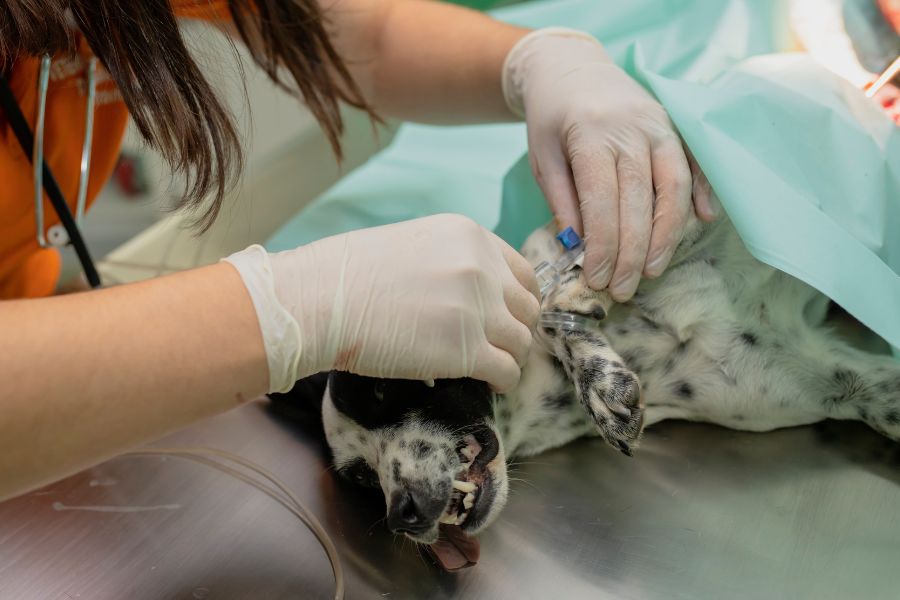


When your pet needs a long or complex surgical procedure, anesthesia plays a critical role in ensuring comfort, safety, and pain control. Many pet owners worry about pet anesthesia risks, potential complications, and how their companion will recover afterward. This guide explains how veterinary anesthesia works during lengthy surgeries, what side effects to expect, and how proper pet surgery care supports a smooth recovery.
Understanding Anesthesia in Pets
Anesthesia allows veterinarians to perform surgical procedures safely by rendering pets unconscious, pain-free, and immobile. For lengthy surgeries such as orthopedic repairs, tumor removals, or internal procedures carefully managed anesthesia is essential to maintain stable vital functions throughout the operation.
Modern veterinary anesthesia has advanced significantly. With detailed pre-operative screening, precise drug dosing, and continuous monitoring, the overall safety of anesthesia in pets has improved dramatically. However, understanding the process helps reduce anxiety and ensures you know what to expect before, during, and after surgery.
Why Lengthy Surgical Procedures Require Special Anesthetic Care
Longer surgeries place additional demands on a pet’s body. Anesthesia must be maintained at a consistent level for extended periods while ensuring proper oxygen delivery, blood pressure, and temperature regulation.
During lengthy procedures, veterinarians focus on:
- Maintaining stable heart and respiratory rates
- Preventing drops in body temperature
- Managing fluid balance
- Minimizing anesthesia side effects
This extra level of oversight reduces pet anesthesia risks and supports safer surgical outcomes.
Pre-Anesthetic Evaluation: Reducing Pet Anesthesia Risks
Before anesthesia is administered, your veterinarian performs a comprehensive evaluation. This step is critical in identifying potential risks and tailoring the anesthetic plan to your pet’s individual needs.
Common Pre-Anesthetic Assessments
- Physical examination: Evaluates heart, lungs, and overall health
- Blood work: Checks liver, kidney, and red blood cell function
- Age and breed considerations: Senior pets and certain breeds may require adjustments
- Medical history review: Identifies chronic conditions or prior anesthesia reactions
These assessments significantly reduce the likelihood of complications and help ensure anesthesia is as safe as possible for your pet.
Types of Anesthesia Used in Lengthy Surgeries
Veterinarians select anesthesia based on the procedure’s duration, complexity, and the pet’s health status. Often, a balanced approach is used.
Common Anesthetic Components
- Pre-medication: Reduces anxiety and pain before induction
- Induction agents: Quickly bring the pet into unconsciousness
- Inhalant anesthesia: Maintains anesthesia during long procedures
- Local or regional blocks: Lower the amount of general anesthesia needed
Using multiple agents together allows for better pain control while minimizing overall drug exposure and reducing anesthesia side effects.
What Happens During Anesthesia Monitoring
Continuous monitoring is the cornerstone of safe anesthesia, especially during lengthy procedures. A dedicated veterinary professional tracks vital parameters in real time.
Vital Signs Monitored Include
- Heart rate and rhythm
- Blood pressure
- Oxygen saturation
- Carbon dioxide levels
- Body temperature
Advanced monitoring equipment alerts the surgical team to even subtle changes, allowing immediate adjustments to keep your pet stable throughout surgery.
Common Pet Anesthesia Risks and How They Are Managed
While anesthesia is generally safe, no medical procedure is entirely risk-free. Understanding potential issues can help you feel more prepared.
Potential Pet Anesthesia Risks
- Mild drops in blood pressure
- Temporary changes in heart rate
- Delayed recovery from anesthesia
- Rare allergic or adverse reactions
Veterinary teams mitigate these risks through pre-surgical screening, individualized anesthetic plans, and continuous monitoring during the procedure.
Anesthesia Side Effects to Expect After Surgery
Most anesthesia side effects are temporary and resolve within hours to days. Knowing what is normal versus concerning is important for post-operative care.
Common Anesthesia Side Effects
- Grogginess or disorientation
- Shivering or mild trembling
- Decreased appetite for 24 hours
- Mild nausea
These effects are typically short-lived. If symptoms persist or worsen, contacting your veterinarian is recommended.
Recovery After Lengthy Surgical Procedures
Recovery from anesthesia may take longer after extended surgeries. Pets often need extra rest and close observation during the first 24–48 hours.
What to Expect During Recovery
- Longer sleep periods
- Reduced activity levels
- Gradual return to normal behavior
Providing a quiet, warm environment helps your pet recover comfortably while their body clears the anesthetic agents.
Essential Pet Surgery Care at Home
Proper pet surgery care plays a major role in recovery after anesthesia and surgery. Following post-operative instructions carefully reduces complications and promotes healing.
Key At-Home Care Tips
- Restrict activity as directed
- Administer medications exactly as prescribed
- Monitor the incision for swelling or discharge
- Ensure adequate hydration and nutrition
Avoid allowing your pet to lick or chew surgical sites, as this can delay healing and increase infection risk.
Special Considerations for Senior Pets
Older pets may metabolize anesthetic drugs more slowly, making recovery slightly longer. However, age alone does not automatically increase risk when proper precautions are taken.
Veterinarians often adjust:
- Drug selection and dosage
- Monitoring intensity
- Post-operative pain management
With appropriate planning, senior pets can safely undergo lengthy surgical procedures when medically necessary.
The Role of Pain Management in Anesthesia Safety
Effective pain control reduces the amount of anesthesia required and improves overall recovery. Multimodal pain management is commonly used in long procedures.
This approach may include:
- Injectable pain medications
- Local anesthetics
- Oral medications during recovery
Good pain control not only improves comfort but also supports faster healing and better surgical outcomes.
How Veterinary Teams Minimize Anesthesia Side Effects
Veterinary professionals continuously refine protocols to limit anesthesia side effects and improve patient safety. Advances in equipment, drugs, and training have significantly reduced complication rates.
Key strategies include:
- Using the lowest effective anesthetic dose
- Employing warming devices during surgery
- Adjusting anesthesia levels in real time
These measures ensure pets remain stable and comfortable throughout lengthy procedures.
When to Contact Your Veterinarian After Surgery
While mild side effects are normal, certain signs require prompt veterinary attention.
Contact your veterinarian if you notice:
- Persistent vomiting or diarrhea
- Difficulty breathing
- Extreme lethargy beyond 48 hours
- Swelling, bleeding, or discharge from the incision
Early intervention helps address issues before they become serious.
Conclusion
Anesthesia is a vital component of modern veterinary surgery, especially during lengthy procedures that require precise control and continuous monitoring. Understanding pet anesthesia risks, expected anesthesia side effects, and proper Veterinary surgery care can help you feel confident and prepared when your pet needs surgery. If you are in Seminole, Florida, and seeking experienced, attentive surgical care for your pet, Oakhurst Veterinary Hospital is committed to providing safe anesthesia protocols, advanced monitoring, and compassionate support throughout every stage of treatment.
FAQs
Q1: Are lengthy surgical procedures riskier for pets under anesthesia?
Longer procedures require more monitoring, but with modern equipment and protocols, anesthesia can be safely maintained for extended periods.
Q2: How long does it take for anesthesia side effects to wear off in pets?
Most pets recover within 12–24 hours, though some may remain slightly groggy for up to 48 hours after lengthy surgeries.
Q3: What are the most common pet anesthesia risks?
The most common risks include temporary changes in blood pressure, heart rate, or delayed recovery, all of which are closely monitored.
Q4: How can I support my pet’s recovery after anesthesia?
Provide a quiet space, limit activity, follow medication instructions, and monitor for any unusual symptoms during recovery.
Q5: Is anesthesia safe for older pets needing long surgeries?
Yes, when proper pre-anesthetic screening and tailored protocols are used, senior pets can safely undergo lengthy surgical procedures.