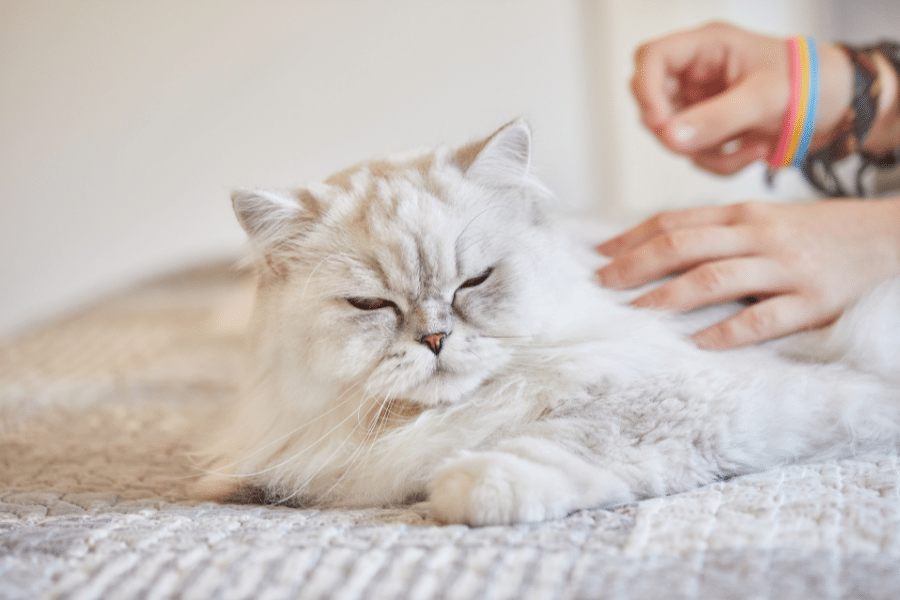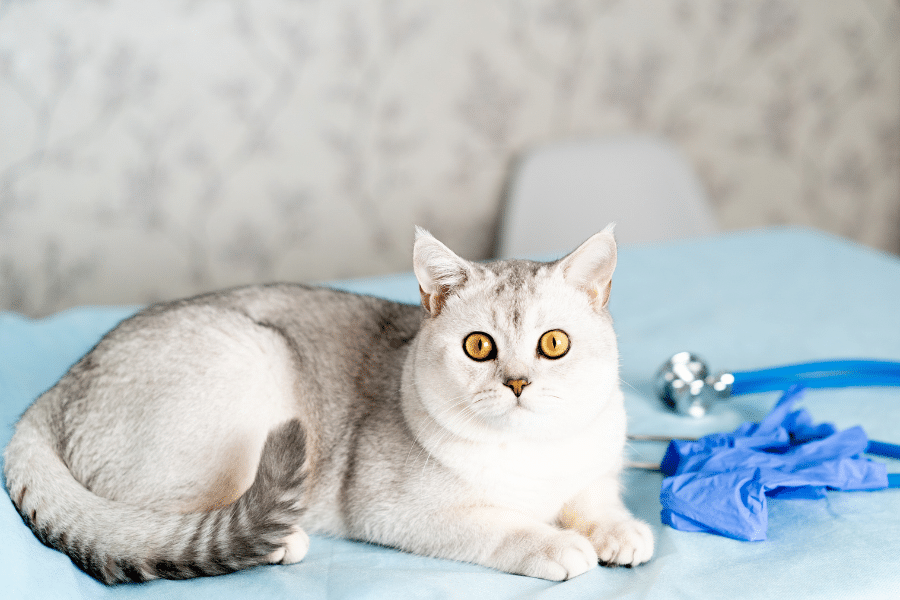


A temporary loss of appetite in pets can happen for many reasons, but when your dog or cat is not eating properly for several days, it should never be ignored. Poor appetite can be a sign of stress, digestive upset, dental problems, infections, or more serious underlying conditions that require prompt medical attention.
In this guide, you’ll learn why pets stop eating, which warning signs require an urgent vet visit, and how to tell the difference between a minor issue and a potentially serious health problem.
Why Is My Pet Not Eating?
A reduced appetite or complete refusal to eat is known as anorexia in veterinary medicine. While some pets may skip a meal occasionally, several days of poor eating can quickly affect their health.
Common causes include:
- Stomach upset
- Dental pain
- Stress or anxiety
- Changes in diet
- Parasites
- Infections
- Kidney or liver disease
- Pancreatitis
- Intestinal blockages
- Chronic illnesses
Some causes are mild and temporary, while others require immediate treatment.
How Long Can a Pet Go Without Eating?
Healthy adult pets may occasionally miss a meal without concern. However, prolonged loss of appetite should not be ignored.
Dogs
- Missing one meal is usually not an emergency.
- Poor appetite lasting more than 24 to 48 hours warrants veterinary attention.
- Puppies can become weak much faster and should be evaluated sooner.
Cats
Cats are particularly sensitive to not eating. Going without food for even a couple of days may lead to serious liver problems.
If your cat refuses food for more than 24 hours, contact your veterinarian promptly.
Common Reasons Dogs and Cats Stop Eating
Dental Problems
Painful teeth, inflamed gums, or oral infections can make chewing uncomfortable.
Signs include:
- Drooling
- Bad breath
- Pawing at the mouth
- Eating only soft foods
Digestive Problems
Upset stomach, pancreatitis, or intestinal inflammation may cause nausea and loss of appetite.
You might notice:
- Vomiting
- Diarrhea
- Abdominal pain
- Lethargy
Stress and Anxiety
Pets may eat less after:
- Moving to a new home
- Boarding
- Changes in routine
- Introduction of a new pet
- Loud noises or storms
Most stress-related appetite changes improve within a day or two.
Chronic Illness
Kidney disease, diabetes, liver disease, and other medical conditions can affect appetite gradually.
Signs often include:
- Increased thirst
- Weight loss
- Weakness
- Changes in urination
Signs That Require an Urgent Vet Visit
A pet that isn’t eating for several days should always be evaluated, especially when accompanied by other symptoms.
Seek veterinary care immediately if your pet has:
- Vomiting repeatedly
- Severe diarrhea
- Extreme lethargy
- Difficulty breathing
- Abdominal swelling
- Blood in vomit or stool
- Sudden weight loss
- Pale gums
- Excessive drooling
- Trouble swallowing
- Signs of pain
- Collapse or weakness
These symptoms may indicate a serious condition that requires urgent treatment.
Puppies and Kittens Need Faster Attention
Young pets can become dehydrated and develop low blood sugar quickly.
Contact your veterinarian promptly if a puppy or kitten:
- Skips multiple meals
- Appears weak or sleepy
- Vomits repeatedly
- Has diarrhea
- Refuses water
Early treatment is especially important for young animals.
What You Can Do at Home
While waiting for your appointment, you can encourage eating by:
- Offering fresh water at all times.
- Warming food slightly to enhance the aroma.
- Providing bland, easy-to-eat meals if recommended by your veterinarian.
- Feeding in a quiet, stress-free environment.
- Monitoring urination and bowel movements.
Avoid these mistakes
- Do not force-feed your pet.
- Do not give human medications.
- Do not change foods repeatedly.
- Do not wait too long if symptoms are worsening.
A delay in treatment can make some conditions more serious.
How Veterinarians Diagnose Loss of Appetite
Your veterinarian will begin with a physical examination and review your pet’s recent history.
Depending on the symptoms, diagnostic tests may include:
- Blood work
- Urinalysis
- Fecal testing
- Dental examination
- X-rays
- Ultrasound imaging
These tests help identify the underlying cause and guide treatment.
Treatment Depends on the Cause
Once the reason for poor appetite is determined, treatment may include:
- Fluid therapy for dehydration
- Medications to control nausea
- Dental treatment
- Dietary adjustments
- Treatment for infections
- Surgery for intestinal blockages
- Management of chronic diseases
Most pets recover well when problems are diagnosed early.
Preventing Appetite Problems
While some illnesses cannot be prevented, these habits help support overall health:
- Feed a balanced diet.
- Keep a consistent feeding schedule.
- Schedule routine veterinary examinations.
- Monitor changes in eating habits.
- Maintain dental health.
- Reduce stress whenever possible.
- Watch for gradual weight loss or behavior changes.
Knowing your pet’s normal eating pattern makes it easier to recognize problems early.
When to Call the Vet Right Away
Contact your veterinarian immediately if:
- Your cat has not eaten for 24 hours.
- Your dog refuses food for more than 48 hours.
- Your pet is also vomiting or having diarrhea.
- Your pet seems painful or weak.
- A puppy or kitten stops eating.
- There is sudden weight loss or dehydration.
When it comes to appetite loss, it is always safer to seek professional advice sooner rather than later.
Conclusion
If your pet is not eating properly for several days, don’t assume it will resolve on its own. Loss of appetite is often one of the earliest signs that something is wrong. Prompt veterinary care from your veterinarian near you at Oakhurst Veterinary Hospital in Seminole, FL can help identify the cause before it becomes more serious and improve your pet’s chances of a quick recovery. If your dog or cat has been eating poorly or showing concerning symptoms, contact us at 727-391-9784 or book an appointment at Oakhurst Veterinary Hospital in Seminole, FL to seek urgent care.
FAQs
Q1: How long is too long for a dog to go without eating?
Most adult dogs should be evaluated if they refuse food for more than 24 to 48 hours, especially if they show other symptoms such as vomiting or lethargy.
Q2: Should I worry if my cat hasn’t eaten in two days?
Yes. Cats are particularly vulnerable to complications from not eating. A cat that refuses food for more than 24 hours should be seen by a veterinarian promptly.
Q3: Can stress cause my pet to stop eating?
Yes. Changes in routine, travel, new pets, or anxiety can temporarily reduce appetite. However, prolonged appetite loss should always be evaluated.
Q4: What should I feed a pet that isn’t eating well?
Offer fresh water and speak with your veterinarian before making significant diet changes. Warming food or providing easily digestible meals may help, depending on the cause.
Q5: When is loss of appetite considered an emergency?
Loss of appetite becomes urgent when it lasts several days or occurs along with vomiting, diarrhea, weakness, pain, breathing difficulty, or dehydration. Early veterinary care can prevent serious complications.