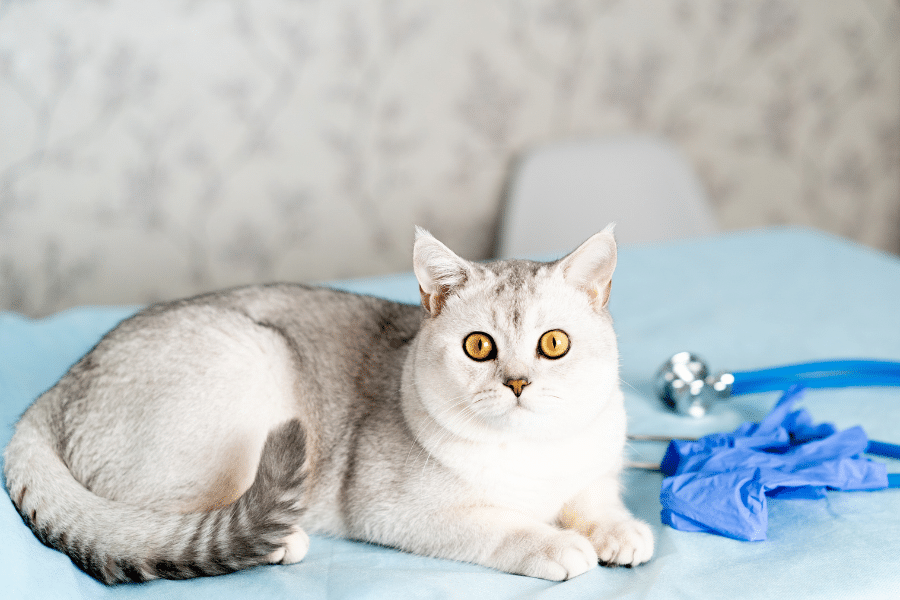


Ear infections are one of the most common reasons dogs and cats visit the veterinarian. While some cases cause mild discomfort, others can quickly become painful and lead to serious complications if left untreated. Recognizing the signs early can help protect your pet’s hearing, comfort, and overall health. In this guide, you’ll learn about the causes of ear infections in pets, common symptoms, warning signs that require urgent care, treatment options, and ways to help prevent future ear problems.
What Causes Ear Infections in Pets?
Ear infections occur when bacteria, yeast, inflammation, or other irritants affect the ear canal. Dogs are more commonly affected, especially breeds with floppy ears, but cats can also develop infections.
Common causes include:
- Allergies
- Excess moisture from swimming or bathing
- Ear mites, especially in kittens and cats
- Excess earwax buildup
- Foreign objects, such as grass seeds
- Hormonal conditions
- Skin disorders
- Growths or polyps inside the ear canal
Because many underlying conditions can contribute to ear problems, identifying the cause is important for successful treatment.
Common Signs of Ear Infections in Pets
Symptoms may start mildly and worsen over time.
Watch for these signs:
- Frequent head shaking
- Scratching at the ears
- Redness inside the ear
- Swelling around the ear canal
- A strong or unpleasant odor
- Brown, yellow, or black discharge
- Pain when the ears are touched
- Tilting the head to one side
- Whining or signs of discomfort
- Loss of balance
Some pets may simply become quieter, less playful, or reluctant to eat because of pain.
Are Ear Infections an Emergency?
Not every ear infection is an emergency, but some situations require immediate veterinary attention.
Mild infections
Pets with mild symptoms may have:
- Occasional scratching
- Slight redness
- Minimal discharge
- Normal energy levels
These cases should still be evaluated promptly before they become more severe.
Urgent situations
Seek veterinary care immediately if your pet experiences:
- Severe pain or crying
- Continuous head shaking
- Loss of balance or stumbling
- Walking in circles
- Sudden hearing loss
- Excessive swelling
- Bleeding from the ear
- Thick or foul-smelling discharge
- Fever or lethargy
- Loss of appetite
These signs may indicate a deep infection or involvement of the inner ear, which requires urgent treatment.
Why Prompt Treatment Matters
Ignoring ear infections can lead to complications that are much harder to treat.
Potential problems include:
- Chronic infections
- Permanent hearing loss
- Ruptured eardrums
- Facial nerve damage
- Balance problems
- Severe pain and inflammation
- Narrowing of the ear canal from repeated infections
Early treatment often leads to faster recovery and less discomfort for your pet.
Ear Infections in Dogs
Dogs are especially prone to ear infections because of their ear structure and lifestyle.
Certain breeds are more susceptible, including:
- Cocker Spaniels
- Labrador Retrievers
- Golden Retrievers
- Basset Hounds
- Poodles
Swimming, allergies, and excess moisture can increase the risk.
Signs commonly seen in dogs
- Rubbing ears on furniture or carpets
- Head shaking after walks or baths
- Strong odor from the ears
- Sensitivity when touched
Repeated infections may signal an underlying allergy or skin issue that needs further evaluation.
Ear Infections in Cats
Cats experience ear infections less frequently than dogs, but they can still develop painful ear problems.
Common causes include:
- Ear mites
- Allergies
- Polyps
- Bacterial infections
- Yeast overgrowth
Symptoms in cats
- Excessive scratching
- Head tilting
- Dark debris in the ear canal
- Irritability
- Sensitivity around the head and neck
Kittens are particularly susceptible to ear mites, which can spread easily between pets.
How Veterinarians Diagnose Ear Infections
A complete examination helps determine the cause and severity of the infection.
Your veterinarian may perform:
- Physical examination
- Ear canal inspection with an otoscope
- Microscopic examination of ear debris
- Cytology testing to identify yeast or bacteria
- Additional testing for chronic or recurring infections
Proper diagnosis allows treatment to target the specific cause.
Treatment Options for Ear Infections in Pets
Treatment depends on the type and severity of the infection.
Common therapies include:
- Professional ear cleaning
- Medicated ear drops
- Anti-inflammatory medications
- Antibiotics when necessary
- Treatment for allergies or underlying conditions
- Removal of foreign objects
Most uncomplicated infections improve within one to two weeks when treated early.
Avoid Home Remedies
Never place hydrogen peroxide, alcohol, essential oils, or over-the-counter products into your pet’s ears without veterinary guidance. Some substances can worsen irritation or damage sensitive structures inside the ear.
How to Prevent Ear Infections
Preventive care can reduce the risk of recurring problems.
Helpful tips include:
- Check your pet’s ears regularly
- Dry ears thoroughly after swimming or bathing
- Use veterinarian-recommended ear cleaners when advised
- Manage allergies promptly
- Keep grooming appointments if your pet has excessive hair around the ears
- Schedule regular wellness exams
Routine monitoring helps catch small problems before they become painful infections.
When to Contact an Urgent Care Veterinarian
You should seek urgent veterinary care if your pet:
- Cannot stop scratching or shaking its head
- Appears to be in severe pain
- Has swelling around the ear
- Develops balance problems or disorientation
- Has bleeding or heavy discharge
- Suddenly loses hearing
- Becomes lethargic or refuses food
Prompt treatment by your Seminole veterinarian can prevent complications and provide much-needed relief.
Conclusion
Ear infections in pets are painful conditions that should never be ignored. While mild cases may start with simple itching or head shaking, severe infections can affect balance, hearing, and quality of life. Recognizing the warning signs and seeking timely veterinary care can make a significant difference in your pet’s recovery. If your dog or cat is showing symptoms of an ear infection, contact us at 727-391-9784 at Oakhurst Veterinary Hospital in Seminole, FL, and get your companion feeling better as soon as possible.
FAQs
Q1: How do I know if my pet’s ear infection is serious?
Signs such as severe pain, loss of balance, heavy discharge, swelling, bleeding, or lethargy indicate that urgent veterinary care is needed.
Q2: Can ear infections in pets go away on their own?
Most ear infections do not resolve without treatment. Delaying care can lead to chronic infections and more serious complications.
Q3: Why does my dog keep getting ear infections?
Recurring ear infections are often linked to allergies, moisture buildup, excessive ear wax, or underlying skin conditions that require long-term management.
Q4: Should I clean my pet’s ears at home during an infection?
Avoid cleaning your pet’s ears without veterinary guidance. Improper cleaning or home remedies may worsen irritation and delay healing.
Q5: Can ear infections cause hearing loss in pets?
Yes. Untreated or severe ear infections can damage structures inside the ear and may result in temporary or permanent hearing loss.