

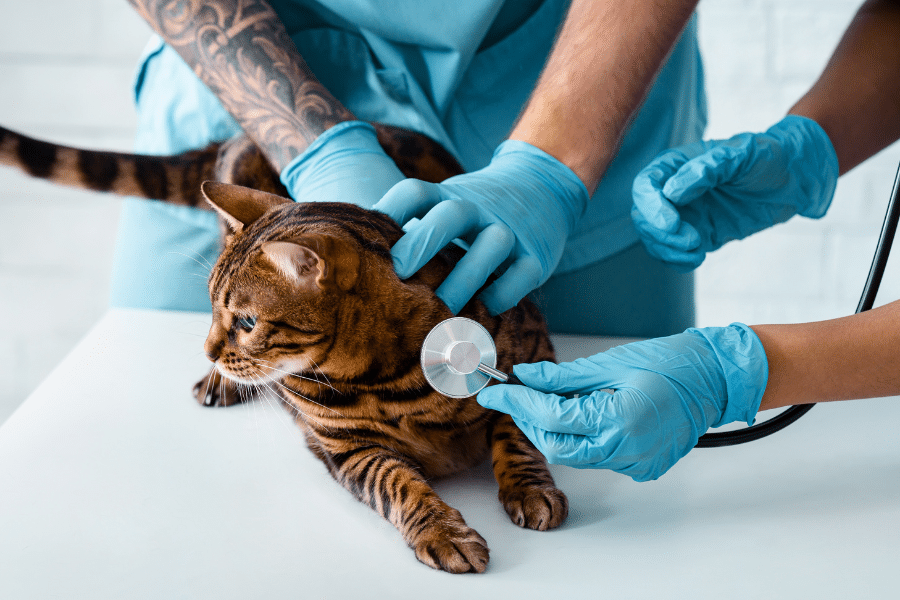
When a cat is diagnosed with a long-term health condition, everyday life may start to look a little different. Your cat might need medication, a special diet, more frequent checkups, or extra help with daily activities. It is natural to have questions about what to do at home and how to tell whether your cat is feeling well.
Many cats with chronic illnesses can still enjoy a good quality of life with thoughtful care and regular veterinary support. The key is to understand your cat’s condition, follow a care plan, and notice changes before they become harder to manage. Oakhurst Veterinary Center in Seminole, FL, encourages cat owners to work closely with their veterinarian and build routines that support comfort, nutrition, and daily well-being. Here is how you can help your cat feel supported while living with a long-term condition.
What Is the Best Way to Care for a Cat With a Chronic Illness?
The best way to care for a cat with a chronic illness is to follow a veterinarian-guided plan that fits your cat’s condition, age, and daily needs. Consistent medication, suitable nutrition, regular monitoring, and routine veterinary visits can help manage symptoms and support quality of life.
A chronic illness is a health condition that lasts for a long time and may require ongoing management. Examples in cats include chronic kidney disease, diabetes, arthritis, heart disease, and some digestive conditions. Each illness affects cats differently, so the care plan should be based on your cat rather than a general set of rules.
Start by understanding the main goals of your cat’s treatment. Your veterinarian may aim to control symptoms, maintain a healthy weight, support organ function, reduce discomfort, or slow the progression of a condition where possible.
Helpful daily habits include:
- Giving prescribed medication exactly as directed.
- Offering food that suits your cat’s health needs.
- Keeping fresh water easy to reach.
- Watching for changes in appetite, thirst, energy, and litter box habits.
- Making resting areas comfortable and easy to access.
- Keeping follow-up appointments and recommended tests.
- Contacting your veterinarian when symptoms change.
Try to keep your cat’s daily routine predictable. Cats often feel more secure when meals, medication, rest, and play happen at familiar times. A simple written schedule can also help everyone in the household follow the same care plan.
Remember that managing a chronic condition does not always mean eliminating every symptom. It often means keeping your cat comfortable, maintaining normal activities as much as possible, and adjusting treatment as their needs change.
What Are Common Chronic Illnesses in Cats?
Chronic illnesses can affect different parts of a cat’s body. Some develop gradually, while others may become noticeable when a cat’s usual habits change. Knowing the general signs of common conditions can help you understand what to monitor at home.
| Condition | Possible signs | Helpful care considerations |
| Chronic kidney disease | Increased thirst, frequent urination, reduced appetite, weight loss | Follow dietary and monitoring advice from your veterinarian |
| Diabetes | Increased thirst and urination, weight loss, changes in appetite | Keep medication, meals, and monitoring consistent |
| Arthritis | Stiffness, reduced jumping, difficulty using stairs | Provide easy access to food, water, resting spots, and litter boxes |
| Heart disease | Reduced activity, weakness, changes in breathing | Follow the recommended examination and monitoring plan |
| Chronic digestive disease | Vomiting, diarrhea, appetite changes, weight loss | Track symptoms and follow dietary recommendations |
| Hyperthyroidism | Weight loss despite eating well, restlessness, increased thirst | Keep follow-up tests and treatment reviews on schedule |
These signs can overlap with other illnesses, so they do not confirm a diagnosis by themselves. A cat that loses weight, drinks more water, or becomes less active should be assessed by a veterinarian rather than treated based on a symptom list.
Some conditions can be managed with medication, dietary changes, or other ongoing treatment. Others may need several approaches at once. Your veterinarian can explain what to expect, which signs matter most, and how often your cat should return for reassessment.
How Can You Make Daily Life Easier for a Sick Cat?
Small changes around the home can make a meaningful difference, especially when a cat has pain, reduced mobility, or low energy. Aim to make your cat’s essential activities simple and comfortable without taking away their independence.
Consider these adjustments:
- Choose an easy-to-reach litter box. A low entry can help cats with stiff joints or reduced strength.
- Place food and water nearby. Avoid making your cat climb stairs or jump onto high surfaces to reach necessities.
- Provide comfortable resting spots. Use soft bedding in quiet areas where your cat can relax without being disturbed.
- Add gentle steps or ramps. These can help cats reach favorite furniture without jumping.
- Keep the environment predictable. Avoid moving essential items around unnecessarily.
- Offer gentle interaction. Let your cat choose whether to play, cuddle, or rest.
- Keep litter boxes clean. A clean, accessible box makes it easier to notice changes in bathroom habits.
Cats often hide discomfort, so changes in behavior may be subtle. Your cat may stop jumping onto a favorite chair, sleep in a different location, groom less often, or become less interested in play. These changes can be clues that the home environment or care plan needs attention.
Avoid forcing activity when your cat seems tired or uncomfortable. Instead, offer short periods of gentle play if your cat enjoys them, and allow plenty of time to rest.
Hypothetical example: A 12-year-old cat named Poppy has arthritis and begins avoiding the tall sides of her usual litter box. Her owner places a low-entry box nearby and adds a small set of pet steps beside her favorite chair. Poppy can reach her usual resting places with less effort, and her owner records changes in her movement to discuss at the next veterinary visit.
The goal is not to change everything at once. Start with the areas where your cat seems to struggle most, then adjust as needed.
How Should You Manage Medication and Special Diets?
Medication and nutrition are often important parts of long-term care, but the right approach depends on the condition being treated. Follow your veterinarian’s instructions and ask questions whenever a dose, feeding schedule, or dietary recommendation is unclear.
For medication management:
- Keep a written list of every medication and supplement your cat receives.
- Record the prescribed amount and timing.
- Use a reminder system if doses are easy to forget.
- Ask whether medication should be given with food.
- Contact your veterinarian if your cat spits out a dose, vomits after medication, or refuses treatment.
- Never change a dose or stop a prescribed medication without guidance.
If you care for your cat with other family members, make sure everyone knows when medication has been given. A simple checklist can prevent missed or repeated doses.
Nutrition needs the same attention. Some cats benefit from a therapeutic diet designed to support a specific condition. Others may need help maintaining weight, managing blood sugar, or staying hydrated. Do not assume that a diet suitable for one cat will be right for another with a different diagnosis.
If your cat refuses a prescribed food, tell your veterinarian instead of allowing them to go without eating while you try to make the change work. Your veterinarian may recommend a gradual transition or another suitable option.
Avoid adding supplements, herbal products, or human medication without professional advice. These products may interact with prescribed treatments or be unsuitable for your cat’s condition.
How Can You Monitor Your Cat’s Health at Home?
Regular observation helps you recognize patterns and share useful information with your veterinarian in Seminole. Rather than trying to assess your cat’s health from one day to the next, look for changes over time.
Keep track of:
- Appetite: Is your cat finishing meals, eating less, or asking for food more often?
- Water intake: Does your cat seem to drink more or less than usual?
- Weight: Is your cat maintaining weight, losing weight, or gaining weight unexpectedly?
- Litter box habits: Has urination or stool frequency changed?
- Energy and mobility: Is your cat playing, walking, jumping, and resting as usual?
- Grooming: Is the coat becoming unkempt, or is your cat grooming one area excessively?
- Behavior: Is your cat hiding more, becoming irritable, or seeking more attention?
- Medication response: Have symptoms improved, remained stable, or changed after treatment?
A notebook or simple spreadsheet can make tracking easier. Record the date, the change you noticed, and anything that may help explain it, such as a diet change or missed medication.
Hypothetical example: A cat named Jasper is being monitored for chronic kidney disease. His owner records his weekly weight and notes that he has started leaving food in the bowl more often. Although Jasper still seems interested in family activities, the record shows a gradual change in appetite and weight. His owner shares the notes with the veterinarian, who can use the information to decide whether further assessment or a care-plan adjustment is needed.
Contact your veterinarian when you notice a lasting change or a sudden shift in your cat’s condition. Difficulty breathing, collapse, inability to urinate, repeated vomiting, or severe weakness should not wait for a routine appointment.
How Often Should a Cat With a Chronic Illness See a Veterinarian?
The right schedule depends on your cat’s diagnosis, treatment, age, and current stability. Some cats need regular checkups every few months, while others require more frequent visits or testing when their condition changes.
Follow the schedule your veterinarian recommends, even when your cat appears to be doing well. Some health conditions can change before obvious symptoms develop, and examinations or laboratory tests may reveal information that is not easy to see at home.
At follow-up visits, your veterinarian may review:
- Changes in body weight and body condition
- Appetite, thirst, and bathroom habits
- Medication effectiveness and possible side effects
- Blood or urine test results, when appropriate
- Mobility, comfort, and quality of life
- Whether the current diet and home routine remain suitable
Bring your notes and a list of questions to each appointment. If you have videos of an unusual behavior, such as difficulty jumping or a change in walking, ask whether they would help your veterinarian understand what happens at home.
Do not wait for the next scheduled visit if a new concern develops. Contact the clinic and explain what has changed so the veterinary team can advise you on the appropriate next step.
How Can You Support Your Cat’s Quality of Life?
A chronic diagnosis can feel overwhelming, but caring for your cat is about more than managing test results. Comfort, interest in daily activities, appetite, social interaction, and the ability to rest all matter.
You can support quality of life by:
- Offering favorite activities that match your cat’s current abilities.
- Keeping food, water, and litter boxes easy to reach.
- Providing a calm place to sleep without frequent interruptions.
- Maintaining gentle social contact if your cat enjoys company.
- Watching for signs of pain, nausea, or ongoing discomfort.
- Discussing changes in treatment goals with your veterinarian.
- Reviewing your cat’s good days and difficult days over time.
Some days may be better than others. A brief daily note about eating, movement, comfort, and interest in familiar activities can help you notice whether your cat is generally stable or struggling more often.
If you are uncertain about your cat’s comfort, talk openly with your veterinarian. They can help you understand what signs to watch for, whether changes to treatment may help, and how to make thoughtful decisions as your cat’s needs evolve.
Conclusion
Caring for a cat with a chronic illness involves consistency, patience, and regular communication with your veterinarian. A clear medication schedule, suitable nutrition, a comfortable home environment, and simple health records can help you manage daily needs and recognize changes over time. Every cat is different, so treatment and monitoring should reflect the individual condition and the way it affects your pet.
You do not have to manage every question on your own. If you are looking for a veterinarian near you then Oakhurst Veterinary Center in Seminole, FL, can help you discuss ongoing health concerns and develop a care plan suited to your cat. By paying attention to small changes and keeping up with recommended follow-up visits, you can help your cat remain comfortable, supported, and involved in the routines they enjoy.
FAQs
Q1: What is considered a chronic illness in cats?
A: A chronic illness is a health condition that lasts for an extended period and may require ongoing monitoring or treatment. Examples include chronic kidney disease, diabetes, arthritis, and some heart or digestive conditions. Your veterinarian can explain how a particular diagnosis may affect your cat over time.
Q2: What should I feed a cat with a chronic illness?
A: The best diet depends on your cat’s diagnosis, weight, appetite, and other health needs. Some cats benefit from a therapeutic diet, while others need help maintaining a healthy weight or eating consistently. Ask your veterinarian before making major food changes or adding supplements.
Q3: How can I tell if my cat’s chronic condition is getting worse?
A: Watch for changes in appetite, thirst, weight, litter box habits, movement, grooming, or social behavior. A written record can help you recognize gradual changes that might otherwise be easy to miss. Contact your veterinarian if symptoms persist, worsen, or change suddenly.
Q4: How often does a cat with a chronic illness need a checkup?
A: The schedule depends on the condition, treatment, and how stable your cat’s health is. Some cats need examinations and testing more frequently than others. Follow your veterinarian’s recommendations and ask whether new symptoms mean your cat should be seen sooner.
Q5: Can Oakhurst Veterinary Center help me manage my cat’s long-term illness?
A: Oakhurst Veterinary Center can be a resource for discussing your cat’s ongoing health needs, monitoring plan, and treatment questions. Bring notes about symptoms, appetite, weight, and medication to help guide the conversation. Your veterinarian can tailor recommendations to your cat’s condition and daily routine.