
Your pet’s smile may look adorable, but what’s hiding beneath it can spell trouble. Just like humans, pets are vulnerable to dental diseases that can cause discomfort, infections, and even impact their overall health. While brushing your dog’s fur may be part of your routine, dental hygiene often gets overlooked. Unfortunately, ignoring it doesn’t make the problem go away—it makes it worse.
Plaque, Tartar, and Trouble: The Domino Effect of Poor Dental Hygiene
Plaque buildup may seem like a minor issue, but it’s the first step in a destructive chain of dental problems. Over time, plaque hardens into tartar, which irritates the gums and leads to gingivitis. Left untreated, gingivitis can progress into periodontal disease—a condition that can destroy the tissues and bones supporting your pet’s teeth.
Not only is this painful, but it can cause your pet to stop eating, show behavioral changes, and even lose teeth. All these issues can be avoided with regular check-ups from a pet dentist in Seminole.
Silent Suffering: Pets Rarely Show Dental Pain
One of the biggest problems with pet dental health is that animals are experts at hiding discomfort. Even with severe dental disease, your cat or dog might continue to eat and act normally—until it’s too late. The signs can be subtle: drooling, pawing at the mouth, or a preference for softer food. Don’t wait for these symptoms to become obvious. Preventive care is always better than reactive treatment.
From Mouth to Heart: How Oral Bacteria Travel
Here’s where things get even more serious. Bacteria from infected gums can enter your pet’s bloodstream, spreading to vital organs like the heart, kidneys, and liver. This can lead to life-threatening complications, especially in older pets. So while skipping a dental check might save time today, it could cost you thousands in emergency vet bills later.
Curious about what else poor dental care can do to your pet’s health? Don’t miss our eye-opening blog on “Hidden Health Risks Behind Poor Pet Dental Hygiene“—it’s a must-read for every pet parent.
Behavioral Shifts You Shouldn’t Ignore
Dental pain doesn’t always result in obvious signs. Instead, you might notice that your once-energetic dog has become lethargic or that your cat has stopped grooming. Pets might avoid toys, chew on one side of their mouth, or even growl when touched near their face. These changes often go unnoticed until severe dental problems arise.
If your furry friend isn’t acting like themselves, it might not be age or attitude—it could be their teeth.
How a Pet Dentist in Seminole Can Help Turn Things Around
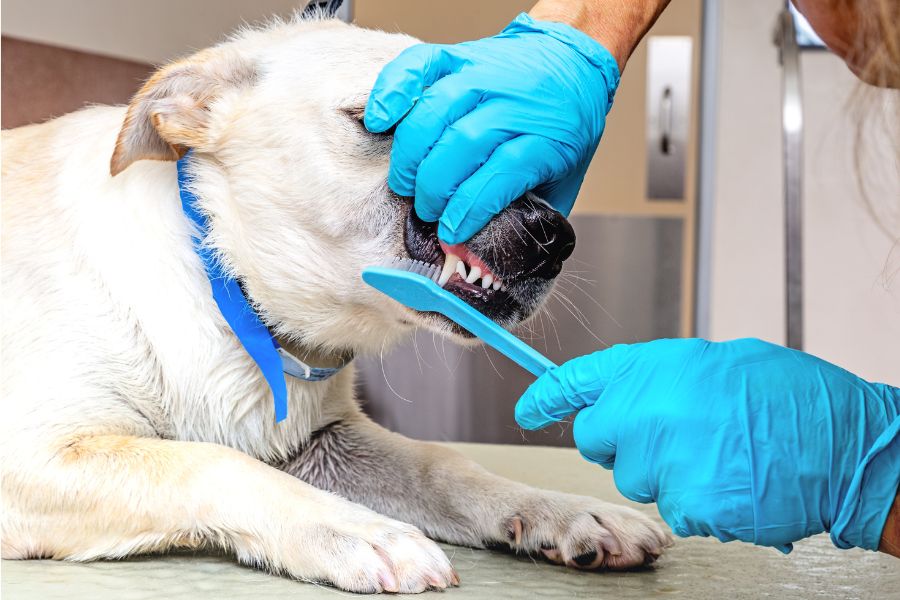
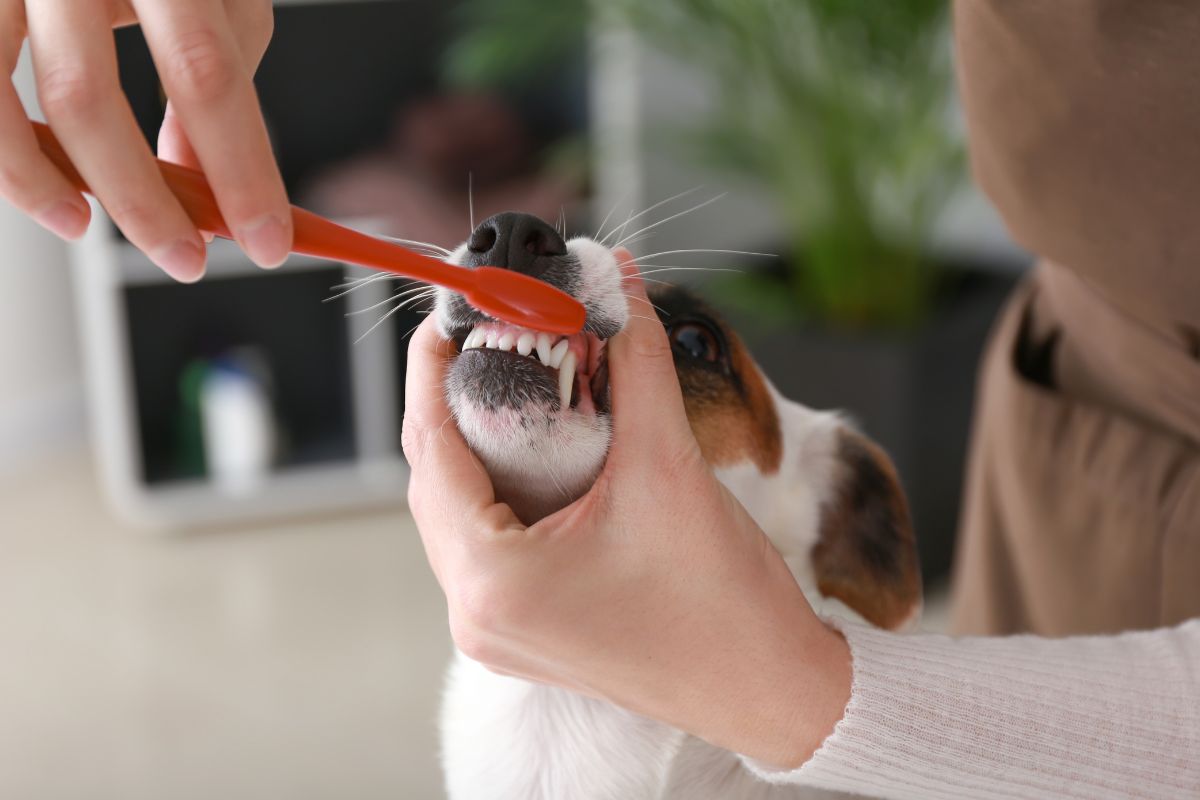
It’s never too late to improve your pet’s dental care routine. A professional cleaning by a pet dentist in Seminole can remove plaque, treat infections, and even prevent tooth loss. Beyond that, vets provide guidance on home dental care, including pet-safe toothbrushes, dental chews, and oral rinses.
Regular dental checkups—usually once a year—can dramatically improve your pet’s quality of life. Many pets that suffer from dental issues begin acting younger and more energetic once the pain is resolved.
Prevention: Your Pet’s Best Friend
The good news? Dental disease is almost entirely preventable. Here’s what you can do:
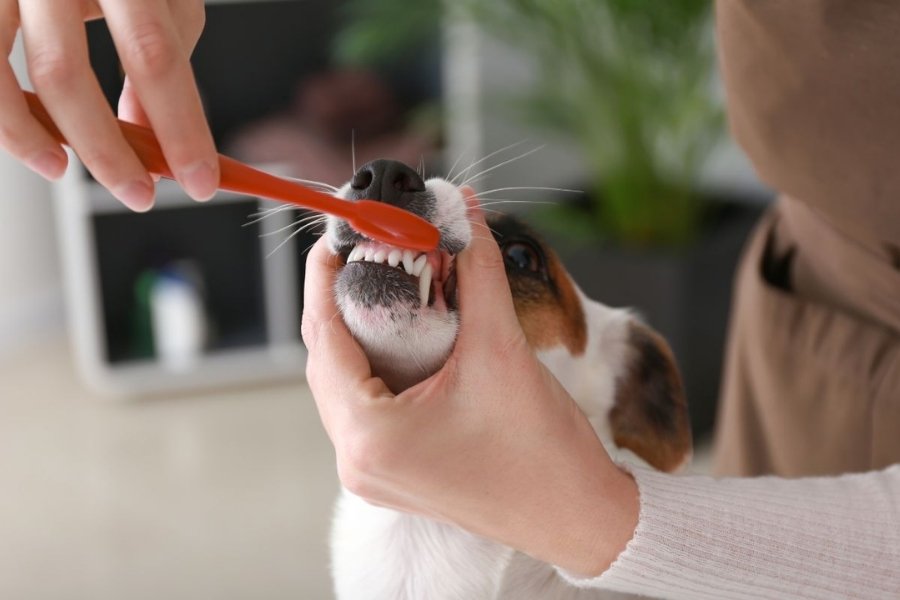
- Brush their teeth daily. Use vet-approved toothpaste only.
- Schedule annual dental exams. Early detection is key.
- Provide dental treats and toys. These can reduce plaque naturally.
- Watch for warning signs. Bad breath, swollen gums, and changes in eating habits deserve attention.
By making dental care a priority, you’re not just protecting their smile—you’re extending their life.
FAQs
1. How often should my pet see a pet dentist in Seminole?
Once a year is ideal, but pets prone to dental issues may need more frequent visits.
2. Is anesthesia necessary for pet dental cleanings?
Yes. It allows for a thorough cleaning above and below the gumline without causing stress or pain.
3. Are dental chews effective for dogs and cats?
They help reduce plaque, but they shouldn’t replace brushing or professional cleanings.
4. Can bad teeth affect my pet’s heart?
Absolutely. Oral bacteria can enter the bloodstream and cause heart infections.
5. My pet still eats normally. Does that mean their teeth are fine?
Not necessarily. Pets hide pain well, and dental disease can progress silently.
6. What are the earliest signs of dental issues in pets?
Bad breath, red or swollen gums, and excessive drooling are often early warning signs.
Final Thoughts
Ignoring your pet’s dental health isn’t just a bad idea—it’s a serious risk. What starts as minor plaque buildup can quickly spiral into chronic pain, tooth loss, or organ damage. Fortunately, these issues are largely preventable with routine care and professional help.
If you notice any changes in behavior, appetite, or breath, it’s time to take action. Let a trusted pet dentist evaluate your pet’s oral health and help them live a healthier, happier life.