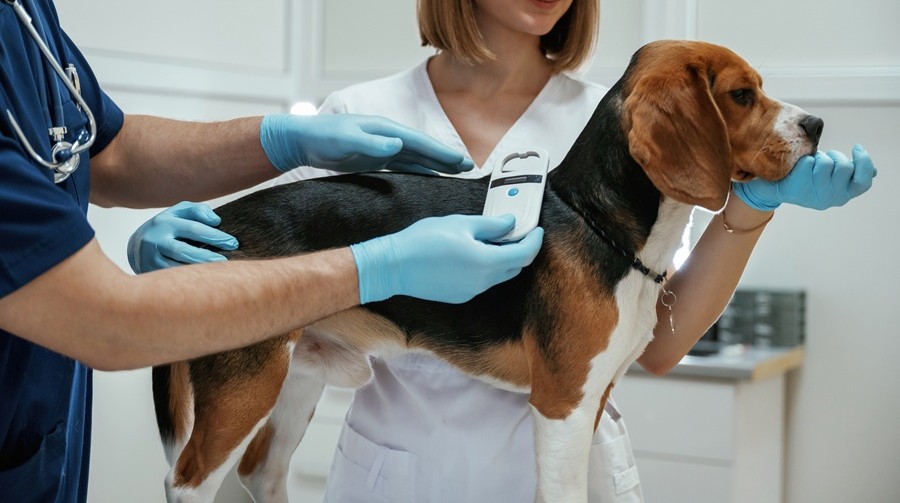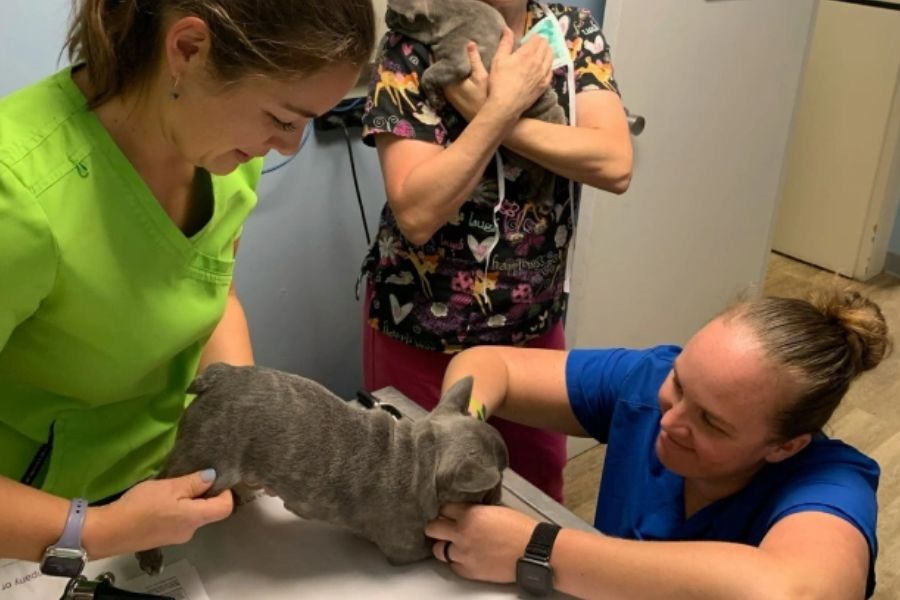

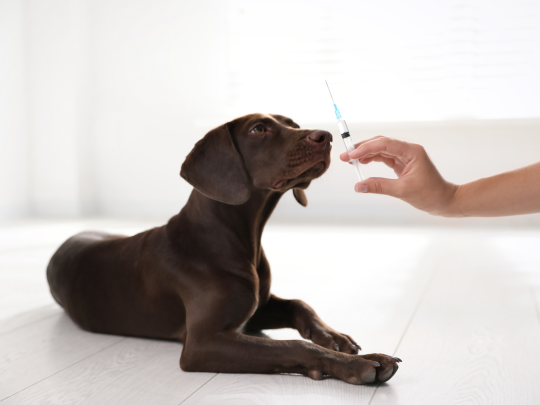
When you think about your pet’s health, you may picture annual check-ups, nutritious food, and daily exercise. Yet, vaccinations remain one of the most powerful ways to safeguard their long-term well-being. At every stage of life, vaccines protect pets from dangerous, often life-threatening diseases. That’s why vets and every trusted veterinary clinic emphasize keeping vaccines up-to-date as part of a comprehensive wellness plan.
Why Vaccinations Are More Than Just Shots
It’s easy to assume vaccinations are just another box to check at the vet’s office. However, they are much more than that. Vaccines train your pet’s immune system to recognize and fight off viruses and bacteria before they cause harm. In other words, vaccinations provide a shield of protection that helps your pet enjoy a longer, healthier life.
Core vs. Non-Core Vaccines: What’s the Difference?
Not all pets need the exact same vaccines, which is why understanding the difference between core and non-core vaccines is important.
- Core vaccines protect against diseases that are widespread and often deadly, such as rabies, parvovirus, and distemper.
- Non-core vaccines are recommended based on your pet’s lifestyle and risk factors. For example, dogs who frequent parks may need protection against kennel cough.
A veterinary clinic Seminole will tailor a vaccination plan to your pet’s specific needs.
The Role Vaccinations Play in Preventative Care
Vaccines are not just about disease prevention—they are about peace of mind. Pairing vaccinations with regular wellness exams means veterinarians can catch potential issues early. This combination of proactive care keeps pets healthier and reduces the risk of costly emergency visits down the road.
Timing Matters: Puppy, Kitten, and Adult Schedules
Just like children, young pets require a series of vaccines to build strong immunity. Puppies and kittens typically begin vaccinations at six to eight weeks of age, with boosters every few weeks until they are fully protected. Adult pets then receive regular boosters to maintain immunity. Skipping or delaying vaccines can leave your pet vulnerable during critical stages.
How Vaccines Support Community Health
Vaccinating your pet doesn’t just protect them—it protects every animal (and even humans) they come into contact with. Diseases like rabies, which can spread to people, highlight why community-wide vaccination programs are so vital. By staying consistent with your pet’s shots, you contribute to a healthier, safer environment for all.
What to Expect After Vaccination
Some pet parents worry about side effects, but most pets tolerate vaccines well. Mild fatigue, slight soreness, or a small lump at the injection site are normal and temporary. Severe reactions are rare, and vets in Seminole are trained to handle them quickly if they occur. Always monitor your pet after vaccinations and call your veterinarian with any concerns.
Keeping Wellness Plans on Track
Vaccinations are just one piece of the bigger puzzle. A true wellness plan includes annual exams, dental care, parasite prevention, balanced nutrition, and regular exercise. By working with a veterinary clinic, you can create a personalized plan that supports every stage of your pet’s life—from playful puppy days to their golden senior years.
FAQs
Q1. Why are vaccinations important for pets?
Ans. They protect pets from serious, sometimes fatal diseases while strengthening their immune systems.
Q2. How often should my pet get vaccinated?
Ans. Puppies and kittens need a series of shots, while adult pets typically need boosters annually or every few years.
Q3. Are vaccines safe for all pets?
Ans. Yes, though some may experience mild side effects. Vets Seminole will evaluate your pet’s health before administering vaccines.
Q4. Can indoor pets skip vaccinations?
Ans. No. Even indoor pets are at risk from diseases spread through the air, insects, or unexpected encounters with other animals.
Q5. What happens if my pet misses a vaccine?
Ans. They may become vulnerable to diseases. Your veterinarian will guide you on catching up safely.
Q6. Do vaccines cost a lot?
Ans. Compared to the expense of treating serious illnesses, vaccines are a cost-effective investment in your pet’s health.
Investing in Health, One Vaccine at a Time
Your pet depends on you to make the right health choices. Vaccinations may only take a few minutes at the vet’s office, but their impact lasts a lifetime. With guidance from Seminole vets and trusted care at a veterinary clinic in Seminole, you can rest easy knowing you’re protecting your furry family member from preventable threats while supporting their overall wellness.