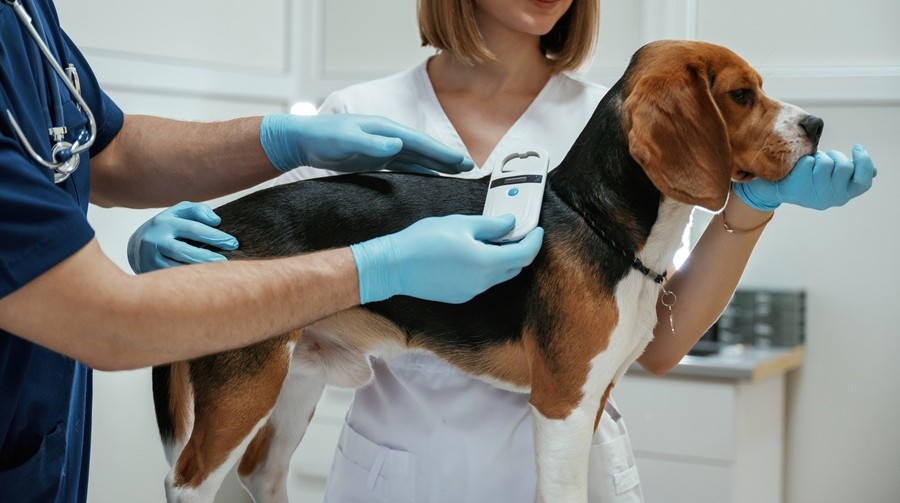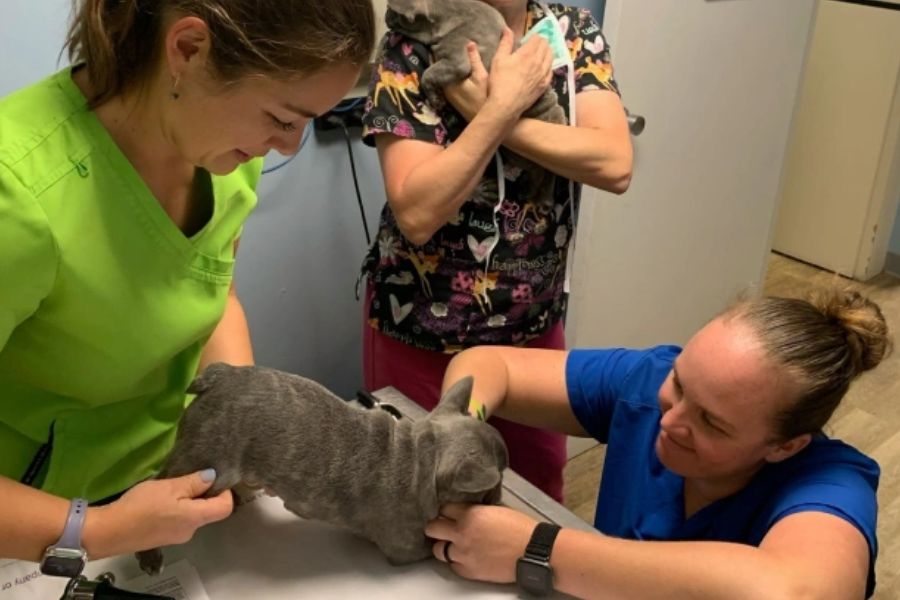


Your pet cannot tell you when something feels wrong, so small changes can sometimes go unnoticed until a problem becomes harder to manage. Pet preventive care helps you stay ahead of potential health concerns through routine veterinary visits, good nutrition, dental care, parasite protection, exercise, and daily observation. At Oakhurst Veterinary Hospital in Seminole, FL, preventive care is an important part of helping pets stay active and comfortable throughout their lives. You do not need to make complicated changes to support your pet’s health. Simple habits, combined with regular veterinary guidance, can make a meaningful difference. This guide covers practical ways to protect your pet’s health and recognize problems before they become more serious.
What Is Pet Preventive Care and Why Does It Matter?
Pet preventive care focuses on maintaining your pet’s health and identifying potential problems early, before they become more difficult to manage. Regular veterinary examinations, appropriate testing, dental care, nutrition, exercise, and monitoring at home all play a role.
Preventive care is valuable because pets often hide signs of discomfort. A dog or cat may continue eating and acting normally even while an early health problem is developing.
Routine care can help your veterinarian:
- Track your pet’s weight and overall condition
- Notice changes from previous visits
- Identify early signs of illness
- Discuss nutrition and lifestyle needs
- Monitor age-related changes
- Recommend appropriate testing when needed
The right preventive plan is not identical for every pet. Your pet’s age, breed, lifestyle, medical history, and daily habits all affect what care may be appropriate.
1. Schedule Routine Veterinary Exams
One of the most important preventive habits is keeping up with veterinary examinations. A physical exam gives your veterinarian an opportunity to check your pet’s overall health and look for subtle changes you may not notice at home.
During an examination, your veterinarian may assess your pet’s:
- Weight and body condition
- Heart and breathing
- Eyes and ears
- Skin and coat
- Mouth and teeth
- Abdomen
- Joints and movement
- General behavior and energy
These visits are also a good time to discuss changes in appetite, drinking, bathroom habits, behavior, or activity.
Do not wait for your pet to appear sick before contacting your veterinarian. Routine examinations can establish a health baseline and make changes easier to recognize later.
2. Feed a Balanced, Appropriate Diet
Good nutrition supports healthy growth, strong muscles, normal digestion, and an appropriate body weight. Your pet’s nutritional needs can change as they grow older or if their lifestyle changes.
Avoid choosing food based only on marketing claims. Ask your veterinarian what type and amount of food best fits your pet’s age, size, activity level, and health needs.
Portion control matters, too. Overfeeding can lead to excess weight, which may place additional stress on joints and other body systems.
Treats should be included in moderation. If your pet receives treats throughout the day, remember to consider them as part of their overall food intake.
3. Keep Your Pet at a Healthy Weight
A healthy weight is one of the simplest ways to support long-term wellness. Both dogs and cats can gain excess weight gradually, making changes difficult to notice until they become significant.
You can monitor your pet by watching for changes in body shape and checking their weight regularly. Your veterinarian can also assess body condition and determine whether your pet is at an appropriate weight.
If your pet needs to lose weight, avoid putting them on a strict diet without professional guidance. Sudden or poorly planned food restriction may not provide the nutrients they need.
A gradual plan that combines appropriate portions, activity, and regular progress checks is usually easier to maintain.
4. Make Dental Care Part of the Routine
Dental problems are common in pets and can affect comfort, eating, and overall health. Bad breath, red gums, drooling, difficulty chewing, or changes in eating habits may indicate a dental concern.
Watch for:
- Persistent bad breath
- Red or swollen gums
- Visible buildup on teeth
- Dropping food while eating
- Chewing more slowly
- Pawing at the mouth
- Avoiding hard food
- Loose or damaged teeth
Regular veterinary dental evaluations can help identify problems that are difficult to see at home. Your veterinarian can also recommend an appropriate home dental routine based on your pet’s needs.
Starting good dental habits early can make them easier for both you and your pet.
5. Encourage Daily Exercise and Mental Stimulation
Exercise helps pets maintain healthy muscles, joints, weight, and energy levels. Mental stimulation is also important, especially for pets that spend much of their time indoors.
The right activity depends on your pet’s age, breed, fitness, and health. A young, active dog may need longer walks and play sessions, while an older pet may benefit from shorter, gentler activity.
Try activities such as:
- Walks appropriate for your pet’s fitness level
- Interactive toys
- Food puzzles
- Short training sessions
- Gentle games
- Supervised exploration
Watch for signs of pain or unusual fatigue. A pet that suddenly stops wanting to walk, play, or climb stairs may need a veterinary examination.
6. Pay Attention to Changes at Home
You spend more time with your pet than anyone else, which makes you an important part of their preventive care. Small changes can sometimes be early signs of a health problem.
Keep an eye on:
- Appetite and water intake
- Urination and bowel movements
- Sleep patterns
- Activity level
- Weight
- Grooming habits
- Breathing
- Behavior and interaction
For example, a cat that suddenly stops jumping onto a favorite chair may simply seem less playful. However, the change could also reflect pain or reduced mobility.
When you notice something unusual, write down when it started and whether it is getting better or worse. This information can help your veterinarian understand the change.
7. Protect Your Pet From Common Household Hazards
Preventive care also means reducing avoidable risks at home. Pets are naturally curious, and dogs and cats may chew or swallow things that can cause serious problems.
Keep medications, cleaning products, chemicals, small objects, and potentially harmful foods out of reach. Secure trash cans and supervise pets around toys or objects that could be swallowed.
Puppies and kittens need extra supervision because they explore their surroundings with their mouths. Older pets may also need changes to their environment if vision, hearing, balance, or mobility becomes limited.
A few minutes spent pet-proofing your home can prevent an unexpected veterinary visit.
8. Stay Alert to Parasite Concerns
Parasites can affect your pet’s comfort and health. Fleas, ticks, and intestinal parasites may not always be obvious, particularly during the early stages.
Your veterinarian can help you understand which parasite concerns are relevant to your pet based on lifestyle and local conditions. Outdoor activity, contact with other animals, and travel can all affect exposure risk.
Contact your veterinarian if you notice unusual scratching, skin irritation, changes in stool, weight loss, or other signs that could indicate a parasite problem.
Do not assume that a product suitable for one pet is automatically appropriate for another. Dogs and cats can have different safety needs.
9. Consider Age-Appropriate Health Monitoring
Your pet’s health needs change over time. Puppies and kittens need support during growth, adult pets benefit from ongoing wellness monitoring, and senior pets may need closer observation for age-related changes.
As pets grow older, watch for:
- Changes in appetite or weight
- Reduced activity
- Stiffness
- Changes in drinking or urination
- Confusion or unusual behavior
- Changes in hearing or vision
- Difficulty getting up or moving around
Your veterinarian can help adjust your pet’s preventive care plan as these needs change.
For example, a senior dog that becomes less interested in long walks may simply be slowing down, but it could also have pain or another health concern. A veterinary examination can help determine the difference.
10. Know When a Preventive Visit Becomes Urgent
Preventive care is designed to keep your pet healthy, but some symptoms should not wait for a routine appointment. Sudden or severe changes may require prompt veterinary attention.
Seek veterinary care promptly if your pet develops:
- Repeated vomiting
- Severe or persistent diarrhea
- Difficulty breathing
- Collapse or extreme weakness
- Significant bleeding
- Severe pain
- A swollen or painful abdomen
- Difficulty urinating
- Sudden inability to walk normally
- Suspected poisoning or swallowed object
The earlier you respond to a serious change, the sooner your veterinarian can determine what is happening.
What Can You Do to Build a Better Preventive Care Routine?
You do not have to change everything at once. Start with a few consistent habits and build from there.
A simple routine can include:
- Keep regular veterinary appointments.
- Measure food portions instead of guessing.
- Monitor weight and body condition.
- Make dental care part of daily life.
- Provide suitable exercise and mental stimulation.
- Watch for changes in behavior or bathroom habits.
- Keep household hazards out of reach.
- Ask your veterinarian about parasite risks and age-appropriate monitoring.
Keeping a basic record of your pet’s weight, appetite, medications, and noticeable changes can also make veterinary visits more productive.
Conclusion
Good pet preventive care is built around simple habits that protect your pet’s health over time. Routine veterinary exams, proper nutrition, a healthy weight, dental care, exercise, home monitoring, and a safe environment can all help you catch concerns earlier. Your pet’s needs will also change with age, lifestyle, and health history, so preventive care should be adjusted when needed. If you have questions about your pet’s health or notice a change that concerns you, Oakhurst Veterinary Hospital in Seminole, FL can help you decide what care your pet needs. Staying proactive today can help your companion enjoy a healthier, more comfortable life for years to come.
FAQs
Q1: What does preventive care for pets include?
A: Preventive care includes routine veterinary exams, nutrition guidance, weight management, dental care, exercise, parasite monitoring, and watching for changes at home. Your veterinarian can tailor the plan to your pet’s age, lifestyle, and health history.
Q2: How often should my pet have a wellness exam?
A: The appropriate schedule depends on your pet’s age, health, and individual needs. Ask your veterinarian how often your pet should be examined rather than waiting until signs of illness appear.
Q3: What are the most important preventive care habits for dogs and cats?
A: Regular veterinary visits, proper nutrition, healthy weight management, dental care, exercise, safe living conditions, and daily observation are key habits. Consistency is more important than trying to make many changes at once.
Q4: Can preventive care help detect health problems early?
A: Yes. Routine examinations and appropriate testing can help identify changes before they become obvious at home. Early attention may allow some conditions to be managed sooner.
Q5: When should I call a vet instead of waiting for a routine visit?
A: Contact a veterinarian promptly for severe vomiting or diarrhea, breathing difficulty, collapse, severe pain, significant bleeding, difficulty urinating, or suspected poisoning or swallowed objects. Sudden major changes in your pet’s behavior or condition also deserve attention.