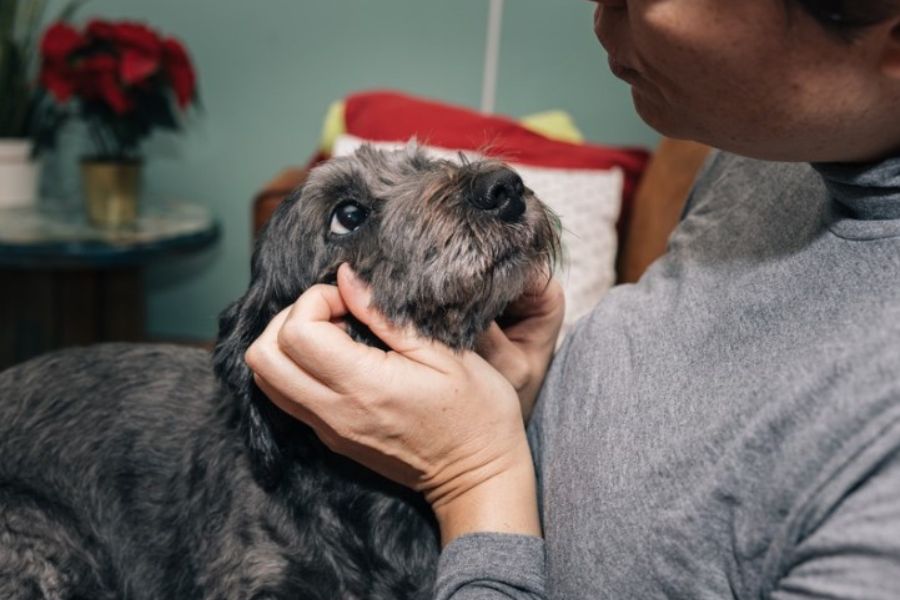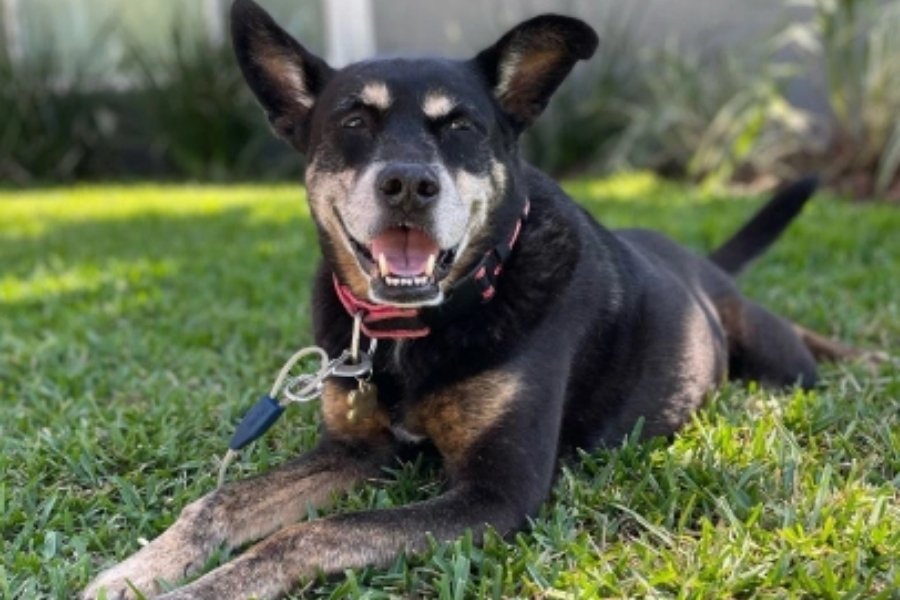


As pets get older, aches, stiffness, and mobility issues can affect their daily comfort. The good news is that there are many effective and gentle ways to support natural pain relief for senior dogs and cats. This guide covers safe arthritis treatments for elderly dogs, proven pain management for older pets, and easy joint-care solutions you can start today. You’ll also learn how to spot early signs of pain, explore natural and medical options, and understand when your aging pet may need veterinary help.
Understanding Pain in Senior Pets
Older pets often hide discomfort, making it harder for owners to spot the early signs. Joint degeneration, arthritis, previous injuries, and age-related muscle loss are the most common causes of senior dog pain and cat joint pain.
Common Signs of Pain in Older Pets
Look for these early indicators of discomfort:
- Limping or stiffness after rest
- Slower movements or hesitation to jump
- Difficulty climbing stairs or getting into the car
- Irritability or withdrawing from family
- Changes in appetite or sleep patterns
- Excessive licking of joints
Pets rarely cry out in pain, so subtle changes in daily behavior often signal that pain treatments for old pets may be needed.
Natural Pain Relief for Senior Dogs and Cats
Many pet parents prefer natural options before exploring medication. When used correctly, these remedies help support comfort, mobility, and joint flexibility.
Omega-3 Fatty Acids for Joint Support
Fish-oil-based omega-3 supplements reduce inflammation and support cartilage health. They’re widely recommended for arthritis, joint stiffness, and inflammatory conditions.
Glucosamine and Chondroitin
These supplements help cushion joints, improve mobility, and slow cartilage breakdown. They work best when taken consistently over time.
Turmeric (Curcumin)
This natural anti-inflammatory compound can support comfort in senior pets. Only use veterinarian-approved formulations and correct dosing.
CBD Oil and Hemp-Based Products
CBD may help reduce inflammation and support natural pain relief for senior dogs and cats. Always choose products specifically formulated for pets.
Gentle Home Therapies
Some simple, non-invasive home treatments include:
- Warm compresses on sore joints
- Supportive orthopedic bedding
- Non-slip flooring or area rugs
- Slow, controlled walks for mobility
- Elevated food bowls to reduce neck strain
Safe Arthritis Treatments for Elderly Dogs and Senior Cats
Arthritis is one of the most common age-related issues in pets. Fortunately, modern veterinary medicine offers several safe options.
Non-Steroidal Anti-Inflammatory Drugs (NSAIDs)
Veterinary-prescribed NSAIDs help reduce pain and inflammation effectively. Never give human pain relievers—they can be toxic to pets.
Joint Injections and Viscosupplementation
These treatments help lubricate joints, reduce pain, and support smooth movement. They’re beneficial for advanced arthritis.
Laser Therapy
Cold-laser therapy increases circulation, reduces inflammation, and speeds tissue healing. Many pets show noticeable improvement after a few sessions.
Acupuncture
Acupuncture can relieve chronic pain, stimulate nerves, and improve flexibility—ideal for long-term pain management for older pets.
Weight Management
Extra weight puts additional stress on aging joints. A healthy weight dramatically reduces senior dog pain and improves mobility in older cats.
Veterinary Treatments for Older Pets
Beyond natural remedies, veterinarians offer evidence-based solutions that keep pets active and comfortable as they age.
Prescription Pain Medications
Depending on your pet’s condition, your vet may recommend:
- Gabapentin for nerve-related pain
- Amantadine for chronic arthritis
- Tramadol for moderate pain
- NSAIDs for inflammation
A combination of medications is often the most effective approach.
Physical Rehabilitation Therapy
Rehab programs may include underwater treadmill therapy, stretching, massage, and strength-building exercises. These techniques reduce pain and increase mobility.
Mobility Aids for Senior Pets
Tools like ramps, harnesses, joint-supportive braces, and orthopedic beds help elderly pets move safely and comfortably.
Customized Pain Management Plans
Every senior pet has unique needs. Veterinarians create tailored care plans using a mix of natural therapies, medications, supplements, and lifestyle modifications.
When to Seek Veterinary Care for Senior Pet Pain
Aging pets should never suffer in silence. Seek veterinary care if your pet shows:
- Sudden or severe limping
- Difficulty standing or walking
- Noticeable muscle weakness
- Crying, whining, or visible distress
- Loss of appetite
- Reduced mobility that worsens over time
Pain relief for senior pets requires a mix of natural remedies, lifestyle adjustments, and veterinary treatment. Whether your companion is stiff from arthritis or struggling with age-related mobility issues, the right care plan can restore comfort and joy in their golden years.
If you are conveniently located in Seminole, FL, and searching for the best Senior Pet Care near me, Oakhurst Veterinary Hospital is the right choice for compassionate, advanced, and reliable pet care.
FAQs
Q1: What is the best natural pain relief for senior dogs?
Ans: Omega-3 supplements, glucosamine, turmeric, and gentle home therapies like warm compresses are among the best natural pain relief options for senior dogs.
Q2: How can I tell if my elderly cat is in joint pain?
Ans: Watch for stiffness, reduced jumping, hiding, irritability, and changes in appetite or grooming habits—these are common early signs of cat joint pain.
Q3: Are arthritis medications safe for older pets?
Ans: Yes, veterinary-approved arthritis medications are safe when monitored by a vet. Regular checkups and bloodwork ensure pets tolerate them well.
Q4: What treatments help manage chronic pain in senior pets?
Ans: Laser therapy, acupuncture, weight control, prescription pain medications, and joint supplements are highly effective for long-term pain management.
Q5: When should I take my senior dog to the vet for pain?
Ans: If your dog shows persistent limping, major stiffness, trouble standing, or sudden behavioral changes, schedule a vet visit promptly for a pain evaluation.