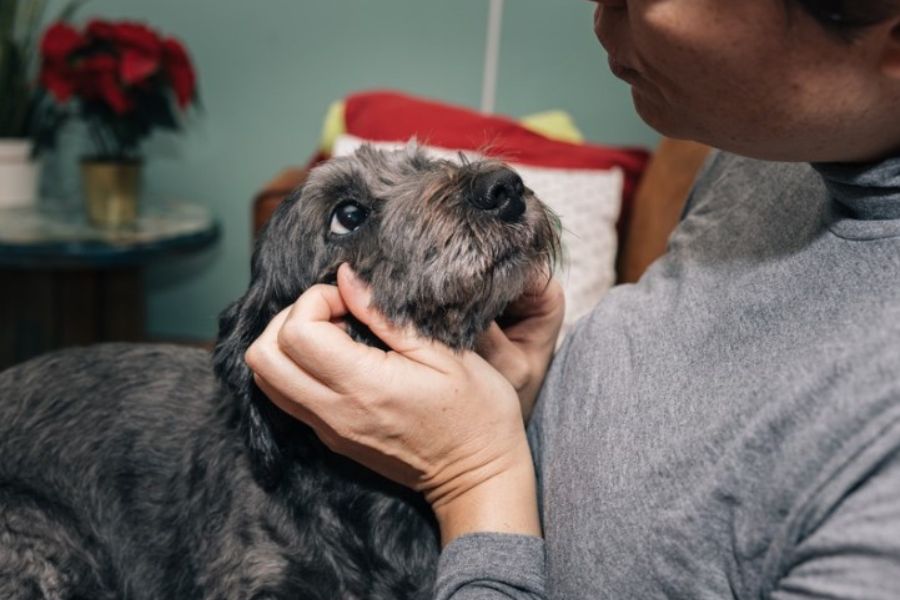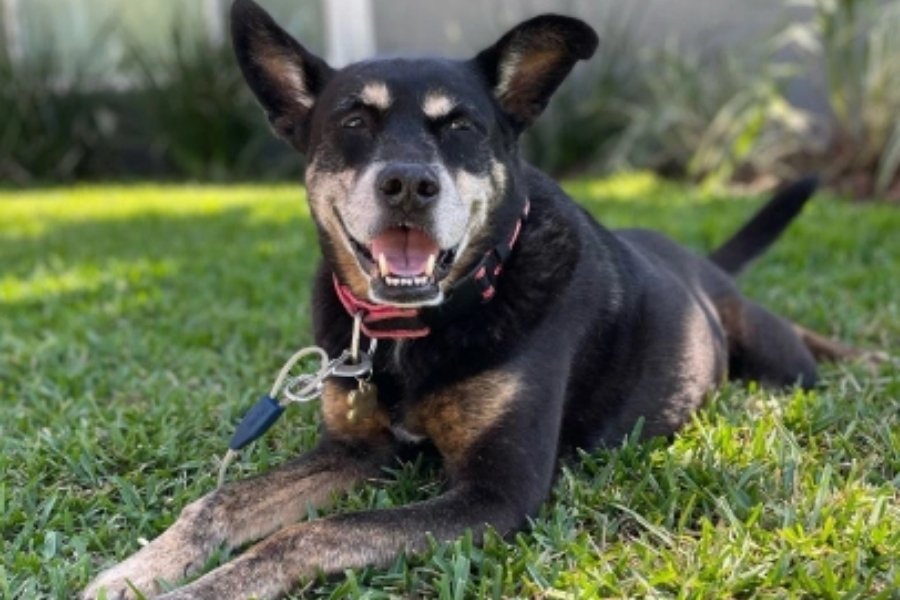


Traveling is exciting, but when your companion has a few gray whiskers and slower steps, the experience needs extra thought. Senior pets thrive on routine, familiar comforts, and careful planning, especially when travel takes them away from home in Seminole. Whether you’re heading out for a short drive to visit family or planning a longer vacation, preparation can make the difference between a stressful trip and a smooth, happy journey.
This guide is designed for local pet parents who want to protect their aging dog or cat’s health while still enjoying time away. We’ll walk through safety considerations, comfort strategies, and a practical packing checklist, all through the lens of preventive veterinary care and thoughtful planning. With the right approach and support from trusted animal clinics, you can travel confidently, knowing your senior pet’s needs are fully covered.
What This Means for Your Pet’s Health
As pets age, their bodies handle stress differently. Travel introduces unfamiliar sounds, movement, schedules, and environments, which can affect joints, digestion, heart health, and anxiety levels. That’s why planning isn’t just convenient, it’s a form of preventive medicine. Before any trip, a wellness visit helps assess whether your pet is fit to travel. Conditions like arthritis, kidney disease, or heart concerns may require medication adjustments or additional precautions. This is where senior pet care becomes especially important. A personalized assessment allows your veterinarian to tailor advice specifically to your pet’s age, mobility, and medical history, reducing risks before they arise. Travel-ready pets are healthier, calmer, and far more comfortable on the road or in the air.
Key Benefits for Local Pet Owners
Taking extra steps before traveling with an older pet offers clear advantages for both you and your companion:
- Improved comfort: Proper bedding, temperature control, and pain management reduce stiffness and fatigue.
- Lower stress levels: Familiar items and routines help prevent anxiety-related behaviors.
- Early problem detection: Pre-travel exams at animal hospitals can catch issues before they worsen.
- Peace of mind: Knowing your pet’s needs are covered allows you to enjoy your trip.
- Continuity of care: Clear medical records make it easier for veterinary hospitals or animal clinics to help if needed while you’re away.
Senior pets don’t need to stop exploring life; they just need more thoughtful support.
Practical Tips You Can Use at Home
Preparation starts well before departure day. Here are practical, vet-approved tips to make travel easier on your aging pet:
1. Schedule a pre-trip checkup
Visit your trusted veterinarian hospital to review medications, mobility concerns, and vaccination status. Ask about motion sickness solutions or calming aids if your pet is anxious.
2. Update identification
Make sure collars, ID tags, and microchip information are current. This is essential if you’re visiting unfamiliar places.
3. Pack smart for comfort
Bring orthopedic bedding, favorite blankets, and familiar toys. These items provide joint support and emotional reassurance.
4. Plan frequent breaks
Older pets need more bathroom and stretch breaks. Short walks help prevent stiffness and improve circulation.
5. Maintain routines
Stick to regular feeding and medication schedules as closely as possible. Consistency supports digestion and overall stability.
6. Research care options at your destination
Know where nearby animal hospitals or animal clinics are located, just in case your pet needs attention away from home.
These small steps can significantly improve your pet’s travel experience.
How Our Veterinary Team Supports the Community
At Oakhurst Veterinary Hospital, supporting senior pets is about more than medical treatment; it’s about partnership. Our experienced veterinarians understand the unique challenges aging pets face and work closely with families to plan safe, realistic travel strategies.
From mobility assessments to medication planning, our team provides guidance rooted in compassion and clinical expertise. We collaborate with local animal clinics and animal hospitals when continuity of care is needed, ensuring your pet is never without support. For families seeking reliable senior pet care in Seminole, our approach focuses on comfort, prevention, and long-term wellness before, during, and after travel. If your pet has chronic conditions or special needs, we tailor travel recommendations to minimize stress and maximize quality of life.
Traveling with a senior pet doesn’t have to be overwhelming. With thoughtful preparation, clear communication with your veterinary team, and attention to comfort, your aging companion can continue to share adventures with you safely. A proactive approach supported by experienced animal hospitals and veterinarian hospitals helps prevent emergencies and keeps trips enjoyable. If you’re planning an upcoming travel or simply want guidance on caring for an older pet, now is the perfect time to be proactive. Book an appointment to discuss travel readiness and personalized care options with our veterinary team. Thoughtful planning now can make all the difference for your pet’s comfort and health here in Seminole.
Frequently Asked Questions
Q1: How old is considered a “senior” pet?
Ans: Most dogs and cats are considered senior around age seven, though larger breeds may reach senior status earlier. Your veterinarian can help determine where your pet falls based on health and lifestyle.
Q2: Is travel stressful for senior pets?
Ans: Travel can be stressful, but proper preparation greatly reduces anxiety. Familiar items, routine schedules, and veterinary guidance help most senior pets travel comfortably.
Q3: Should senior pets always see a vet before traveling?
Ans: Yes, a pre-travel exam at a veterinarian hospital helps identify risks and ensures medications and preventive care are up to date.
Q4: Are car trips safer than flying for older pets?
Ans: It depends on the pet’s health and temperament. Many senior pets tolerate car travel better, but your veterinarian can advise on the safest option.
Q5: What should I pack for my senior pet?
Ans: Bring medications, medical records, comfortable bedding, familiar food, mobility aids, and contact details for animal clinics at your destination.
Q6: When should I avoid traveling with my senior pet?
Ans: If your pet has unstable medical conditions, severe mobility issues, or a recent illness, your veterinarian may recommend postponing travel for their safety.