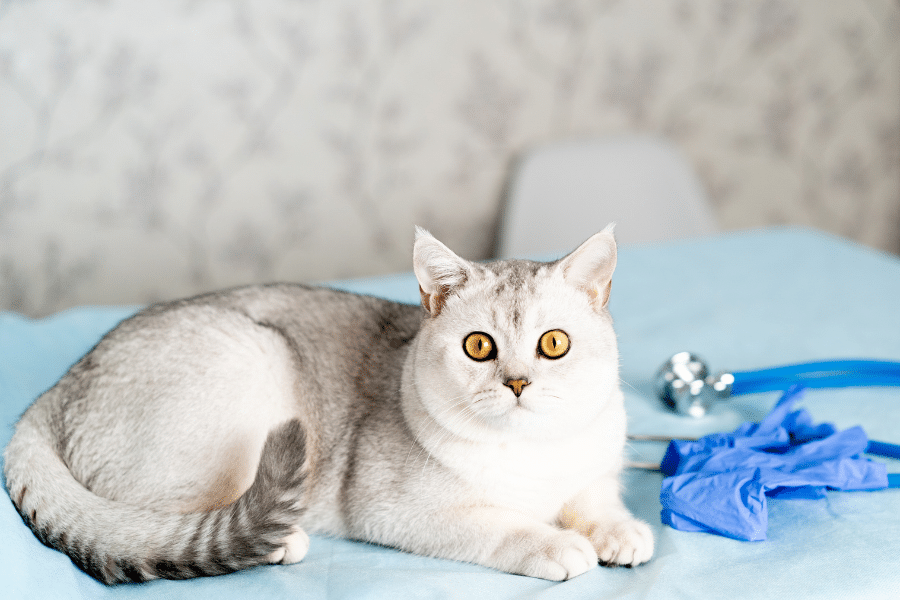


Pets cannot explain when something hurts or feels unusual. Instead, they communicate through changes in appetite, energy, movement, and behavior. While some health concerns can wait for a routine appointment, sudden symptoms may require same-day veterinary attention. Recognizing these changes early can help you make informed decisions about your pet’s health.
Understanding when to seek urgent pet care can also help prevent discomfort from continuing or a manageable condition from becoming more complicated. Whether your dog has suddenly started limping or your cat has stopped eating, knowing what to look for is an important part of responsible pet ownership.
What Is Urgent Pet Care
Urgent pet care addresses sudden illnesses, injuries, and health changes that need prompt veterinary assessment but may not require ongoing hospitalization or specialized treatment.
A veterinarian evaluates your pet’s symptoms, identifies possible causes, and recommends an appropriate treatment plan. Depending on the condition, care may include a physical examination, diagnostic testing, medication, wound care, or follow-up appointments.
Urgent veterinary care can help address concerns such as:
- Sudden vomiting or diarrhea
- Minor cuts, wounds, or swelling
- Limping or difficulty walking
- Ear discomfort or persistent head shaking
- Eye redness, discharge, or irritation
- Sudden changes in appetite
- Unusual tiredness or behavior changes
- Skin irritation, itching, or localized swelling
The appropriate level of care depends on your pet’s symptoms, medical history, and overall condition. Contact a veterinary hospital to discuss what your pet is experiencing and whether a same-day appointment is appropriate.
10 Signs Your Pet May Need Same-Day Veterinary Attention
Some symptoms are easy to overlook, especially when pets continue behaving normally in other ways. Pay attention to sudden or unusual changes.
1. Repeated Vomiting
An isolated episode may have several possible explanations, but repeated vomiting deserves attention. Watch for reduced appetite, weakness, abdominal discomfort, or changes in water intake.
2. Persistent Diarrhea
Diarrhea can result from dietary changes, intestinal irritation, parasites, or other health conditions. Contact your veterinarian if it continues, becomes frequent, or occurs alongside other symptoms.
3. Sudden Limping
A pet that suddenly avoids putting weight on one leg may have an injury, joint problem, or soft tissue strain. Limit strenuous activity and arrange an assessment.
4. Changes in Appetite
A sudden refusal to eat may indicate dental discomfort, digestive problems, pain, or another medical concern. Cats that stop eating deserve particular attention.
5. Unusual Lethargy
If your normally playful dog or active cat becomes unusually quiet, sleeps much more, or avoids interaction, consider scheduling a veterinary evaluation.
6. Eye Problems
Redness, excessive tearing, squinting, or discharge may indicate irritation or an eye condition. Prompt assessment can help protect eye comfort and health.
7. Ear Discomfort
Frequent scratching, head shaking, odor, or discharge may point to an ear infection, inflammation, or another problem.
8. Skin Irritation
Sudden itching, redness, swelling, or persistent licking may result from allergies, parasites, or skin infections.
9. Changes in Urination
Straining, frequent attempts to urinate, accidents indoors, or noticeable changes in urine output should be discussed with a veterinarian promptly. Inability to pass urine requires immediate veterinary guidance.
10. Behavioral Changes
Hiding, growling when touched, restlessness, or avoiding normal activities may indicate discomfort. Changes in behavior can sometimes be an early sign of illness.
What Should You Do Before the Appointment
A little preparation can help your veterinary team understand your pet’s condition more accurately.
Before visiting, consider these steps:
- Call the veterinary hospital and describe the symptoms.
- Note when the problem started and whether it has changed.
- Record changes in eating, drinking, urination, and bowel movements.
- Take photos or short videos of unusual symptoms when possible.
- Bring a list of current medications and relevant medical history.
- Keep your pet calm and avoid strenuous activity.
Do not give human medications or leftover prescriptions unless a veterinarian specifically recommends them. Some common medications can be harmful to pets.
How a Veterinarian Evaluates Urgent Health Concerns
A same-day veterinary appointment generally begins with a discussion of your pet’s symptoms and medical history. The veterinarian then performs a physical examination to assess areas such as the eyes, ears, skin, abdomen, movement, and vital signs.
Depending on the findings, additional diagnostics may be recommended. These can include:
| Diagnostic method | What it may help evaluate |
|---|---|
| Blood testing | Organ function, inflammation, and other health indicators |
| Urine testing | Urinary health and selected metabolic concerns |
| Digital X-rays | Bones, joints, and certain internal structures |
| Ultrasound | Selected abdominal organs and soft tissues |
The veterinarian will explain the findings and discuss suitable treatment options. Some pets may need medication and home monitoring, while others may require additional testing or a referral.
Hypothetical Case Study: Recognizing a Sudden Change
Consider a dog named Max who usually enjoys long walks. One morning, his owner notices that he is limping and reluctant to climb stairs. Rather than assuming the discomfort will disappear, the owner contacts a veterinary hospital.
During the appointment, the veterinarian examines Max’s leg and recommends diagnostic imaging based on the physical findings. The results help guide a treatment plan and activity restrictions.
This example shows why sudden changes in movement deserve attention. Early assessment can help identify the underlying concern and support an appropriate recovery plan.
Supporting Your Pet’s Health With Prompt Veterinary Attention
Recognizing unusual symptoms and seeking timely guidance can make a meaningful difference in your pet’s comfort. Avoid waiting for a routine appointment when a sudden health change needs assessment.
At Oakhurst Veterinary Hospital, pet owners can discuss sudden illnesses and injuries with a veterinary team and learn whether urgent care is appropriate. If your dog or cat develops concerning symptoms and you are looking for a reliable vet near you, then call the veterinary hospital at 727-391-9784 to discuss the next step and same-day appointment availability.
Frequently Asked Questions
1. What symptoms mean my dog may need urgent veterinary care?
Ans: Repeated vomiting, persistent diarrhea, sudden limping, eye irritation, unusual lethargy, and changes in urination may require prompt veterinary assessment. Contact your veterinarian to discuss the symptoms.
2. Can cats receive same-day veterinary care?
Ans: Yes. Cats can develop sudden illnesses or injuries that need prompt assessment. Call your veterinary hospital to explain the symptoms and ask about appointment availability.
3. Should I wait if my pet seems better after showing symptoms?
Ans: Not necessarily. Some conditions can cause symptoms that fluctuate. If your pet experienced a significant or recurring change, contact your veterinarian for guidance.
4. What should I bring to an urgent pet care appointment?
Ans: Bring relevant medical records, a list of medications, and notes about when symptoms started. Photos or videos can also help explain changes that may not occur during the examination.
5. Can a veterinary hospital diagnose my pet during a same-day visit?
Ans: A veterinarian at Oakhurst Veterinary Hospital can perform an examination and recommend diagnostic tests when needed. Some concerns can be assessed during the initial visit, while others may require additional testing or follow-up.