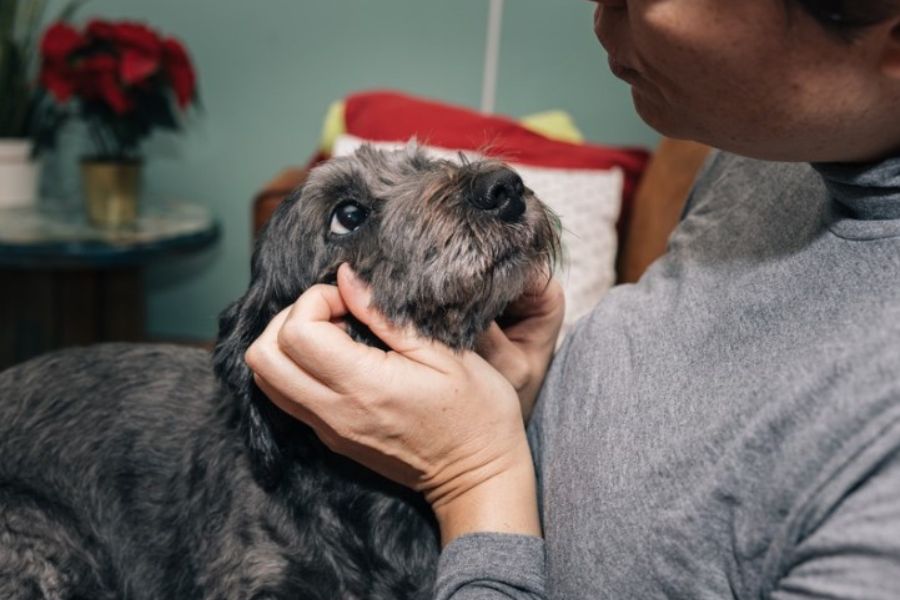

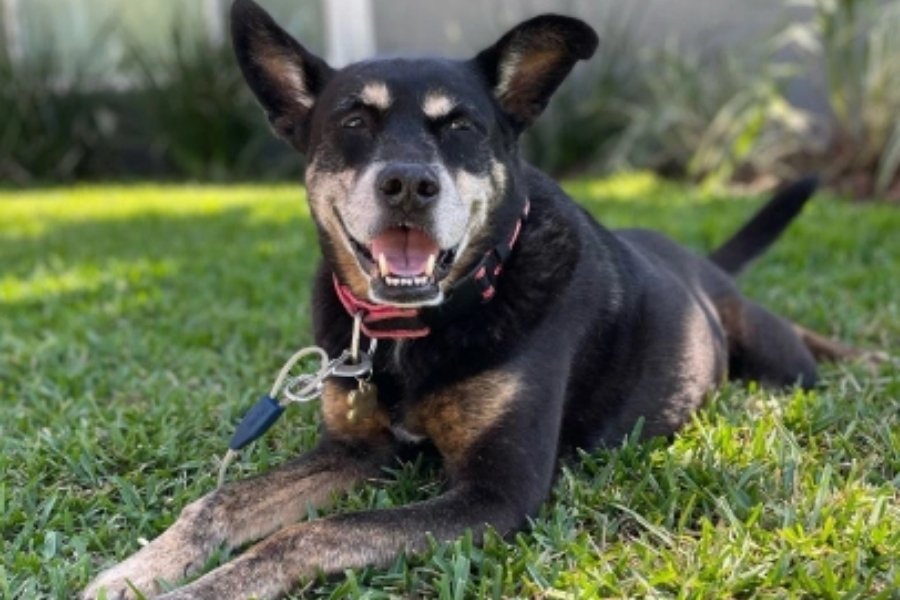
As pets grow older, they become more sensitive to loud sounds like fireworks or thunderstorms. Their hearing may not be as sharp, but ironically, their startle response often increases. For many senior dogs and cats, what used to be background noise in their younger days now triggers anxiety, trembling, or hiding.
Age-related cognitive decline also plays a role. Just like humans, pets can experience confusion and disorientation, especially during overstimulating events. This makes noise-related stress harder to manage without a thoughtful and consistent approach to senior pet care Seminole residents rely on.
Safe Spaces, Calm Faces: Build a Comfort Zone
One of the most effective ways to ease your senior pet’s fear is by creating a safe and quiet space just for them. Choose an interior room away from windows, and soundproof it as much as possible. Soft blankets, their favorite toys, and familiar scents can make a huge difference.
Close the blinds, turn on a fan or white noise machine, and keep the lights low. These simple changes can help muffle the loud sounds outside and reduce visual triggers like lightning flashes.
Most importantly, make this safe zone available before the event begins. Your pet should associate the space with peace, not panic.
Your Presence Matters More Than You Think
Your senior pet finds comfort in your presence, especially during unsettling events. If you know fireworks are coming or a storm is rolling in, try to stay close. Speak in a calm, steady voice, and avoid making sudden movements or showing frustration.
While cuddling helps some pets, others prefer a bit of distance. Pay attention to their body language. Let them come to you when they’re ready. Your energy can either calm or add to their stress, so be their steady rock.
Use Natural Calming Aids Wisely
Many pet owners turn to natural remedies to help calm senior pets during noisy nights. Options like CBD oil (vet-approved only), pheromone diffusers, calming collars, or treats with chamomile and melatonin can provide noticeable relief.
However, always consult your vet before introducing anything new, especially for aging pets who may already be on medication. Your vet can help you find the safest and most effective calming products based on your pet’s health history.
Incorporating these aids as part of your senior pet care Seminole plan ensures their comfort without compromising health.
Desensitize with Time and Love
If your pet experiences intense anxiety during storms or fireworks, desensitization training can help over time. Start by playing thunder or firework sounds at a low volume during quiet moments. Pair it with treats, playtime, or affection.
Gradually increase the volume across sessions—but never push too fast. The goal is to help your pet associate these noises with safety and calm rather than fear.
This method takes patience, but it can reduce their stress significantly in the long run.
Preparation is Peace of Mind
Fourth of July, New Year’s Eve, or summer storms—these events aren’t surprises, so prepare ahead of time. Refill calming aids, reinforce the safe space, and schedule extra cuddle time. You can also update your microchip and ID tag info just in case your pet bolts out in panic.
Keep a checklist of go-to items: their favorite blanket, vet-recommended supplements, calming music playlists, and your vet’s emergency contact. Preparedness builds confidence—for both of you.
Frequently Asked Questions
1. Why are older pets more afraid of loud noises?
As pets age, they may experience hearing loss, cognitive decline, and increased anxiety, which can make them more sensitive to fireworks or storms.
2. Should I give my senior pet medication for anxiety?
Only under veterinary guidance. Some pets benefit from anti-anxiety medication or calming supplements, but these must be approved by your vet, especially for seniors with other health conditions.
3. Can I leave my senior pet alone during fireworks or storms?
It’s best not to. Your presence offers reassurance. If you must be away, make sure they have a safe space, white noise, and possibly a pet sitter or family member to keep them company.
4. How can I tell if my pet is too stressed?
Look for signs like panting, pacing, hiding, whining, or shaking. Some pets may even lose control of their bladder. These behaviors indicate that they need immediate comfort or help.
5. Are there long-term solutions for noise phobia?
Yes, desensitization and counter-conditioning techniques can help reduce long-term fear. It takes time, but results can be lasting and effective with consistency.
6. When should I consult a vet for anxiety in senior pets?
If your pet’s anxiety interferes with eating, sleeping, or daily behavior, or if they show physical symptoms, contact a vet with experience in senior pet care Seminole residents trust.
Final Thoughts
Your senior pet has spent a lifetime being your loyal companion. During their vulnerable years, they need your understanding and care more than ever. Fireworks and storms are temporary, but the trust you build through gentle routines and thoughtful preparation leaves a lasting impact.
Whether it’s cozying up during a storm or preemptively setting up their sanctuary, your love provides the reassurance they crave in their golden years.